

Can a Push Mower Get Rained on? What Actually Happens and How to Protect It
Can a push mower get rained on without damage? The short answer is yes, but only if the rain is light and brief. Light rain, usually less than 0.Rain falling at 5 inches per hour usually won’t hurt your mower.
Act fast to dry it out quickly. That helps avoid damage. Heavy rain or sitting in water for long, though, can cause serious problems.
Your first move after rain exposure is to run the mower for at least five minutes. This warms up the engine and helps evaporate water inside key parts.
Then, leave the mower in direct sunlight for 3 to 4 hours. Let it dry fully before storing or using it again.
Key Takeaways
- Light rain usually won’t damage a push mower if dried quickly.
- Run the mower at least five minutes after rain exposure to dry the engine.
- Leave the mower in direct sunlight for 3-4 hours to dry completely.
- Heavy rain or flooding can cause long-term damage to mower parts.
- Gas and electric mowers handle wet conditions differently, affecting care steps.
- Use UL-listed outdoor extension cords for electric mowers around water.
Can a Push Mower Get Rained on Without Damage?
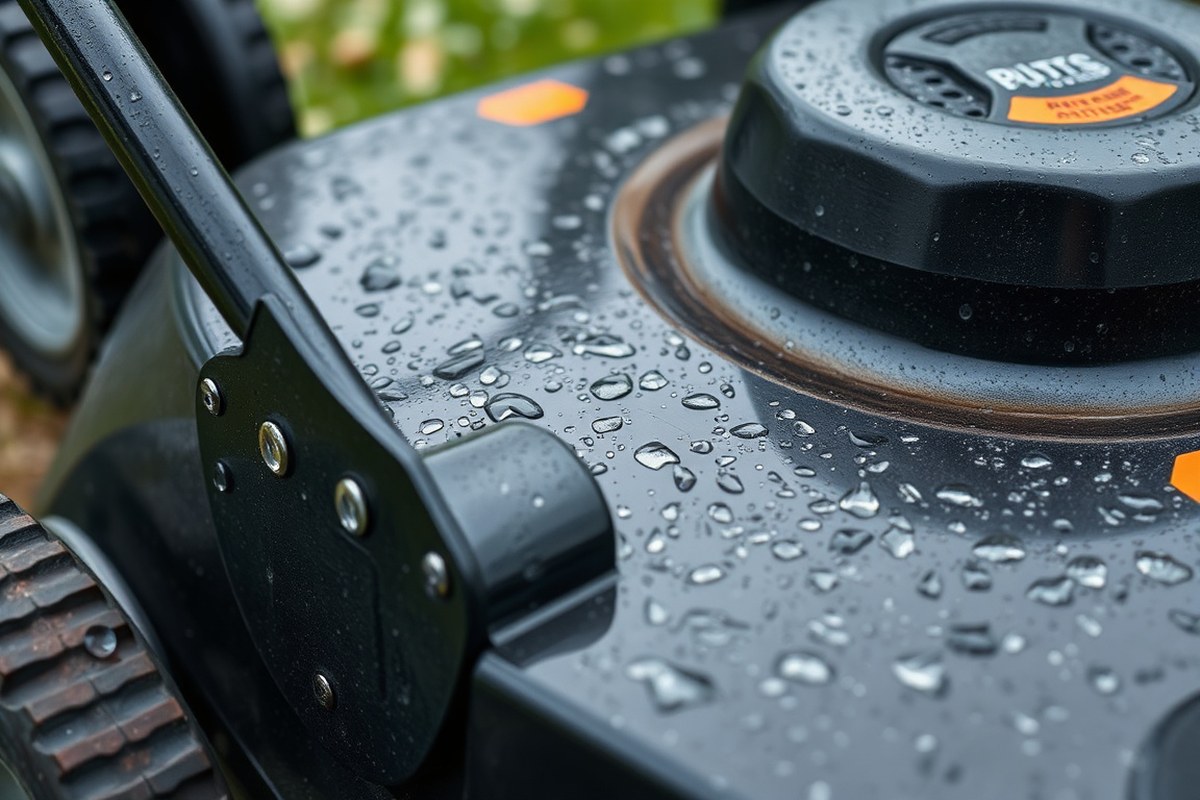
You can leave a push mower out in light rain without immediate damage. Light rain means less than 0.5 inches per hour, which usually won’t harm your mower. Leaving it out in heavy rain raises rust risk.
Long rain exposure speeds corrosion. Avoid storing it wet for hours.
Most push mowers handle brief moisture thanks to weather-resistant parts. Water can sneak into the mower’s engine and blades. This happens if the rain won’t stop.
These parts are sensitive to moisture. That’s why it’s not safe to leave your mower outside during heavy or prolonged rain.
Storing your mower under cover is the safest way to avoid water damage. Use a waterproof cover made for lawn mowers when storing outside. It helps keep moisture away.
Covers protect against rain damage. This cover should fit well and be removed before use to prevent trapping moisture underneath.
Rain exposure tolerance also depends on your mower’s type and age. Newer models often have better seals and materials that resist water damage. Older or gas mowers need more care.
Their engines and metal parts rust easily. You should check them often during wet weather.
Moisture can cause engine problems, rust, and electrical failures over time. That’s why leaving a mower wet and unattended isn’t a good idea. Rain on your mower means you should clean and dry it fast.
This helps stop damage. Waiting too long causes rust and wear.
In short, occasional light rain won’t usually damage a push mower. But avoid leaving it out in heavy rain or wet conditions for hours. Using proper storage and covers costs less than repairing rusted parts or engine issues later on.
How Rain Affects Different Push Mower Parts and Systems

Rain can harm many parts of your push mower. The engine, spark plug, air filter, fuel tank, and wires are most at risk. Water can cause big problems inside these parts.
These mower parts don’t work well when wet. Water can cause your mower to break or run badly.
Keep them dry to avoid trouble. Protecting these parts helps keep your mower reliable and working well.
Engine and Spark Plug
The engine and spark plug are the most vulnerable to rain. Water in the spark plug can stop the mower from starting or cause it to sputter. Rain inside the engine can cause rust or harm parts.
This damage can lead to expensive repairs down the road. Protect the engine from water to save money.
Gas mowers need a dry spark plug to light fuel. After rain, take out the spark plug and dry it well. Replace it if moisture or damage stops proper ignition.
Air Filter and Carburetor
The air filter traps dust and dirt. Rain can soak it, reducing airflow into the engine. A wet air filter chokes the engine and causes stalling or rough running.
You can replace or dry the filter. Foam filters dry faster, but paper filters usually need replacement.
The carburetor mixes fuel and air, so water inside can block this process. Rainwater in the carburetor makes the engine hard to start. It also causes the mower to run poorly or stop working.
Keep the carburetor dry at all costs. Draining and cleaning the carburetor is necessary if you notice rain exposure or performance issues.
Fuel Tank and Fuel System
Water mixes with gasoline in the tank. This blend makes the engine sputter or stop running. Avoid any water entering the fuel tank during rain.
Even small amounts of water affect combustion and mower performance. Check the fuel tank for rainwater contamination. Draining and refilling with fresh gasoline is the safest fix.
Gas mowers are more likely to suffer from water in fuel than electric models. Check that your fuel cap seals tightly every time.
Don’t leave your mower outside during rainstorms or wet weather. Doing these things helps keep water out of fuel.
Electrical Wiring and Connections
Push mowers have wiring and connections vulnerable to rain. Water causes electrical shorts or corrosion, especially on exposed terminals and battery contacts.
This problem is more common in electric or battery-powered mowers. But gas mowers have wires for ignition and safety switches.
Keep connectors dry and inspect them after getting wet. Clean your mower’s wiring with electrical contact cleaner after rain.
Always dry wires thoroughly to stop water damage problems. This helps avoid costly fixes later on.
Rust and Metal Parts
Metal parts like the cutting deck, blades, and engine casing can rust after rain exposure. Rust weakens these parts and lowers mower efficiency. Regular cleaning, drying, and applying lubricant or rust-preventative spray helps protect metal surfaces.
Even short rain exposure can start rust if moisture stays on metal surfaces. Quick drying and storing the mower in a dry place are key to preventing long-term damage.
Don’t run your gas mower right after it’s wet. Water in the engine or fuel system can cause serious damage.
Immediate Steps to Take If Your Push Mower Gets Wet
Your push mower got rained on. Act fast to prevent damage.
Turn off and disconnect it before drying. Running the mower briefly after drying helps clear remaining moisture.
Turn Off and Disconnect Spark Plug or Battery
Stop the mower immediately to prevent damage or injury. Disconnect the spark plug wire or battery next. This stops accidental starting while you handle moisture.
Always disconnect the spark plug wire on gas mowers. For electric models, remove the battery if possible. These steps prevent electric shorts and keep you safe during cleaning.
Wipe Down Moisture and Remove Standing Water
Use a dry cloth or towel to wipe off all wet parts. Check for water pooled under the deck or near moving parts. Removing this moisture helps stop rust and corrosion.
Look inside the air filter housing and engine casing. You see water on the air filter.
Dry it or replace it. Wipe around the spark plug and engine to clear damp spots.
Let the Mower Dry in Sunlight or Warm Area
Place your mower in direct sunlight or a warm, dry spot. Airflow speeds drying and lets trapped water evaporate. Avoid using heat sources like a hair dryer that can damage plastic or wiring.
Let the mower dry fully for at least one hour. Check if it feels dry to the touch before use.
After drying, reconnect the spark plug or battery. Then, run the mower for 5 minutes to help dry internal parts.
- Turn off the mower immediately.
- Disconnect the spark plug wire or battery for safety.
- Use a dry cloth to wipe down all wet surfaces.
- Check for and remove any standing water around the blade and engine.
- Inspect the air filter and replace if soaked.
- Set the mower in a sunny or warm area to dry completely.
- Wait at least an hour to ensure all moisture evaporates.
- Reconnect the spark plug or battery and run mower for 5 minutes.
How to Dry and Inspect Wet Mower Components Properly
Start by thoroughly drying your push mower’s key parts. These include the engine, spark plug, air filter, carburetor, and electrical wiring. Make sure no moisture remains before trying to run it again.
Drying the Engine and Motor Components
The engine is the heart of your push mower. Water inside can cause it to stall or not start at all. Dry the engine by wiping it with a clean cloth to remove surface moisture.
Next, let the mower sit in direct sunlight for at least 3 hours. This helps evaporate any hidden water in the engine parts. Avoid running it until you’re sure it’s completely dry.
Checking and Cleaning the Spark Plug and Air Filter
A wet spark plug often stops the mower from starting after rain. Remove the spark plug and dry it fully with a cloth.
Spot dirt or corrosion on the spark plug? Use a wire brush to clean it or swap it out if too damaged.
The air filter traps dust but also collects moisture. Take out the air filter and check for dampness or dirt buildup. Wash it with warm soapy water if it’s washable, then let it dry completely before reinstalling.
Inspecting Carburetor and Fuel Tank for Water Contamination
Water in the carburetor or fuel tank can prevent your mower from starting. Check the carburetor for water droplets or sludge. Drain the fuel tank if you suspect water contamination and refill it with fresh fuel.
Don’t ignore small amounts of water in the fuel. They can cause the engine to cut out unexpectedly.
Use fuel additives designed to remove water if you want to try salvaging the fuel. Otherwise, replace it to avoid engine problems.
Drying Electrical Wiring and Connections
Electrical wiring and connectors can short out if they stay wet. Inspect all visible wires for water or corrosion. Wipe them dry and ensure connections are tight and clean before powering the mower.
Let any damp wiring air-dry in a warm, sheltered place for several hours. You might also use a hair dryer on a low setting.
But keep it far enough to avoid heat damage. Never try to start the mower with wet electrical parts.
Follow these steps to dry and inspect your push mower after rain exposure:
- Wipe down the entire mower, focusing on the engine and motor parts.
- Take out the spark plug and dry it thoroughly. Swap it for a new one if you find corrosion.
- Take out the air filter; wash and dry if it’s dirty or wet.
- Inspect the carburetor for water and drain the fuel tank if needed.
- Check all electrical wiring and connectors, wiping moisture away.
- Place the mower in sunlight or a warm spot for at least 3 hours.
- Use a hair dryer on low to dry wiring if necessary, keeping distance.
- Only attempt to start the mower when you confirm all parts are dry.
Preventing Rain Damage: Storage, Covering, and Maintenance Tips
Protecting your push mower from rain extends its life and keeps it ready to use. Store it in a garage or shed to avoid moisture. Storing outdoors only works if you use a proper cover designed for lawn mowers.
A waterproof cover blocks rain and dew from soaking your mower. Look for covers with reinforced seams and durable fabric to prevent tears. Covering your mower stops rust, engine problems, and damaged electrical parts, especially after extended rains.
- Store your mower indoors when rain is forecasted
- Use a waterproof lawn mower cover with tight-fitting corners
- Keep the mower dry before covering to avoid trapping moisture
- Check and clean the mower regularly, especially after rain
- Inspect the air filter for clogging or dampness
- Oil moving parts lightly to prevent rust formation
- Drain fuel if storing for months to avoid engine issues
Maintenance matters a lot for protection. After rain, dry your mower completely before use or storage. Wipe metal parts and air filter cages with a dry cloth.
This prevents rust and engine damage. Regular maintenance checks catch problems early and keep everything running.
Always store your mower off the ground and dry to stop rust and corrosion.
While outdoor storage with a cover helps, indoor storage is best. It shelters your mower from sudden weather changes and reduces wear.
If you can’t store your mower inside, invest in a quality cover and put it over a raised platform. This stops water pooling on the mower’s base and frame.
Comparing Gas vs Electric Push Mowers for Rain Resistance
Gas and electric push mowers handle rain differently due to their designs. Gas mowers generally resist water better because their engines are sealed to some extent. Electric mowers, especially battery ones, are sensitive to moisture.
Moisture can damage wiring and the battery inside. Keep them dry to avoid problems.
Electric mowers need extra care after rain exposure. Dry your mower well after rain. Don’t run it when it’s wet.
This stops electrical shorts and keeps you safe. Gas mowers also benefit from drying and running the engine briefly to clear out moisture. But they typically tolerate damp conditions better.
| Feature | Gas-Powered Mowers | Electric Push Mowers |
|---|---|---|
| Rain Tolerance | Higher, engines can handle light rain moderately well | Lower, sensitive wiring and battery risk water damage |
| Risk of Damage | Moderate, risk to carburetor and fuel system if soaked | High, risk of electrical shorts and battery failure |
| Maintenance After Rain | Dry mower, run engine for few minutes to evaporate moisture | Thorough drying, do not run until completely dry, check wiring |
| Personal Safety | Lower risk but avoid cutting wet grass in strong rain | High risk of electric shock if used in rain |
| Cost Range | $200, $2,500 depending on features and design | $200, $1,000 for typical models |
Electric mowers require careful drying to protect wiring and batteries. Avoid using them in the rain to prevent injuries. Gas mowers handle some dampness but still need drying.
Dry and maintain them after wet use. This prevents fuel and carburetor issues.
Both mower types improve their rain resistance with proper care, such as storing indoors and covering. Running the mower after rain helps evaporate moisture, especially for gas models.
These actions help your mower last longer. They also lower repair costs due to water damage.
Handling Heavy Rain, Flooding, and Extreme Weather Exposure
Heavy rain over 1 inch per hour can seriously harm your mower. Move your mower to a dry, sheltered spot fast if caught in a downpour. Delays let water seep deeper and create bigger problems, like fuel contamination.
Flooding is even worse. Don’t run your mower through standing water or wet grass.
Water can enter the engine, mixing with fuel or oil and stopping your mower from starting. It also risks electrical shorts and rusting important parts.
When your mower is soaked by a flood, skip quick fixes. Drain all fuel and oil, then replace them with fresh fluids. Let your mower dry fully in a warm, airy spot.
Leave it there for at least 24 hours. Only try to start it after that.
Extreme weather like heavy rains with high winds or freezing temperatures brings extra trouble. Strong winds can toss your mower or blow debris inside it. Freezing moisture inside can crack metal parts or ruin electrical systems.
Store your mower indoors during storm warnings to avoid this damage. Use a sturdy waterproof cover when you store your mower outside. Still, plan to check and dry your mower thoroughly after severe weather events.
Remember, even a few hours in heavy rain can cause lasting damage. Quick action can reduce harm, but prevention works best.
Prioritize moving your mower to shelter when storms approach. That simple step costs nothing but protects your investment from costly repairs.
When to Repair Yourself and When to Call a Professional
Simple fixes after rain include drying the mower, cleaning debris, and checking the air filter. You can remove water from the spark plug area and oil dipstick tube yourself. These steps usually take 20 to 30 minutes and prevent rust or clogs.
Look for signs like persistent engine stalling, strange noises, or sputtering. Spotting these means you need professional maintenance right away. These symptoms suggest water got inside the engine, causing internal damage.
Check the oil for a milky color or bubbles. That means moisture mixed with oil and could suggest water in the engine crankcase. Fixing it may require a mechanic to replace the oil and inspect the engine closely.
Regularly inspect for rust spots on the blade, deck, and blade mounts. Small rust patches can be sanded and painted.
But spreading corrosion needs expert help to avoid blade failure. Professionals can also re-balance blades damaged by trapped moisture.
Wiring and electrical parts on electric push mowers can short circuit from rain exposure. The mower won’t start even after drying. Smell burning?
Call a technician. Electrical repairs involve testing circuits and replacing damaged wires safely.
Never run your mower if it has water-contaminated oil. It can cause costly engine damage.
Use this checklist to decide: dry and clean the mower first, then test it. It runs well now. Watch closely for any unusual issues.
Mower struggles to run or leaks fuel. Get a pro to check it. Rarely, heavy rain or flooding can require full part replacement or engine overhaul.
Costs vary a lot. Fixing a spark plug may cost $15 to $50. Cleaning an air filter falls in the same range.
Professional engine repairs can run $200 or more. Don’t delay calling a pro if you spot serious signs; waiting can double costs.
Step-by-Step Action Plan for Rain-Soaked Push Mowers
Follow these steps right after your push mower gets wet. They help prevent rust and keep it running well.
- Within 1 hour: Move the mower to a dry, sheltered spot. Check if any water is pooling on or under it.
- Within 2 hours: Remove the spark plug wire if it’s a gas mower. This stops the engine from starting accidentally.
- Same day: Wipe down all wet surfaces with a dry cloth. Focus on metal parts and the engine area.
- Within 24 hours: Check the air filter for wetness. Replace it if damp because it blocks airflow and dirt.
- Within 24 hours: Inspect the blade and deck for rust or debris. Use a brush or sandpaper to clean as needed.
- Next day: Let the mower air dry completely with some airflow. Avoid putting it away until it’s dry.
- Within 2 days: Test the mower carefully. Listen for strange sounds and check if it starts smoothly.
- After 1 week: Check if the mower was in heavy rain. Change the oil and sharpen blades if needed. Do your usual maintenance then.
Frequently Asked Questions
Can a Push Mower Be Left Out in Light Rain Without Harm?
You can leave your push mower in light rain, but avoid heavy rain. Light rain under 0.5 inches per hour usually won’t cause serious damage to parts.
Is It Safe to Use a Push Mower While It’s Raining?
Operating a push mower while it’s raining is dangerous and should be avoided. Wet grass tends to jam the mower, and slick surfaces make falls more likely.
How Soon Should I Dry My Push Mower After Rain Exposure?
Dry your push mower as soon as possible after rain to avoid rust and damage. Leaving it wet for hours can lead to corrosion and electrical problems.
What Common Mower Problems Happen After Rain Exposure?
Rain can cause engine stalling, spark plug fouling, and corrosion of metal parts. Water in the fuel or ignition system often leads to starting failures.
Does Rain Affect Electric and Gas Push Mowers Differently?
Electric mowers are more sensitive to rain due to exposed electronics. Gas mowers can tolerate light rain better but still need prompt drying to avoid engine issues.
Can Rain Cause Long-Term Damage to Push Mower Blades?
Yes, rain can cause blades to rust and dull faster if not dried after exposure. Rust weakens the blade and reduces cutting performance over time.
Wrapping Up
Your push mower can survive rain if you act fast and dry it well. Keep checking for rust and clogged parts after wet weather. Start by moving your mower indoors as soon as you spot rain or wet grass.


