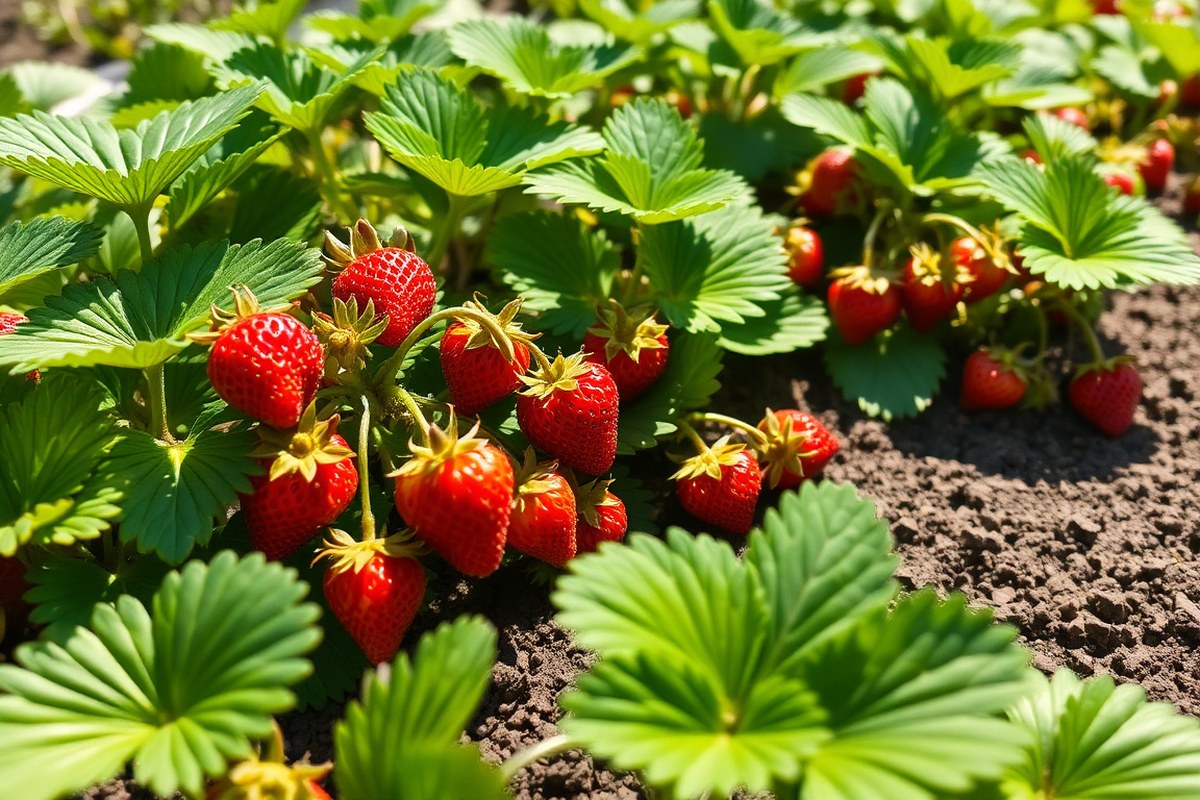
Do Strawberry Plants Need Full Sun? Optimal Light for Better Fruit Yields
Strawberry plants grow best with 6 to 8 hours of direct sunlight every day. Sunlight helps strawberries produce sweeter and juicier fruit. Plants exposed fully to the sun tend to grow faster and yield more berries.
Sunlight powers photosynthesis, which plants use to make their food. More sun leads to bigger leaves and stronger, healthier plants. Place strawberries where they get morning sun or full-day sun for the best results.
Avoid planting strawberries in spots shaded by trees, fences, or buildings. Shade reduces flowering and fruit production, so pick a bright, open area. Good sunlight also helps prevent mold and other diseases in strawberry plants.
Extreme midday heat can hurt plants by burning leaves or drying soil too fast. Water your strawberries often during hot spells to keep the soil moist. Adding some light shade in very hot climates can protect your plants without blocking too much sun.
Key Takeaways
- Strawberries need 6 to 8 hours of direct sunlight every day.
- Full sun boosts flowering and increases berry size and sweetness.
- Plant strawberries in spots free from shade most of the day.
- Avoid planting near tall trees or structures that block sun.
- Provide regular watering, especially in hot, sunny weather.
- Protect plants from leaf burn by adding light afternoon shade if needed.
Do Strawberry Plants Need Full Sun to Produce Best Fruit?

Strawberry plants must get plenty of direct sunlight to thrive and produce fruit. They need at least 6 to 8 hours of full sun each day. This bright light fuels photosynthesis, which helps plants grow bigger and make sweeter berries.
Photosynthesis helps strawberries make sugars that improve fruit sweetness and quantity. Chandler strawberries that get 8 or more hours of sunlight can yield about 3 pounds per plant annually. These berries also reach their peak sweetness under full sun.
Less light means weaker growth and less sweet fruit. Fruit yields drop to less than half when sunlight falls below 6 hours daily.
The berries also become less sweet and flavorful. Sunlight directly affects both the amount and quality of the harvest.
| Sunlight Hours | Fruit Yield (per plant/year) | Sweetness (Brix Value) |
|---|---|---|
| Less than 6 hours | Less than 1.5 pounds | Lower sweetness |
| 6 to 8 hours | 2 to 3 pounds | Moderate to high sweetness |
| 8 to 12 hours | Up to 3 pounds or more | Highest sweetness |
Aim for 8 to 12 hours of full sun for the best strawberry fruit. More sun means better growth and sweeter berries if your weather allows. This range gives plants the energy needed for top fruit production.
This time frame maximizes photosynthesis during the critical fruit-fill period. Photosynthesis uses sunlight, carbon dioxide, and water to create sugars and oxygen. Those sugars move into berries, making them plump and delicious.
Strawberries grown with under 6 hours of sun grow slowly and produce smaller, less tasty berries. Using a fruiting grow light can help in shady gardens. Still, full sun is the easiest way to get the best strawberries.
How Too Much Sun Affects Strawberry Plants and Fruit Quality

Strawberries can get too much sun, especially in hot weather above 85°F (29°C). Intense midday sun can heat leaves and fruit to nearly 90°F. This heat can cause leaf scorch.
It can also sunburn berries. Too much sun damages the plants and lowers fruit quality, making berries dry and less tasty.
Leaf scorch shows as brown, dry edges on leaves. Sunburned fruit looks pale or bleached. It may have tough patches.
You can prevent damage by giving light shade in the afternoon. Shade plants from about 1 pm to 4 pm. This helps during the hottest sun hours.
Use shade cloth to protect plants during heat waves. Place plants where they get some filtered sun. This reduces heat stress.
Watering also plays a role in preventing sun damage. When leaf temperature reaches 85°F or higher in midday sun, mist the plants. Do this just before sunrise.
It cools the leaves. Do a full irrigation cycle during cooler times of the day. Early morning or late afternoon works best.
Avoid watering in midday heat. Below is a guide on sun intensity, leaf temperature, and watering:
| Sun Intensity | Leaf Temperature | Watering Schedule |
|---|---|---|
| Morning Sun | 65°F, 75°F | Light watering every 2, 3 days |
| Moderate Midday Sun | 75°F, 85°F | Water deeply every 2 days |
| Intense Midday Sun | 85°F, 90°F | Mist before sunrise + deep watering late afternoon |
During heat waves, set up shade cloth that gives about 30% shade. Keep it for 3 to 4 hours in peak heat. This protects the plants well.
You can also use umbrellas or plant taller companion plants nearby for natural shade. Keep checking your leaves daily for signs of burning. Adjust shade or watering as needed.
Shade strawberry plants during the hottest afternoon hours. Water them on time to avoid scorching. These steps keep plants healthy.
Can Strawberries Grow in Partial Shade? Varieties and Conditions
Strawberries can grow in partial shade, but some types do better than others. Alpine and woodland varieties tolerate shade better than common June-bearing types. You still need at least 6 hours of sun for reasonable yields.
Everbearing vs June-Bearing Varieties
June-bearing strawberries need full sun, about 8 or more hours daily. They give a big harvest in a short season but drop yields if shaded.
Everbearing types need about 6 to 8 hours of sun daily. They produce fruit continuously during summer.
Day-neutral strawberries grow in 6 to 8 hours of sun and tolerate some light shade. However, their berry yield and size decrease if they get less light. Full sun supports larger, faster growth and more runners.
Alpine and Shade-Tolerant Strawberry Types
Alpine strawberries, such as ‘Mignonette’ and ‘Yellow Wonder,’ thrive in partial shade. They naturally grow along forest edges, so they handle dappled sunlight well. Woodland types are a good pick if your garden mostly has filtered or limited sun.
While shade-tolerant, these alpine types grow smaller berries and lower yields than full-sun varieties. They are better for shaded spots where traditional varieties won’t thrive. You might need to adjust expectations for how many berries you get.
Choosing Varieties for Partial Sun Environments
Pick alpine strawberries if your garden provides less than 6 hours of sun. Use June-bearing or everbearing types only if you have 6 or more hours of sun.
This helps them grow and fruit well. For spots with mixed sun and shade, day-neutral strawberries can work if they get 6 hours.
Look for open areas that get morning sun, especially if afternoon shade is strong. Avoid deep shade or places with only dappled light all day. Adding extra fertilizer or using containers can boost yields in lower light.
| Type | Light Needs | Notes |
|---|---|---|
| June-bearing | Full sun (8+ hrs) | High yield over short season |
| Everbearing | Full sun (6, 8 hrs) | Continuous fruiting through summer |
| Day-neutral | Full sun (6, 8 hrs) | Tolerates light shade but yields drop |
| Alpine varieties | Partial shade okay | Best for woodland or shady plots |
Choose varieties based on how many sun hours your garden really gets. For 6+ hours, June-bearing or everbearing offer larger harvests. Alpine strawberries suit less bright spots, though they yield less fruit and smaller berries.
Signs Your Strawberry Plants Aren’t Getting Enough Sunlight
Strawberry plants need enough sunlight to grow strong leaves and produce sweet fruit. When they don’t get enough light, the leaves turn pale and thin. You might also see your plants growing tall and thin, stretching toward any light source.
Low fruit yield is another clear sign of too little sun. Your strawberry plants may have small fruit if sunlight is low.
Poor berry sweetness often means plants missed needed sun hours. Plants need sun for sugar development in berries.
Some common mistakes cause poor light exposure. Planting in shade blocks sunlight during key parts of the day.
Trees, fences, or buildings can cause this shade. Placing plants too close together can also limit how much sun each plant receives.
To check if your plants need more light, use this simple checklist:
- Pale, thin, or yellowing leaves
- Leggy growth stretching toward sunlight
- Fewer blooms or flowers than expected
- Small or no fruit production
- Berries lacking sweetness or flavor
- Shaded space from nearby objects
- Plants crowded, blocking each other from sun
Your strawberry patch will benefit from more sun if many symptoms appear. Moving plants helps improve their growth and fruit. Choose a spot with 6 to 8 hours of sun each day.
Morning or early afternoon sun works best for strawberries. Morning sun is gentler and helps the plants avoid heat stress later.
When relocating, dig up your plants with care to keep roots intact. Transplant them in soil rich with compost to boost recovery. Water plants well after planting.
Look for new leaf growth in 2 to 3 weeks. This shows they adapted to the light.
Best Practices for Planting and Positioning Strawberries for Full Sun
Pick a garden spot receiving 6 to 8 hours of direct sunlight daily. Aim to face your strawberry plants south or southwest for better sun. For container plants, avoid places shaded by trees or buildings.
Assessing Solar Aspect and Light Patterns
Look for a place that gets steady sun from mid-morning to late afternoon. South-facing areas generally receive the most light in the US. West-facing locations catch afternoon sun but may expose plants to heat stress.
Check how the sun moves over your site across the seasons. Watch for shadows from trees, fences, or buildings that could block sunlight. Early spring is key because strawberries start fruiting then and need strong light.
- Observe the yard at different times to note sun and shade patterns.
- Note any objects or plants that cast shadows during peak hours.
- Use a compass or smartphone app to confirm the south-facing direction.
- Measure sunlight hours by marking times when the spot is bright and sunny.
- Check soil moisture and drainage to avoid spots that stay wet or cold.
- Choose spots with open air circulation but no strong winds, which dry plants quickly.
Pick a spot that avoids afternoon shadows to prevent weak fruit development.
Planting Orientation and Bed Setup
Plant rows running north to south so each plant gets equal sun exposure. This direction helps sunlight hit leaves evenly throughout the day. Space runners about 12 to 18 inches apart for airflow and light penetration.
Prepare the soil by loosening it deeply and mixing in compost for nutrients. Raised beds can improve drainage and keep strawberries warmer in cool climates. Avoid shady corners and places prone to morning dampness as this invites disease.
Place shade structures only on the western side to block harsh afternoon sun. Keep the eastern side open to let morning sun fuel photosynthesis. This setup balances sun needs while preventing heat damage.
Optimizing Container Placement for Sunlight
Put containers in a location that gets at least 6 hours of direct sun daily. Roof decks, patios, or balconies facing south or southwest work well when sun is limited. Containers dry out faster, so watch moisture carefully.
Use rolling plant stands or trays to move containers as sun shifts with seasons. This flexibility helps strawberries keep adequate light over time. Avoid tight spots that trap heat or create shade during midday.
Improve containers on blocks or shelves so air circulates beneath them. This extra airflow keeps roots cooler on hot days. Use lightweight pots to help you move them easily.
Make sure the pot is deep enough for roots, about 8 to 12 inches. This helps your strawberries grow healthy and strong.
Move containers regularly to follow sunlight and prevent uneven growth.
How Climate Influences Strawberry Sunlight Needs and Care
Strawberry plants need different sun exposure depending on your climate zone. Cooler zones, like USDA Zones 3 to 6, benefit from full sun all day. That means about 8 hours or more of direct sunlight to help fruit ripen fully.
In hot climates like deserts, full sun all day stresses plants. Plants need some shade to avoid stress. Avoid planting in full sun there.
In these hot zones, aim for 5 to 7 hours of sunlight. Focus on morning sun, then provide afternoon shade to protect the plants from scorching heat.
Afternoon shade can come from taller plants nearby or shade cloth that blocks the strongest rays. This helps strawberries avoid heat stress and keeps their fruit quality high.
Heat combined with intense sun above 85°F often causes wilting and sunburned leaves. That slows growth and reduces yield. To fight this, water strawberries in early morning so soil stays moist all day.
Mulch with straw or wood chips to hold moisture and lower soil temperature. In cooler climates, plants use more sun to warm soil and themselves. So watering can be less frequent.
Here’s how to adjust care by location. In Zones 3 and 6, plant strawberries in open spots. They need at least 8 hours of sun.
Water deeply but less often, about once a week depending on rain. Mulch lightly to keep weeds down. In hotter Zones 7, 10, give them morning sun plus filtered or partial afternoon shade.
Check soil moisture often during heat waves, watering to keep it moist but not soggy. Apply 2 to 3 inches of mulch thickly to reduce water loss and heat.
Remember, strawberries come from cooler areas. So they do not like long exposure to intense afternoon sun in hot climates. Giving them some shade in these regions stops leaf scorch and helps keep fruits juicy.
Overexposure raises leaf temperature past 95°F, which almost always causes damage quickly. Using shade cloth rated for 30% to 50% light reduction works well without blocking all sun.
Protecting Strawberry Plants from Sunburn and Heat Stress
Strawberry plants can suffer leaf scorch and sunburn under intense sun. Using shade cloth during the hottest hours helps prevent damage. Proper watering timing supports plant health without adding stress.
Choosing Shade Materials and Placement
Use lightweight shade cloth rated for 30% to 50% shade to protect strawberries. It filters sunlight, lowering leaf temperature by around 10°F while still allowing enough light for growth. Avoid heavy fabrics that block too much sun and stunt fruit development.
Place shade cloth over a frame or stakes 2 to 3 feet above plants. This keeps air flowing and avoids heat buildup under the cover. Set it up from 11 a.m. To 3 p.m., when sun intensity peaks and leaf temperatures often climb beyond 90°F.
Watering Timing and Techniques
Water strawberries early in the morning before sunrise. The soil can soak moisture while temperatures remain under 70°F, helping roots absorb water effectively. Avoid midday watering since wet leaves plus heat can cause sunburn and boost transpiration.
Adjust watering frequency based on how dry the soil feels and daily temperatures. For example, on days above 90°F, water deeply once daily. On cooler days, temperatures stay between 70 and 85°F. Check the soil every 2 to 3 days.
Water your strawberry plants if the soil feels dry. Consistent moisture near the roots keeps plants healthy and limits stress.
Using Mist and Cooling Methods
Light misting early before sunrise can cool leaf surfaces and reduce heat stress. Misting during midday sun should be avoided due to increased risk of leaf scorch. Use a fine spray that moistens leaves without pooling water.
Besides shade cloth, row fabrics can offer gradual sun protection by diffusing sunlight. This option works well for smaller plant patches or temporary heat waves. Remove covers when temperatures fall below 70°F to ensure full sun exposure.
Follow these steps to protect strawberries from strong sun and heat stress:
- Measure sun intensity and temperature around your plants.
- Select a 30, 50% shade cloth or row fabric suitable for your setup.
- Build or buy a frame to improve shade material 2 to 3 feet above plants.
- Install shade cover daily from 11 a.m. To 3 p.m., pulling it back afterward.
- Water early before sunrise with a deep soak, avoiding leaf wetness.
- Use light misting only in the cool morning on very hot days.
- Check soil moisture regularly and adjust watering frequency accordingly.
- Remove shading when cooler weather returns to maintain fruit production.
Fixing Low Sunlight Issues to Improve Strawberry Growth and Yield
Strawberries need enough sunlight to grow and produce well. Your plants may look small or grow slowly without enough sun. Move your plants to a sunnier spot.
You can also use reflective mulch. It bounces light to help plants.
Moving strawberry crowns or pots takes care and planning. Look for a place with at least six hours of direct sunlight daily. Check the soil and surrounding plants to avoid shade.
Use reflective plastic mulch when sun hours on the ground are low. It adds light without moving plants.
Follow these steps to move strawberry plants safely without damaging roots or crowns. Timing matters, do it in cool weather, early morning or late afternoon, to reduce stress.
- Water the plants deeply a day before moving to keep roots moist.
- Loosen the soil gently around the crown with a trowel or hand fork.
- Lift the crown and roots carefully without breaking roots.
- Trim any dead leaves or damaged roots for a clean transplant.
- Prepare a hole in the new spot, wide and deep enough for roots to spread.
- Plant the crown so the growing tip sits just at soil level.
- Press soil firmly around roots, then water the plant thoroughly.
- Add mulch around the base to keep moisture and reduce weeds.
Watch your strawberries after moving to see signs of recovery. Leaves should look greener and grow faster within two weeks.
Flower buds and fruit may take 4 to 6 weeks to appear after transplant. Check sunlight and water if growth stays slow or leaves turn yellow.
Never transplant strawberry plants during the hottest part of the day. Cooler times reduce shock.
Step-by-Step Action Plan for Growing Strawberries in the Right Sunlight
Follow these steps to get your strawberry plants the sunlight they need. Watch for healthy leaves and juicy fruit as signs you’re on track.
- Before you plant: Choose a spot with at least 6 hours of direct sunlight daily. Check the area in the morning and afternoon for sunlight amount.
- Planting day: Space strawberry plants about 12 inches apart in the sunniest area. Healthy spacing lets light reach all leaves well.
- Week 1: Water your plants regularly but avoid overwatering that can cause stress. Look for firm green leaves, not droopy or wilted.
- Week 3: Mulch around plants to keep the soil cool and moist. Mulch helps prevent sunburn on roots and stops weeds blocking sunlight.
- After 1 month: Check leaves for sunburn signs like white or brown patches. Provide shade cloth if the sun is too strong in afternoon.
- Midseason: Remove any crowded or weak plants to improve air flow and light access. Healthy plants will have plenty of flowers and berries.
- Harvest time: Pick strawberries when they are fully red and firm. More sun means sweeter and larger fruit most of the time.
- After harvest: Continue watering and feeding plants with balanced fertilizer. Preparing for the next season keeps your strawberry patch productive.
Frequently Asked Questions
Can Strawberry Plants Survive in Shade?
Strawberry plants can survive in shade but will grow poorly. They need at least 6 hours of direct sun to produce fruit well.
How Does Morning Sun Differ from Afternoon Sun for Strawberries?
Morning sun is gentler and helps dry dew early, reducing disease. Afternoon sun is hotter and may stress plants without shade or mulch.
Is 6 Hours of Sun Enough for Strawberry Plants?
Six hours is the minimum for most strawberry varieties to fruit well. More sun usually leads to bigger, sweeter berries.
Can Grow Lights Replace Natural Sun for Strawberries?
Grow lights can help if you provide 6-8 hours at 6, 12 inches above plants. They work best indoors or in short daylight seasons.
Do Strawberry Plants Grow Better in Containers or Ground with Sun?
Both can work if the spot gets full sun and soil drains well. Containers dry out faster and need more frequent watering.
Does Cloudy Weather Affect Strawberry Fruit Production?
Extended cloudy weather reduces photosynthesis, slowing growth and fruit size. A few cloudy days usually won’t harm a healthy plant.
Before You Go
Strawberry plants grow best with plenty of direct sunlight. Too little sun leads to fewer fruits and weak plants. Start by picking the sunniest spot in your garden.