Do Monsteras Like to Be Root Bound? What Actually Works for Healthy Growth
Do Monsteras like to be root bound? Not really.
They tolerate it for a while but don’t thrive long-term in cramped pots. Roots need some space to breathe and spread to keep your plant healthy.
When Monsteras get root bound, growth slows and leaves may yellow or curl. A root bound Monstera struggles to absorb nutrients and water properly. Its roots can circle around the pot, causing stress and damage.
The best move is to repot it into a slightly bigger pot. Pick a pot about 1 to 2 inches larger than your plant’s root ball. A much bigger pot might hold too much water, leading to root rot.
Make sure the pot has drainage holes to stop water buildup. Do the repotting in early spring, as your Monstera begins growing again then. This timing helps the plant recover and grow stronger after repotting.
Key Takeaways
- Root bound Monsteras slow down and can show yellowing leaves.
- Repot every two years during early spring for healthy growth.
- Pick a pot 1-2 inches wider than the root ball for room to grow.
- Drainage holes in the pot help avoid root rot and overwatering.
- Trim up to 20% of the root mass if roots are dangerously crowded.
- Water when the top 2-3 inches of soil start drying out.
Do Monsteras Like Being Root Bound?
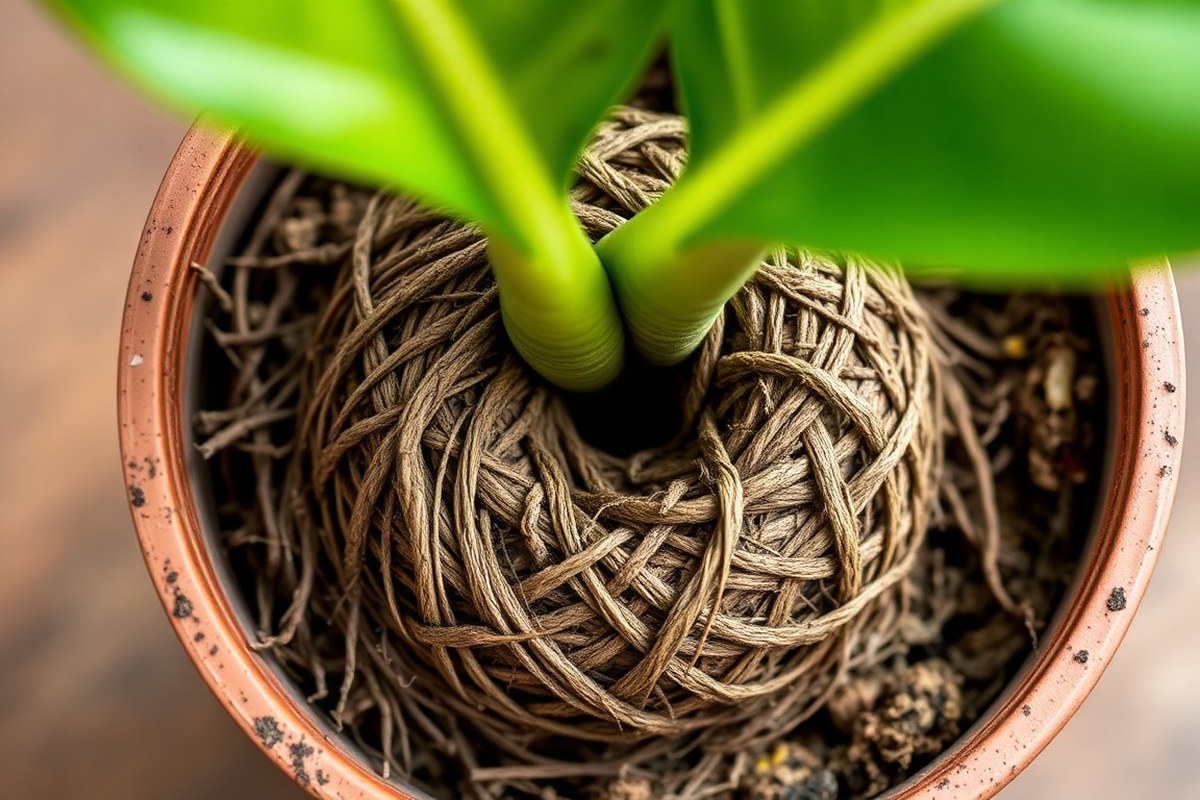
Monsteras do not like being root bound, though they tolerate it better than some plants. When roots circle tightly or form a dense mat, the plant struggles.
It can’t get enough water and nutrients this way. This tight root growth slows Monstera’s overall growth and can cause leaves to yellow or droop.
Short term, Monsteras can survive snug pots without serious harm. Still, they don’t thrive long-term in cramped conditions.
Roots filling the pot make the soil dry out faster. The Monstera’s growth slows down a lot.
In a root bound Monstera, roots wrap and harden around each other. This reduces space for fresh soil.
This limits nutrient uptake and stops new root growth. The leaves may get smaller, and the plant looks stressed and less vibrant.
Trimming back roots helps the plant fit better in its pot. This works if you don’t want to repot immediately. This gives the roots more room temporarily but isn’t a permanent fix.
Repot every two years, ideally in early spring. Fresh soil helps Monsteras grow strong roots and stay healthy.
Leaving a Monstera root bound for too long harms its health. Lack of space limits water absorption, causing fast soil drying and nutrient deficiency. Slow growth, pale leaves, or roots through drainage holes mean you should repot or prune roots.
Monsteras with healthy, spacious roots grow bigger and have leaf holes. They also develop strong stems. A pot just 1 or 2 inches bigger gives roots extra space.
This lets them spread out better. This investment in proper pot size supports reliable growth over time.
How to Identify a Root Bound Monstera
Visual Signs of a Root Bound Monstera
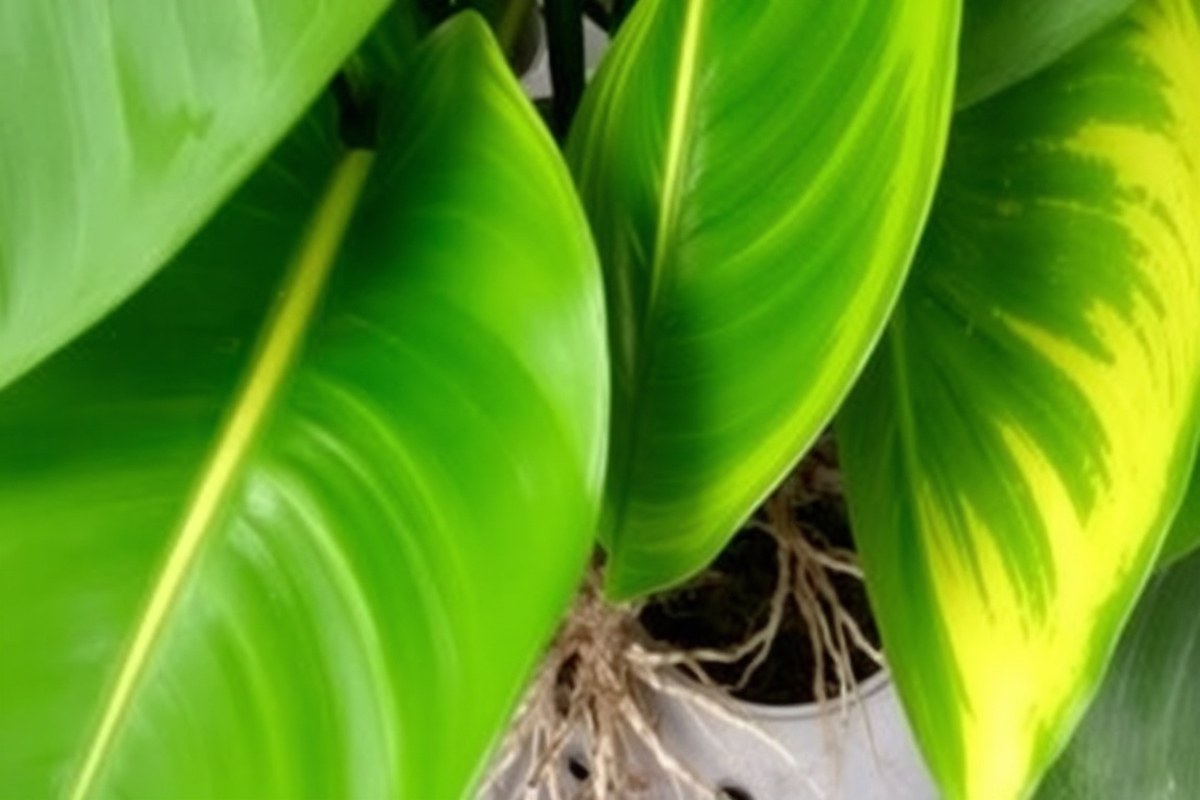
One clear sign is roots poking out of the drainage holes or over the soil. You might also see roots growing in circles inside the pot. Yellowing or wilting leaves are another visible clue your Monstera needs more room.
Stunted growth often shows up when a Monstera is root bound. The plant might stop producing new leaves or grow more slowly than usual. These signs say the roots can’t reach enough nutrients or water.
Checking Roots Without Harm
Lift the plant gently from its pot to peek at the root ball. The plant is root bound when roots hold the pot’s shape tightly. Avoid pulling or damaging roots; gently loosen soil if necessary.
You can check root crowding by sliding a thin tool down the soil edge. Doing this every few months helps you stay ahead of serious root binding.
Yellow Leaves and Stunted Growth Explained
Yellow leaves can mean many issues. But with other signs, they hint at root bound roots.
Lack of water and nutrients causes the plant to weaken, letting leaves yellow or drop. Drooping leaves may also show a struggle for moisture.
Besides yellow leaves, slow or no new growth tells you the roots are too tight. The plant prioritizes survival over new leaf production. Removing some new shoots temporarily can help focus energy on root rebuilding.
Root Bound Checklist for Monsteras
- Roots visible around pot edges or through drainage holes
- Root ball holds the shape of the pot tightly
- Yellowing or drooping leaves without other clear problems
- Stunted new growth or slower overall plant growth
- Soil dries out quickly or uneven watering effects
- Plant feels heavy or root-bound when lifted from pot
- Visible circling roots inside the soil surface
Check these signs regularly. They warn you before serious damage happens. Early action keeps your Monstera healthy and growing well.
Handle roots carefully to avoid damage when checking. Damaged roots can stress your plant further.
Stages of Root Bound Severity and What They Mean
Root binding in Monsteras has three main stages: slight, moderate, and severe. Each stage looks different and tells you when to act. Knowing these quickly helps keep your plant healthy.
Slightly Root Bound Characteristics
This stage means roots have grown inside the pot. They fill part of the pot. Roots don’t fully crowd the pot yet.
You might see roots poking out from the drainage holes or circling near the top soil. The soil still looks moist, and the plant grows steadily.
Slight root bound is normal for Monsteras and often means the plant feels cozy. It can even encourage moderate growth since the roots stay close to nutrients.
No urgent action is needed here. But keep an eye on growth rate and pot size.
Moderately Root Bound Signs
Moderate root bound shows roots wrapping tighter around the soil ball inside the pot. You’ll spot more roots near the surface, sometimes forming a dense network that crowds the soil. Growth might slow, and leaves could yellow or drop more often.
This stage signals the plant needs help soon. Water may drain slowly because roots block soil pores. Repotting within a few weeks will help Monsteras get fresh soil and space for healthier growth.
Severely Root Bound Symptoms
Severe root bound means a thick root mat covers the root ball. There is very little soil showing. The roots tightly cover the whole root ball.
Roots may grow out of the top, sides, and bottom of the pot. They are tightly packed.
Sometimes, roots circle inside the pot. The plant often looks stressed with fewer new leaves and smaller leaf size.
At this point, root bound Monsteras face watering problems and nutrient shortages. Roots can start to rot if left too long, which risks the plant’s survival. Repot immediately to prevent severe damage.
Recommended Actions for Each Stage
Knowing when to repot avoids stress on your Monstera. Use this table to match signs with the best steps to take. Timely repotting gives your plant fresh soil and room to grow without shock.
| Root Bound Stage | Visual Signs | Growth Impact | Recommended Timing | Action Needed |
|---|---|---|---|---|
| Slightly Root Bound | Some roots near drainage, soil mostly visible | Normal to slightly increased growth | No immediate urgency | Monitor; repot in 6-12 months if growth slows |
| Moderately Root Bound | Roots crowding soil ball, slow drainage | Growth slowing; possible yellowing leaves | Repot within 2-4 weeks | Repot into a slightly larger pot; fresh soil |
| Severely Root Bound | Root mat covers entire root ball; soil barely visible | Stunted growth; small leaves; watering issues | Repot immediately | Repot or divide plant; fresh soil; cut any damaged roots |
Repotting slightly root bound Monsteras too early can cause stress and slow growth. Waiting a year or so is usually fine unless you see poor leaf health.
Moderate root bound plants respond best when moved within weeks. Severely root bound plants lose health fast, so don’t delay repotting.
Choosing the Right Pot Size and Potting Mix for Repotting
Choose a new pot about 2 inches wider in diameter than your Monstera’s current pot. This size lets roots grow without drowning in overly wet soil. Picking a pot that’s too big holds water for too long, which leads to root rot.
Make sure the new pot has drainage holes. Drainage prevents excess water from pooling at the bottom, reducing root rot and fungus gnat issues. Without holes, soil stays soggy, suffocating the roots your Monstera needs for good health.
For potting mix, use a well-draining blend made for aroids or tropical plants. These mixes usually contain peat moss, perlite, and bark chips. They hold moisture but allow air flow, helping roots breathe and absorb nutrients properly.
| Mistake | Why It Hurts | Better Fix |
|---|---|---|
| Jumping to a huge pot | Extra soil stays wet and suffocates roots | Size up by 1-2 inches only |
| Packing soil tightly | Removes air pockets roots need | Tap the pot, do not press |
| Watering immediately after repotting | Can drown damaged roots | Wait one day, then water lightly |
| Burying the stem | Stem rot starts at the soil line | Keep stems above the mix |
| Fertilizing right away | Burns tender new roots | Wait 2-3 weeks |
When you repot, loosen the old soil gently to avoid damaging roots. Fill the new pot with fresh mix but don’t pack it tight. Lightly tap the pot so soil settles while leaving air pockets for roots.
After repotting, allow a day before watering. This helps roots recover without drowning.
Keeping stems above soil reduces rot risk. Hold off on fertilizer for 2 to 3 weeks to avoid root burn.
Proper Repotting Steps for a Root Bound Monstera
To repot a root bound Monstera, gently remove it from the pot. Loosen the roots carefully to avoid damage. Take your time to free the plant without tearing roots.
Examine and prune any overcrowded or damaged roots carefully. Set the Monstera into a pot that’s just a bit bigger.
Add fresh soil around the roots to support growth. This new setup helps the plant recover well.
Gathering Materials and Preparing
Pick a container roughly 2 inches larger in diameter than your previous pot. This size allows the plant to grow without drowning in soil.
Use airy, well-draining soil made for tropical or aroid plants. Keep clean, sharp scissors or pruning shears handy for trimming roots.
Prepare a clean workspace to avoid dirtying your plant or the area. Wear gloves if preferred to keep hands clean and avoid transferring bacteria to roots. Set the pot on a surface covered with newspaper or a plastic sheet.
Removing and Inspecting the Root Ball
Hold the pot with one hand and the Monstera base with the other. Gently twist the plant while pulling upward to loosen the root ball. Gently tap around the pot sides to loosen the plant.
You can also slide a blunt tool along the edges. Take care not to hurt the roots.
Remove as much soil as possible from the roots by gently shaking or brushing it out. Check for tightly circling roots and any mushy or bad-smelling sections. This helps you decide whether to trim roots or split the plant.
Root Pruning and Untangling Safely
Trim dead or rotten roots using clean, sharp scissors. Cut any roots that are too long or tangled tight. This helps the plant breathe and grow better.
Avoid removing more than one-third of the root mass to limit stress. Untangle circling roots gently with your fingers to encourage outward growth.
When roots form a tight ball keeping the pot’s shape, try dividing the plant. Use a clean knife or hands to split it gently. This can help each section thrive.
Each section should have several healthy roots and stems. Trim slightly to stimulate new, healthy root growth and prepare for repotting.
Positioning in New Pot and Adding Soil
Put a moist layer of fresh potting soil at the bottom first. It cushions roots and gives a good base for root growth. This step helps the plant settle in.
Position your Monstera in the center so roots spread naturally. Fill around the root ball with soil, pressing lightly to eliminate air pockets.
Avoid burying the stem deeper than it was before. Leave about an inch between the soil top and pot’s rim. This gap makes watering easier and prevents overflow.
It also lets the soil dry properly. This setup supports steady adjustment and growth after repotting.
Watering and Initial Aftercare
Water the Monstera thoroughly until you see water draining from the pot holes. This settles the soil around the roots and reduces transplant shock. Keep the plant in indirect light and maintain temperatures between 65 and 75 °F.
Expect leaves to droop for one to two weeks after repotting. Avoid adding fertilizer for at least a month to reduce stress. Check soil moisture and water only when top 2 inches feel dry.
- Gently remove the plant by twisting and pulling upwards out of its pot.
- Shake off excess soil and inspect roots for damage or tight circling.
- Prune dead or mushy roots with clean scissors, trimming no more than one-third.
- Untangle circling roots carefully with your fingers or prune if very dense.
- Place fresh soil in the new pot’s bottom layer for cushioning.
- Center the Monstera and fill soil evenly around roots, pressing lightly.
- Water thoroughly and provide indirect light and warmth for recovery.
Don’t prune too many roots at once or your Monstera may struggle to recover.
Caring for Your Monstera After Repotting
After repotting your Monstera, wait about a week before watering again. This pause helps the roots settle and avoids waterlogging, which can cause rot. Water it lightly at first, especially if you repotted during the active growing season.
Hold off on fertilizing for at least a month. Fresh soil usually has enough nutrients to support your plant’s recovery. Adding fertilizer too soon can stress the roots and slow new growth.
Monsteras do best between 65-85°F (18-29°C). Keep your plant in this temperature range to encourage root regrowth after repotting. Avoid placing it near cold drafts or heat sources, which stress the plant further.
Humidity should stay around 60%, similar to what your Monstera had before repotting. Use a humidifier or mist the leaves if your home is dry. This helps prevent leaf edges from browning due to low moisture.
Keep lighting stable and bright but indirect. Monstera roots grow slower in cool, dark spots. Adjust light to match what worked before repotting so your plant won’t feel more stressed.
If your Monstera was root bound for a long time, expect slower recovery. Thick root mats need time to spread out in the new soil. Be patient and avoid overwatering, which is a common mistake during this stage.
In case you repotted during cooler months, avoid heavy watering or fertilizing. The plant’s growth slows down then.
So less water prevents root rot and skipped fertilizer doesn’t harm recovery. Wait for warmer days to resume routine feeding.
How to Prevent Your Monstera from Becoming Root Bound
Repot your Monstera every 1 to 2 years, or when roots show at the drainage holes. This timing helps avoid the stress that comes from being root bound. Too big a pot can hold excess water, which may cause root rot or slow growth.
Pick a pot 1 to 2 inches wider in diameter than your current one. This size gives roots room to grow without overwhelming the plant. Always choose pots with drainage holes to keep the roots healthy and prevent waterlogging.
Certain conditions speed up root binding. Fast growth happens with plenty of light, warmth (65 to 80°F), and regular fertilizing.
Overwatering can weaken roots. So water only when the top inch of soil feels dry.
- Check roots yearly by gently lifting the plant from its pot
- Repot only when roots circle tightly or come out of drainage holes
- Use a pot 1, 2 inches larger in diameter for repotting
- Keep soil well-drained with a mix suited for Monsteras
- Maintain bright, indirect light and moderate temperatures
- Water only after the top inch of soil dries
- Fertilize monthly during growing season to support healthy root growth
Waiting too long to repot causes stressed roots, which limits leaf growth and vigor. Repotting too soon or into a much bigger pot can also slow growth.
Monitor soil moisture and root health to balance these factors. Proper repot timing and pot size help Monsteras stay strong and leafy.
Common Mistakes and How to Fix Them When Treating Root Bound Monsteras
Overpotting is a common mistake when fixing a root bound Monstera. Using a much larger pot can hold excess water and cause root rot. Instead, choose a pot just one size bigger to avoid soggy soil and stressed roots.
Excessive root pruning can also hurt your Monstera. Cutting too many roots weakens the plant and slows recovery. Remove only the dead or rotten roots, then gently loosen the root ball before repotting.
Poor watering makes root bound problems worse. Watering too much encourages root rot, especially if the pot holds moisture. Adjust watering by letting the top 1 to 2 inches dry first.
Use porous pots like terracotta to improve drainage. This helps prevent overwatering and soggy soil.
- Avoid repotting during fall and winter unless there’s an emergency, like root rot.
- Use 100% LECA to reduce overwatering risks and improve root health.
- Yellow leaves mean check soil moisture and pot drainage. Water only after confirming soil is dry.
- Repot only when roots crowd the current pot or show signs of rot.
- Keep soil lightly moist after repotting but never waterlog the roots.
After repotting, wait 6 to 12 months before repotting again unless you see root rot. Let your Monstera settle without stress from frequent changes. Watch watering and light carefully during this time.
New soil and more space help your plant grow strong. These help your Monstera get nutrients and root room.
Only prune roots when necessary, too much can slow your Monstera’s healing.
Remove rotten roots quickly to save your plant. Repot the plant in fresh soil that drains well. This stops the spread of root rot.
Cut back watering and increase airflow around your plant. This approach helps your Monstera bounce back quickly and avoid lasting damage.
Step-by-Step Action Plan for Your Root Bound Monstera
Follow these steps to care for your Monstera after repotting. Use them to prevent root bound problems. Doing this helps keep your plant happy and healthy.
- Before repotting: Check your Monstera’s roots for tightness or circling. Roots filling the pot with little soil means it’s time to repot.
- Day of repotting: Choose a pot 1-2 inches larger in diameter with drainage holes. Use fresh, loose potting mix suited for Monsteras for good drainage.
- During repotting: Gently loosen roots slightly but don’t force them apart. Place the plant in the new pot and fill around roots with soil.
- Immediately after: Water the plant until water drains from the pot. Keep soil moist but avoid sogginess for one week.
- First week: Keep the Monstera out of direct sun to reduce stress. Watch for signs of wilting or yellowing leaves as they recover.
- After 2 weeks: Start normal watering and feeding again. Watch your plant’s growth and adjust care as it settles.
- Ongoing care: Monitor growth every few months. Roots showing again means you should repot or trim them to avoid root bound issues.
Frequently Asked Questions
Do Monsteras Eventually Outgrow Being Root Bound?
Yes, Monsteras will outgrow being root bound and need repotting. Repotting gives roots space and boosts healthy growth over time.
Can Root Bound Monsteras Develop Root Rot?
Root bound Monsteras can develop root rot if poorly watered. Tight roots hold moisture, increasing rot risk, so water carefully.
How Often Should You Check If Your Monstera Is Root Bound?
Check for root bound conditions every 1 to 2 years. Regular checks prevent stress and help time repotting right.
Is It Harmful to Prune Roots on a Monstera?
Pruning roots can help relieve root bound crowding if done carefully. Use clean tools and trim only some roots to avoid shock.
Can Root Bound Monsteras Survive Without Repotting?
They can survive short term but won’t thrive or grow well without space. Repotting is best for long-term health and leaf size.
Do Root Bound Monsteras Need Less Water?
Slightly, because crowded roots hold onto moisture longer. Still, watch soil moisture to keep it balanced and avoid overwatering.
Final Thoughts
Monsteras do not really like being root bound but can handle it for a while. Repot promptly when roots crowd the pot to keep your plant healthy. Start by checking your Monstera’s roots today and plan for repotting if needed.