
How Big Does a ZZ Plant Get: A Complete Guide to Growth and Size Management
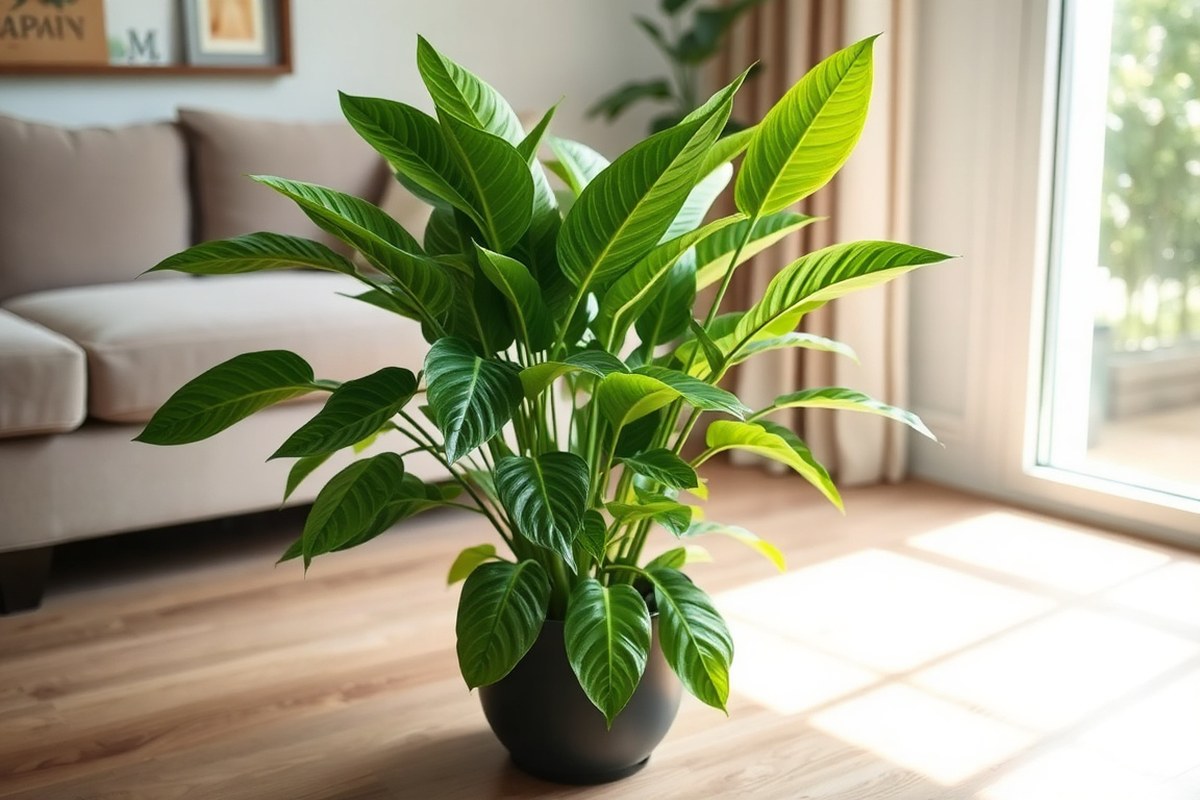
Wondering how big does a ZZ plant get when grown indoors or outdoors? A ZZ plant typically reaches 2 to 3 feet tall and wide as a houseplant. That size depends on the care, light, and pot space it receives.
Indoors, these plants grow slower and usually take 3 to 5 years to reach full size. Warm temperatures between 60 and 75 degrees Fahrenheit help them grow steadily. Avoid letting the temperature drop below 45 degrees, or it could stunt growth.
The size also depends on how crowded the roots become. Keep your ZZ plant in a pot just 1 to 2 inches larger than roots.
This size slows its upward growth. That’s a key trick if you want to keep it compact.
Key Takeaways
- A ZZ plant usually reaches 2 to 3 feet tall and wide indoors.
- Give it temperatures between 60 to 75 degrees Fahrenheit to promote growth.
- Keep temps above 45 degrees to avoid damaging the plant.
- Full size takes 3 to 5 years in normal home conditions.
- Restrict pot size by 1-2 inches wider than roots to slow growth.
- Providing light and warmth consistently helps your ZZ plant thrive.
How Big Does a ZZ Plant Typically Grow Indoors and Outdoors
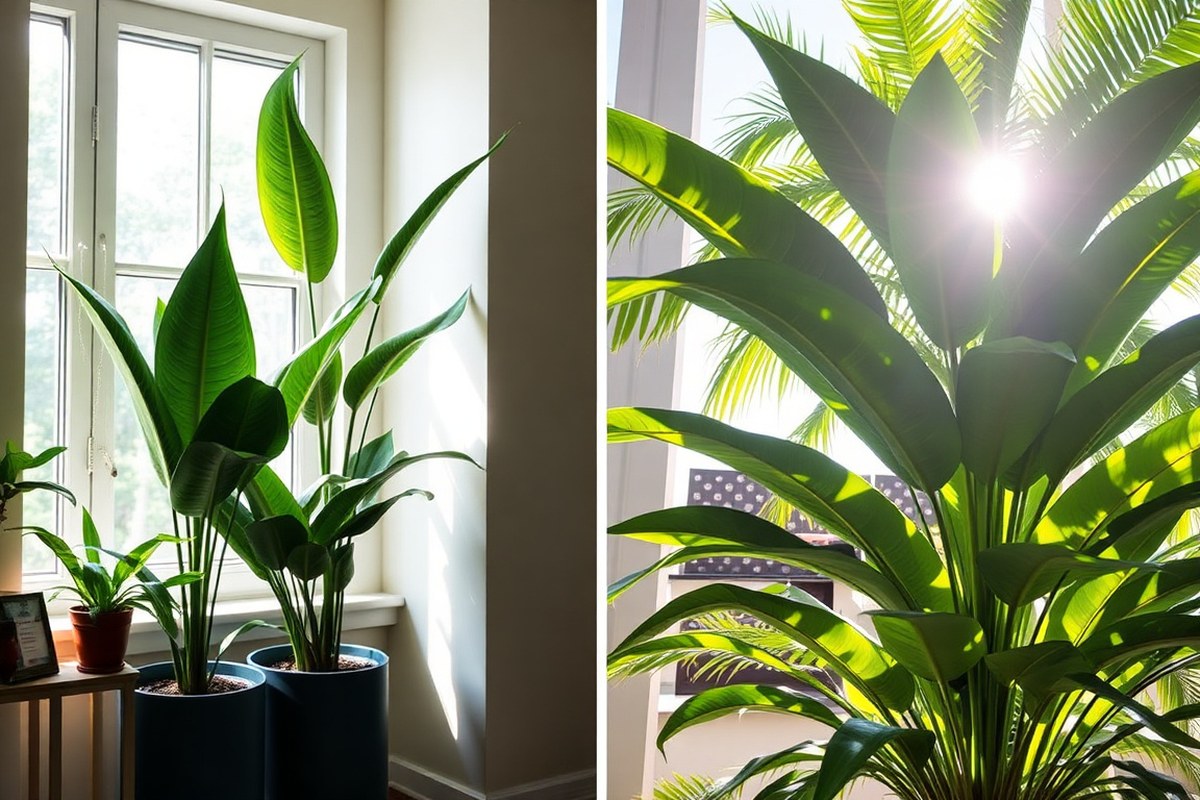
A ZZ plant commonly reaches about 2 to 3 feet high when grown indoors. Its width usually matches its height, with mature plants spreading roughly 2 to 3 feet across. This size fits most indoor spaces.
You can place it on a floor stand. It also looks good on a large table.
Outdoors, ZZ plants grow taller in tropical zones. They thrive in warm climates like USDA zones 9b to 11. ZZ plants often reach 3 to 4 feet tall.
Under ideal conditions, they can grow up to 5 feet. These conditions include open canopy and partial shade. Outdoor ZZ plants spread wider than indoor ones.
They often grow 3 to 4 feet across. This gives them a fuller look.
The difference in size indoors versus outdoors largely depends on light, temperature, and soil conditions. Indoor plants grown in filtered light and average room temperatures (65 to 75°F) remain more compact. Outdoor plants in bright, dappled sun grow taller and wider.
They also need rich soil to thrive well. Avoid heavy clay or waterlogged soil as it can stunt growth and cause root issues.
How Long Does It Take for a ZZ Plant to Reach Full Size

Your ZZ plant takes about 3 to 5 years to reach mature size indoors. In the first year, the plant mainly grows roots and rhizomes. It makes only a few new leaves during this time.
The plant looks small and slow-growing at this stage. But strong roots set the foundation for later growth.
Between years 2 and 3, your ZZ plant will enter steady growth. It puts out occasional new stems, filling its pot with more leaves. The stems spread slightly, creating a fuller shape with thicker foliage.
After 4 years or more, the plant reaches maturity. It shows a lush look with multiple thick stems and dense foliage. Maturity depends on pot size and care quality.
Bigger pots and better light help your plant grow taller and fuller. Your ZZ can reach about 3 feet in height. It will then continue growing slowly for many years.
The growth speed slows down with age. A young plant grows faster than one 10 years old. Using a pot just 1 or 2 inches bigger slows vertical growth.
This helps control how tall your ZZ gets. This means pot size directly impacts how tall the plant gets over time.
Don’t overpot your ZZ plant. Give it room to grow but avoid huge pots that hold excess moisture.
To reach a full 3 feet, upgrade to a larger pot every few years. Rhizome division every 3, 4 years can also refresh growth by resetting the plant’s vigor. Avoid fertilizing more than once every three months to prevent weak stems and burned roots.
Key Factors That Influence ZZ Plant Size and Growth Rate
ZZ plants grow better with bright, indirect light. Place your plant 3 to 6 feet away from an east or south window. This distance gives enough light without harsh sun.
It keeps the plant healthy and happy. Lower light cuts growth by about 40%. So keep it closer to light if you want bigger size.
Pot size affects both height and spread. Use a pot 3 to 4 inches bigger than the old one. This size helps roots spread and grow steadily.
It gives the plant room to thrive. Don’t pick a pot twice as large as the current one. Too big a pot can cause soggy soil problems.
This can lead to root rot. For small plants, a slightly bigger pot is best.
Keeping plants root-bound helps control their size. It prevents them from getting too large.
Water your ZZ plant only when the top 3 inches of soil feel dry. Overwatering slows growth and can cause rot.
Feed with slow-release fertilizer every 3 to 6 months or use liquid fertilizer monthly in spring and summer. Regular feeding supports growth but avoid too much to prevent root burn.
The ideal temperature for ZZ plants ranges from 65°F to 75°F. These plants come from East Africa, so they like warmth. Cooler temps slow growth and may cause leaves to yellow. Avoid cold drafts or temperatures below 45°F to keep your plant healthy and growing well.
Use well-draining soil amended with about 20% composted bark to release nutrients slowly. Good soil keeps the roots happy and prevents water from sitting too long.
Watch for quick water drainage. Too fast drainage means soil structure broke down, which can stress the plant.
Practical Methods to Control or Encourage ZZ Plant Size
You can control your ZZ plant’s size by pruning, repotting, and tweaking light and fertilizer. Pruning helps keep the shape tidy and can stop it from growing too tall.
Repotting affects growth by limiting root space. Light and feeding control how fast it grows.
Pruning Techniques for Size Control
Pruning cuts back unwanted stems, letting you shape the plant and maintain size. It also removes damaged leaves that waste energy. Regular trimming keeps your plant neat.
It stops the plant from growing too big. This helps it fit your room better.
Cutting stems near their base slows vertical growth. Removing yellow or damaged leaves improves health and appearance. You don’t need special tools; clean scissors or pruners work fine.
- Sanitize your scissors with rubbing alcohol to avoid infections.
- Locate stems that are overgrown, leaning, or damaged.
- Cut stems 1 to 2 inches above the soil or at a junction.
- Remove yellow or broken leaves to encourage new growth.
- Discard trimmings or propagate them if you like.
- Observe the plant over the next weeks for regrowth patterns.
- Repeat pruning every few months to maintain size and shape.
Repotting Guidelines for Healthy Growth
ZZ plants need repotting every 2 to 3 years to stay healthy and control size. Using a slightly larger pot helps the plant grow.
A modest pot keeps it compact. Choose a container just 1 to 2 inches bigger in diameter than the current one.
Repot during spring or early summer when the plant is actively growing. Avoid pots that are too large, or the plant might grow faster than you want. A well-draining potting mix is essential to prevent root rot.
- Pick a pot 1 to 2 inches wider than the current pot.
- Prepare fresh, well-draining soil suited for ZZ plants.
- Carefully remove the plant from its old pot, loosening roots gently.
- Place the plant in the new pot and fill gaps with soil.
- Water lightly to settle the soil but do not overwater.
- Keep the plant in indirect light and avoid fertilizing for 1 month.
- Monitor for stress signs like wilting or yellow leaves.
Adjusting Light and Fertilizer Intake
ZZ plants grow slower and stay smaller in low light. Bright indirect light encourages larger, faster growth. You won’t see much growth under dim conditions, but the plant will stay healthier.
Applying fertilizer once or twice during the growing season helps boost size. Use a balanced, water-soluble fertilizer diluted to half strength. Too much fertilizer or too frequent feeding can harm roots and stunt growth.
Combine proper light with occasional feeding for the best size control. Move your plant closer to a window with filtered light if you want it bigger. Cut back feeding and choose a shadier spot to slow growth.
Common Misconceptions About How Big ZZ Plants Get
ZZ plants don’t grow huge if you just let them alone. Most grow slowly, gaining about 12 inches in a season under good conditions.
ZZ plants usually grow up to 3 to 4 feet tall indoors. This size limit happens even after several years.
Many think putting a ZZ plant in a bigger pot makes it grow much larger. This isn’t true.
You should only repot when the roots visibly deform or push out of the pot. Even then, move up just one pot size to avoid swampy soil and root rot.
Not all ZZ plants grow the same way. They look similar but grow at different rates sometimes.
Growth depends on their genetics and how you propagate them. This means your plant might stay smaller or grow faster than a friend’s ZZ plant.
- Only repot if the current pot is cracked or roots are crowded
- Keep rhizomes about 1 inch below the soil surface, never deeper
- Expect 12 inches of growth in a good season, usually slower
- Keep the plant in bright, indirect light for best growth
- Don’t overwater; soggy soil harms root health
- Consider genetics but avoid expecting big size jumps by pot size
Only repot your ZZ plant when roots crowd the pot. Doing it earlier can cause stress and slow growth.
Changing pot size without root issues can harm your ZZ plant’s growth. It wastes water and may cause root rot.
The rhizomes need to remain near the soil surface, so planting depth matters. Too deep and they can rot, too shallow and they dry out.
Genetics add another layer. Your ZZ plant may grow slower or stay smaller than others.
Perfect care doesn’t always mean big, fast growth. Recognizing this stops you from pushing the plant too hard or buying bigger pots unnecessarily.
How to Recognize When Your ZZ Plant Has Reached Its Natural Size
Look for slower growth over several months to spot maturity in your ZZ plant. A mature ZZ plant will stop growing taller but may spread wider.
Leaf stems, called petioles, may get shorter. Leaves get thicker and greener in bright, indirect light.
Check the underground rhizome if possible. A healthy rhizome shows your plant has enough energy for new growth.
Soft leaves or a bad smell mean the plant might be struggling. Soggy soil causes rhizome rot, leading to yellow stalks and stunted growth.
- Height steadies around 30 inches after steady growth
- Leaf density increases with shorter petioles
- Soil feels just moist, not soaking wet
- Rhizome is firm without bad smell or softness
- No yellow or wilted leaf stalks appearing
- Width expands more than height over time
When the plant stops pushing shoots past the top, it likely reached full size. Watch for yellowing stalks to tell stunted growth apart from mature plants. Stunted plants often have unhealthy roots and need attention.
Expect height growth to slow after about three years indoors under ideal light conditions. The ZZ plant focuses energy on its rhizome “savings account,” growing only when it feels safe. This strategy means height gains stop once it’s sure resources are stable.
Comparing ZZ Plant Size with Similar Low-Maintenance Houseplants
ZZ plants stay medium-sized compared to snake plants and cast iron plants. They reach similar heights but usually spread less wide indoors. Their growth is slow and predictable, matching well with low-maintenance indoor spaces.
Height Comparison
ZZ plants commonly grow 2 to 3.5 feet tall indoors, making them a moderate option. Snake plants often grow taller, reaching 3 to 4 feet. Cast iron plants usually top out shorter at around 2 feet.
Both ZZ and snake plants fit well vertically. But snake plants have more variable height. Cast iron plants stay low and bushy, so they suit small spots.
Width and Spread
Snake plants spread wider indoors, often up to 2 to 3 feet across. ZZ plants stay more contained, rarely over 2 feet wide inside. Cast iron plants spread like a thick clump, about 2 feet wide.
Indoor space may limit how wide snake plants can grow, though. ZZ plants hold compact growth better, so they fit tighter spaces without needing trimming.
Growth Habits and Maintenance
ZZ plants grow slowly and handle drought well. They need low to moderate indirect light, letting them thrive in darker corners. Snake plants are also drought tolerant but can tolerate brighter light better.
Cast iron plants grow slow but need more moisture and humid air. Maintenance for ZZ and snake plants is easy, with light watering and occasional dusting. Cast irons demand more attention to humidity and regular watering.
Here’s a table showing how these three plants compare in size and habits:
| Plant | Typical Indoor Height | Typical Indoor Width | Light Preference | Drought Tolerance | Growth Rate |
|---|---|---|---|---|---|
| ZZ Plant | 2 to 3.5 feet | Up to 2 feet | Low to moderate indirect light | High | Slow |
| Snake Plant | 3 to 4 feet | 2 to 3 feet | Low to bright indirect light | High | Moderate |
| Cast Iron Plant | Around 2 feet | About 2 feet | Low to moderate indirect light | Moderate | Slow |
The table highlights ZZ plants’ moderate height and tighter spread indoors. Their slow growth rate and drought tolerance make them easy to manage.
Snake plants offer taller growth and wider spread if you want vertical impact and room. Cast iron plants suit smaller, shaded spots but need more care.
Troubleshooting Stunted Growth and Size Problems in ZZ Plants
Troubleshooting Stunted Growth and Size Problems in ZZ Plants
Overwatering, low light, and root problems often stunt ZZ plant growth. Fixing these issues can help the plant grow healthy and full again. Let’s look at how to spot problems and correct them.
Identifying Growth-Limiting Symptoms
Dropped leaves, yellowing, or slow growth are common signs your ZZ isn’t thriving. Check if the leaves feel soft or mushy, which often points to overwatering. Also, watch for dry, shriveled rhizomes, which signal underwatering or root damage.
Look closely at your plant’s size and leaf quality. Your ZZ could stay small or pale if light or roots have issues. Gently take the plant from its pot.
Check the root ball. Look for crowding or rotten spots.
Correcting Watering and Light Mistakes
ZZ plants do best with watering every 2 to 3 weeks. The soil should dry out fully between watering, including deeper down, not just surface dry. Avoid waterlogged soil, which kills roots and halts growth.
Placing your plant in bright, indirect light speeds up growth. While ZZs survive in dark spots, they grow slower there and may drop leaves. Move yours closer to a window but out of direct sunlight to keep leaves from burning.
Check soil moisture by sticking your finger 1-2 inches into the soil. Water only when dry at that depth.
Reviving Root Health
Root rot stunts growth. It happens from overwatering or big pots holding wet soil. Use a pot only one size bigger than the root ball.
Choose soil that drains well. Repot your ZZ plant carefully.
Cut away any black, mushy roots with clean scissors. After repotting, water lightly and let the plant rest in bright, indirect light. This gives roots time to recover without drowning.
- Remove the plant from its pot and gently clear off old soil.
- Inspect roots for soft, dark, or rotten areas.
- Trim any damaged roots with sterilized scissors.
- Choose a slightly larger pot with drainage holes.
- Fill it with fresh, fast-draining potting mix.
- Replant your ZZ and lightly water to settle soil.
- Place the plant in bright, indirect light away from drafts.
- Wait 2-3 weeks before watering again, so roots recover.
Step-by-Step Action Plan to Manage Your ZZ Plant’s Growth
Follow these steps to help your ZZ plant grow well or stay the size you want. Check each step to see if your plant is responding.
- Before you start: Choose a pot size that fits your space and plant size. A snug pot keeps growth slow, a bigger pot helps it grow faster.
- Week 1: Place your ZZ plant in bright, indirect light. Good light helps it grow steadily without stress.
- Week 2: Water your plant only when the top inch of soil feels dry. Too much water can slow growth or cause root problems.
- Month 1: Check the plant for new shoots or leaves. That shows your ZZ is growing well and happy.
- Month 3: Add a balanced, diluted houseplant fertilizer every 6 weeks during growing season. This supports healthy, steady growth.
- Month 6: Prune any crowded or damaged leaves to keep size and shape in check.
- After 1 year: Repot only if roots outgrow the pot or soil seems poor. Too big a pot makes size grow faster than needed.
Frequently Asked Questions
Can ZZ Plants Grow Larger in Brighter Light?
Yes, ZZ plants grow bigger with more light but avoid direct sun. Bright, indirect light helps boost growth without burning leaves.
Does Repotting ZZ Plants Make Them Grow Bigger?
Repotting every 2-3 years gives roots room to grow, encouraging size. Use a pot just 1-2 inches larger to avoid overwatering risks.
How Does Humidity Affect ZZ Plant Size?
Higher humidity can support slightly faster growth but isn’t critical. ZZ plants adapt well to average indoor humidity without much trouble.
Can Pruning Change How Big a ZZ Plant Gets?
Pruning helps shape the plant but won’t make it grow bigger. It redirects energy to healthy stems and keeps the plant tidy.
Are There Dwarf ZZ Plant Varieties?
Yes, some ZZ varieties stay smaller, ideal for tight spaces or desks. These varieties grow slower and stay more compact by nature.
Does Fertilizing Really Make a ZZ Plant Bigger?
Fertilizer can boost growth if used sparingly during spring and summer. Overfeeding can harm ZZ plants, so use a balanced, diluted fertilizer.
Key Points to Remember
ZZ plants can grow up to 3 feet indoors, but they usually stay smaller. Your plant’s size depends on light, water, pot size, and care. Start by adjusting one factor today to see how your ZZ responds.


