Is the Oleander Plant Poisonous? Complete Safety Guide and Toxicity Facts
Is the oleander plant poisonous? Yes, every part of the oleander plant contains toxins harmful to humans and animals. Even small amounts can cause serious health problems.
So treat all oleander parts as dangerous. Avoid touching or eating any part of the plant to stay safe.
The toxins affect the heart and digestive system, making oleander ingestion very risky. Symptoms can show up quickly.
So watch for signs of poisoning like nausea or irregular heartbeat. If you suspect oleander poisoning, call Poison Control or get medical help immediately.
Oleander grows widely as a garden shrub and can get quite tall. So it’s easy to come in contact with. Keep pets and children away from oleander shrubs or clippings.
Safely dispose of any garden waste. Handling oleander carefully can prevent most poisoning accidents.
Key Takeaways
- All parts of oleander are poisonous and should be handled with care.
- Oleander toxins mainly affect the heart and digestive system.
- Call 1-800-222-1222 immediately if someone ingests oleander.
- Keep pets and kids away from oleander plants and clippings.
- Wear gloves and wash hands after cutting or disposing of oleander.
- Recognize oleander by its narrow leaves and clusters of bright flowers.
Is the Oleander Plant Poisonous to Humans and Animals?
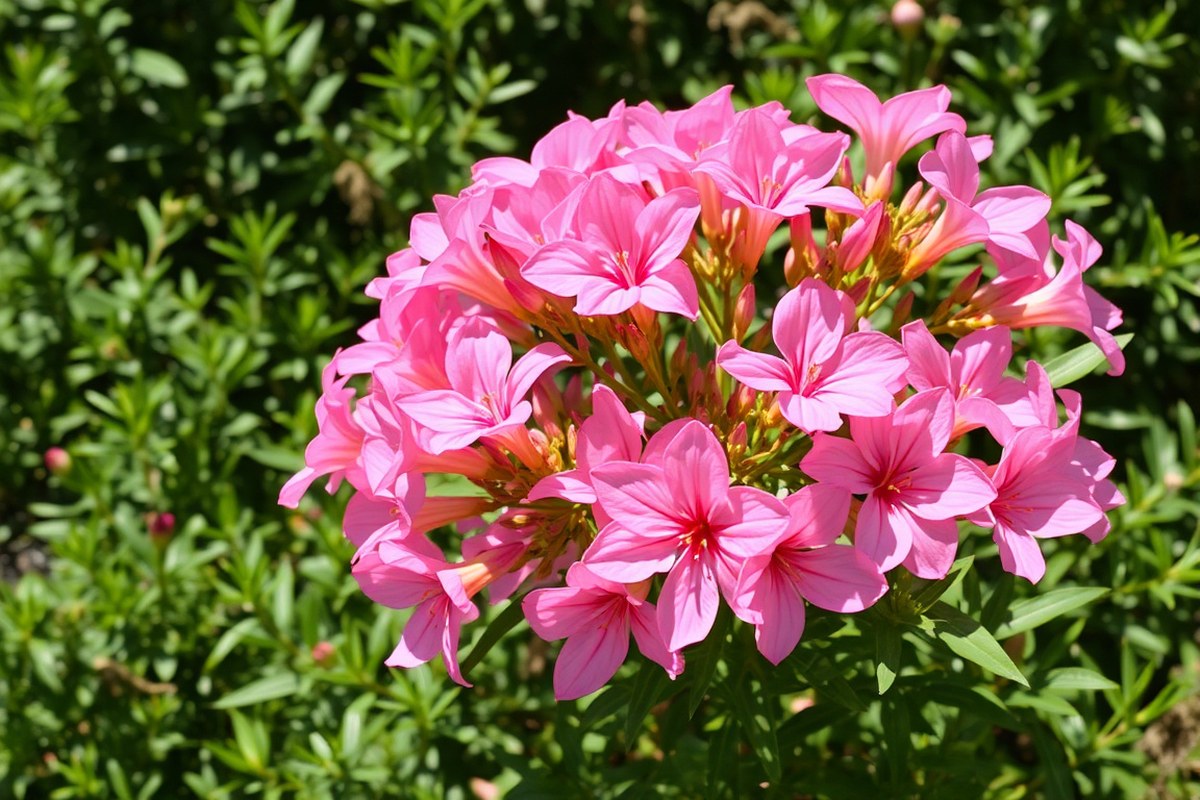
Oleander is toxic to people. All sections of this plant contain poisons. This covers the stems, leaves, seeds, flowers, and nectar inside flowers.
Each part holds toxins that impact the heart. Eating or biting any part can cause harm. The risk stays if leaves are dry or the plant looks lifeless.
Animals also face serious risks from oleander. Pets like dogs, cats, rabbits, and birds can get sick if they eat it.
Livestock, especially horses, are vulnerable too, as they might accidentally graze on clippings left in pastures. Signs of poisoning in animals include drooling, abdominal pain, diarrhea, and sudden death.
Because the risk is so high, oleander shouldn’t be planted where kids or pets play. Even a small chew on a leaf or flower can trigger symptoms. The toxins are strong enough that avoiding any contact is the safest choice.
There are many varieties of oleander, but none are truly safe. All types contain similar toxic compounds, so no cultivar is less dangerous. Treat every oleander plant like it’s harmful to children and animals.
Suspect someone or a pet swallowed oleander? Call poison control or a vet right away.
What Toxins Make Oleander Poisonous and How They Affect the Body
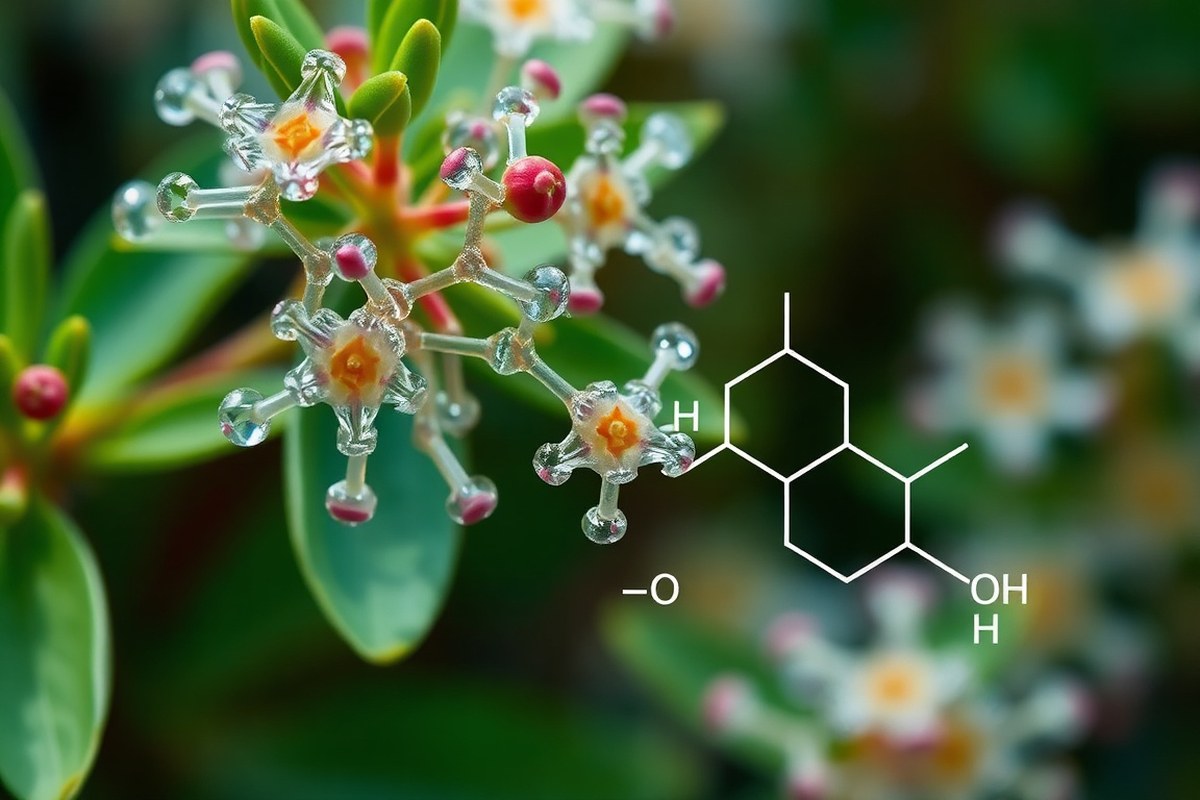
Oleander contains several cardiac glycosides, including oleandroside, nerioside, oleandrin, neriin, and digitoxigenin. These compounds make every part of the plant toxic, no matter the flower color or variety. The toxins mess with your heart and digestion.
Even small amounts can be dangerous. They create a real risk for health problems.
Cardiac glycosides disrupt the sodium-potassium pump in cell membranes. This pump is essential for controlling electrical signals in heart cells. Toxins like oleandrin block the heart’s pump.
This can cause sudden changes in heart rhythm. You might see slow or irregular heartbeats. The effect is similar to the prescription heart drug digoxin but without medical control.
Poisoning usually starts with upset stomach symptoms like nausea, vomiting, and diarrhea. Those symptoms happen because the toxins first irritate the digestive tract lining. Afterward, the toxins quickly enter the bloodstream and reach the heart.
A little bit of leaves, flowers, or sap can cause big trouble. It can lead to serious health problems. Sudden cardiac arrest is also possible.
Oleander’s toxins absorb fast after ingestion, increasing the risk. Cases have shown that doses as low as 0.25 grams per kilogram of body weight cause vomiting and dangerous heart rhythms in animals. A child chewing a few leaves or a pet nibbling the plant is risky.
This can turn into a medical emergency quickly. Don’t let this happen. Long-term exposure isn’t needed for severe poisoning to occur.
Never let kids or pets chew any part of oleander. Even a quick bite can be deadly. Tiny amounts can cause serious harm.
Recognizing Oleander: Key Features and Look-Alike Plants
Oleander is an evergreen shrub with narrow leathery leaves and showy flowers. You can spot it by its long, pointed leaves arranged in groups of three. Its flowers bloom in clusters and come in colors like pink, white, and red.
Leaf and Flower Characteristics to Identify Oleander
Oleander leaves are narrow, tough, and glossy. They grow in whorls of three around the stem, which is a clear giveaway. The leaves are about 3 to 7 inches long and feel leathery to the touch.
Its flowers bloom in dense clusters. Each flower has five petals, often overlapping to form a funnel shape. Colors commonly include pink, white, red, or yellow, with some having darker markings.
Main Look-Alikes: Rhododendron, Azalea, and Lantana
Rhododendrons and azaleas have oval leaves arranged alternately, not in whorls. Their leaves are softer and less leathery. The flowers of rhododendrons have similar colors but a different shape.
Lantana is another look-alike with clusters of small flowers. Its leaves are rough and serrated, unlike oleander’s smooth edges. Both plants are poisonous but affect the body differently.
- Oleander: narrow leaves in whorls of three, leathery texture
- Rhododendron and azalea: oval leaves arranged alternately, softer texture
- Lantana: rough, serrated leaves and small clustered flowers
- Oleander flowers: five-petaled, funnel-shaped, dense clusters
- Rhododendron flowers: bell or funnel shape, colors vary
- Lantana flowers: tiny, less showy clusters, often multicolored
Knowing these traits helps avoid confusion and potential poisoning problems. Always observe leaf shape and arrangements carefully.
Seasonal Growth and Flowering Behavior
Oleander stays green all year since it’s an evergreen shrub. It blooms mostly in late spring and summer, sometimes into early fall. Flowers may appear from April through October, depending on your climate.
Oleander may slow growth or drop leaves in cold weather. It usually recovers when the warmer months arrive.
The plant can survive mild cold but looks stressed then. Fertilizer applied in spring encourages healthy growth and flower production.
Symptoms of Oleander Poisoning in People and Pets
Oleander poisoning first shows up with stomach problems in both people and pets. Symptoms can get worse fast, causing serious heart and neurological trouble. Watch for early signs to act quickly and call for help right away.
Initial Gastrointestinal Symptoms
Nausea, repeated vomiting, stomach cramps, and diarrhea often start within a few hours of oleander ingestion. Pets might also drool excessively along with having belly pain. These early signs look like food poisoning.
Oleander poisoning needs fast medical care. It is highly toxic.
Drooling in animals and belly cramps in people are common. So don’t ignore these symptoms. Notice these signs after possible oleander contact?
Call poison control or a vet right away. Do not try to treat these symptoms at home.
Cardiac and Neurological Effects
Many symptoms linked to oleander poisoning become much more dangerous after the first day. A slow or irregular heartbeat, dizziness, weakness, and fainting show that the heart is affected. These signs mean a person or pet needs emergency monitoring and heart tests.
Severe cases include seizures, life-threatening heart rhythms, shock, and cardiac arrest. Emergency hospital care is critical in these situations to try to save the heart and brain. Without quick treatment, these symptoms often lead to death.
| Stage | Possible Symptoms | Suggested Action |
|---|---|---|
| First Few Hours | Nausea, repeated vomiting, belly cramps, diarrhea, drooling | Always contact poison control or a vet for oleander exposure. Avoid trying treatments at home. |
| 4, 24 Hours | Slow pulse, irregular heartbeat, dizziness, weakness, fainting | Emergency care is important. Heart checks and lab tests help guide treatment. |
| Severe Cases | Seizures, severe arrhythmias, shock, cardiac arrest | Emergency resuscitation and intensive care in a hospital setting |
Recognizing these symptoms and the timing helps you get the right care fast. Quick action often changes the outcome and can save a life or prevent long-term harm. Watch carefully for changes as symptoms can develop rapidly.
Skin and Eye Irritation Signs from Contact
Touching oleander or its sap usually causes skin irritation or contact dermatitis. Some people also get eye redness or swelling if the sap gets in their eyes. Such contact problems are less dangerous than eating the plant but still painful.
Wear gloves when gardening with oleander to lower the risk of skin problems. Avoid rubbing your eyes or face after handling oleander.
Rinse irritation with water. See a doctor if rash or swelling gets worse.
Immediate Steps to Take After Suspected Oleander Ingestion
Call emergency services or poison control immediately after someone eats any part of an oleander plant. Do not wait for symptoms to appear because oleander toxins act quickly. Take clear steps to keep the person safe while you seek professional advice.
Contacting Poison Control Centers and Emergency Numbers
Dial 911 or your local emergency number right away if you suspect oleander ingestion. The dispatcher can guide you on the best next steps while sending emergency help if needed. You can also call the Poison Control Center at 1-800-222-1222 any time for expert advice.
Contact your vet right away if your pet ate oleander. Call the ASPCA Animal Poison Control Center at (888) 426-4435 any time. They can guide you on what to do before the vet visit.
Keeping the Person Calm and Preventing Further Exposure
Help the person sit or lie down calmly to avoid falling or injuring themselves. Move them away from the plant and remove any plant material in their mouth if possible. Do not give food or drink unless told to do so by a medical expert.
Check the person’s breathing and pulse. Keep their airway open if the pet is awake.
Keep their head steady and clear. Stay close by until help arrives and avoid letting them wander or touch the plant again.
Avoiding Home Remedies and Preparing for Medical Care
Avoid making the person vomit unless a poison expert says so. Do not give home remedies without professional advice. It could make the situation worse.
Inducing vomiting can worsen oleander poisoning. Stay on the phone with poison control or emergency responders and follow their instructions carefully.
Collect plant pieces or take photos of the oleander eaten. This helps doctors identify the poison fast. Bring these to the vet or hospital.
Write down the time of ingestion and what parts of the plant were involved. This information speeds up diagnosis and treatment at the hospital or vet clinic.
- Call your local emergency number or Poison Control at 1-800-222-1222 immediately.
- Move the person or pet away from the oleander plant carefully.
- Check if the person is responsive and breathing normally.
- Keep the person calm and still while you wait for help.
- Do not give food, drinks, or induce vomiting unless directed.
- Collect a sample or take a photo of the plant if safe to do so.
- Write down details: time of ingestion, plant parts eaten, symptoms noticed.
- Stay on the phone with emergency or poison control and follow their directions.
Never induce vomiting after oleander poisoning unless a medical professional instructs you to do so.
Preventing Oleander Poisoning: Garden Safety and Pet Protection
Plant oleander far from places kids and pets frequent. Avoid play areas, dog runs, barns, and entryways. This keeps curious hands and paws safely away from its toxic parts.
Handling oleander requires gloves and long sleeves. The sap can irritate skin, so wash hands after trimming or planting. Always discard clippings carefully to prevent accidental exposure or ingestion by animals or children.
Teaching kids simple safety rules about not touching or eating unknown plants helps. Keep a close watch on pets when outside near the shrub. Worrying about safety means choosing a non-toxic shrub for busy spots.
- Plant oleander at least 10 feet from play areas or pet paths
- Wear gloves and long sleeves when pruning or handling
- Clean tools and hands thoroughly after contact
- Remove all fallen leaves and clippings promptly
- Educate children on avoiding any unfamiliar plant parts
- Restrict pet access near oleander with fencing or barriers
- Choose non-toxic plants in spaces shared by kids and pets
Keep photos of the plant handy for quick identification in case of injury. After someone swallows oleander, take plant parts out of their mouth right away. Seek emergency vet or medical help without delay for better outcomes.
Many families decide to remove oleander entirely when young children or pets share their yard. The effort to safely grow this shrub is considerable. Still, with care, it can fit into gardens where safety is a priority.
Safe Disposal and Handling of Oleander Clippings and Waste
Burning oleander clippings is unsafe because the smoke contains toxic compounds. These toxins can harm your lungs and spread poison to others nearby. Avoid burning any part of the plant.
It can release harmful fumes. These fumes can spread poison in the air.
To dispose of oleander waste safely, gather all trimmings and affected leaves in strong trash bags. Never add them to your compost pile, as toxins can persist and contaminate soil. Instead, use regular trash disposal or municipal green waste services that handle poisonous garden debris.
Always wear gloves and eye protection while handling oleander trimmings. The plant’s sap can irritate your skin and eyes. Wearing long sleeves and pants adds extra safety, especially when pruning or collecting fallen clippings.
- Put on protective gloves, long sleeves, long pants, and eye protection.
- Cut oleander branches or collect fallen leaves carefully to avoid sap contact.
- Place all clippings and leaves into sturdy plastic bags.
- Seal the bags tightly to prevent the spread of toxic sap.
- Dispose of sealed bags in the trash or take them to municipal green waste facilities.
- Do not place oleander debris in home compost piles or burn piles.
- Wash your hands and any exposed skin with soap and water after cleanup.
Handling oleander this way lowers the risk of secondary poisoning. It protects you, your pets, and family from coming in contact with toxic plant sap. Proper disposal also stops poison from entering local soils or wildlife habitats.
How Oleander Poisoning Is Diagnosed and Treated by Professionals
Doctors diagnose oleander poisoning by checking symptoms and blood tests. The toxins in oleander behave like digoxin, a heart medication, which can confuse tests. A digoxin test can show high levels even without taking digoxin.
This often suggests oleander poisoning. Doctors use this to help identify the toxin.
This test makes diagnosis tricky since the results look like digoxin overdose. Some newer digoxin tests react more strongly to oleander toxins, showing higher values. Doctors must use these results alongside symptoms, heart rhythm monitoring, and patient history to confirm poisoning.
Treatment aims to stabilize the heart and prevent complications. Hospitals often give activated charcoal if the poisoning is fresh to absorb toxins. Patients may get medicines for nausea.
They often get fluids through an IV. This keeps them hydrated and balances electrolytes.
Heart rhythm monitoring is important because oleander toxins can cause dangerous arrhythmias. Electrolyte levels get checked and corrected as needed to support heart function. In severe cases, doctors use an antidote made from antibodies.
These antibodies bind and neutralize cardiac toxins. It helps stop the toxin’s action.
Hospital stays usually last several days, depending on toxin amount and symptoms. Most recover well with close medical care.
But severe poisoning can lead to lasting heart issues. Quick medical attention improves the chance of full recovery and lowers the risk of serious problems.
Always tell medical staff if you suspect oleander exposure, even if initial tests don’t confirm it.
Why Oleander Remains Popular Despite Its Poisonous Nature
Gardeners often choose oleander because it grows tough and handles heat well. It thrives in zones with long, hot summers where other plants might fail. This hardiness makes it a practical choice for dry or coastal areas.
People also enjoy oleander’s bright flowers, which bloom from spring to fall. The plant produces clusters of pink, white, or red blossoms that add color for many months. Its evergreen leaves offer year-round green, making it a nice hedge or backdrop.
Many believe risks from oleander are manageable with care. Every part of the plant is poisonous if eaten. Gardeners keep it away from kids and pets.
They often use fencing to stop access. Pruning dead branches reduces hazards from fallen leaves or flowers that animals might nibble.
Oleander’s popularity in public spaces often comes from its low maintenance needs. It doesn’t require much watering, fertilizers, or protection against pests. This saves time, water, and money over plants that need more attention.
Landscapers value oleander because it can quickly fill space and block wind or noise. It suits large yards, parks, or roadsides where strong plants are needed. Its size and dense growth create natural barriers for privacy or shelter.
Still, many gardeners rethink oleander due to its poison threat. The effort to keep people and pets safe can cost extra time and money. Good results mean regular trimming and close watching of kids or animals near the plant.
In places with toddlers or dogs that roam freely, choosing less toxic plants may be better. But in controlled gardens or where adult caretakers manage the area, oleander can shine safely. Its benefits stand out more with thoughtful handling and clear rules to prevent poisoning.
Step-by-Step Action Plan for Oleander Safety
Follow these steps to keep your garden safe from oleander poisoning risks. Watch for signs of trouble and act fast if needed.
- Before planting: Identify oleander plants by their narrow leaves and flower clusters. Avoid planting near children’s play areas and pet spots.
- Day 1: Remove any fallen leaves or clippings promptly. Check for damage or spots that might attract your pets or kids.
- Week 1: Set up a barrier or fence around existing oleander shrubs. Check daily that it stays secure and pets can’t reach inside.
- Ongoing: Teach family members about oleander’s risks and symptoms of poisoning. Share quick response steps to take if exposure happens.
- After trimming: Wear gloves and dispose of clippings in sealed bags. Store tools away and wash your hands thoroughly.
- If poisoning is suspected: Call poison control or a vet immediately. Note the time and part of the plant ingested to help medical staff.
- Monthly: Inspect your garden for new oleander growths or fallen parts. Remove them before pets or children can get near.
- Seasonal check: Before growing season starts, review your garden layout. Replace oleander with less toxic plants where possible.
Frequently Asked Questions
Can Oleander Cause Poisoning Just by Touching It?
Oleander can irritate your skin, but touching isn’t likely to cause poisoning. Avoid touching your mouth or eyes after handling it to prevent any risk.
Is Oleander Nectar Toxic to Pollinators Like Bees?
Oleander nectar is toxic and can harm pollinators if consumed in large amounts. Bees may still visit flowers, but high exposure could be dangerous to them.
Can Burning Oleander Clippings Release Harmful Toxins into the Air?
Burning oleander clippings can release toxic fumes harmful if inhaled. Avoid burning clippings and dispose of them safely instead.
Does Drying Oleander Leaves Reduce Their Toxicity?
Drying oleander leaves does not reduce their toxins; they remain poisonous. Treat dried leaves with the same caution as fresh ones.
Can Oleander Poisoning Affect the Heart Permanently?
Severe oleander poisoning can cause lasting heart damage if untreated. Early medical care is important to reduce long-term harm.
Are Oleander Plants Safe to Grow Near Playgrounds or Schools?
Growing oleander near places kids play is risky since all parts are toxic. Choose non-toxic plants in those areas to keep children safe.
Before You Go
Oleander is definitely poisonous, so keeping it out of reach is key. Knowing how to spot it and what to do saves lives. Start by checking your garden today and make your space safer for everyone.