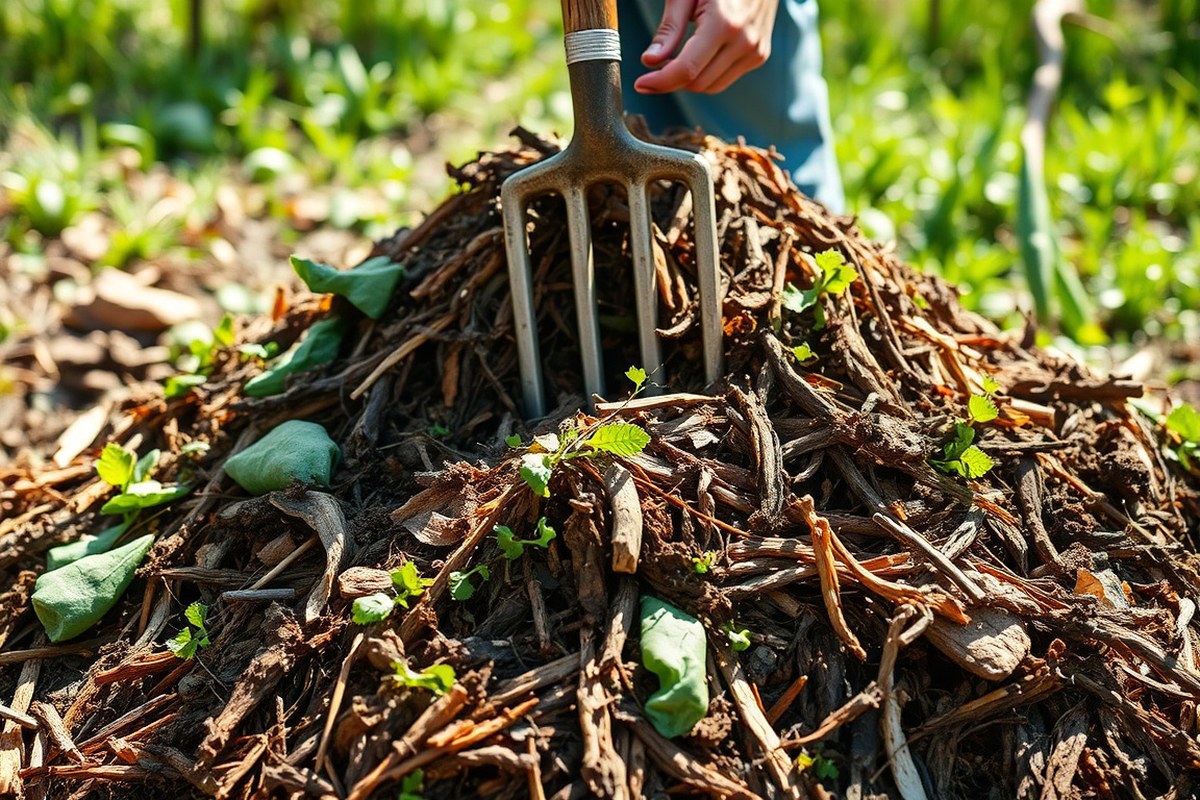
How Long Does It Take Compost to Break Down? A Complete Guide with Proven Tips
How long does it take compost to break down? The answer usually falls between six months and two years. This range depends on what you compost and how you manage the process.
Materials that break down quickly include fruit and vegetable scraps. Woody items take much longer.
The fastest composting happens with hot composting methods. Berkeley’s method can finish it in two to three weeks. These are the quickest ways to compost.
Slower methods, such as leaf or woody material composting, often take over a year. Mixing smaller pieces also speeds decomposition.
Keep your compost moist like a wrung-out sponge and balanced in green and brown materials. Checking the temperature and turning the pile helps speed things up and keeps it healthy. Avoid letting it dry out or become soggy because both slow the process.
Key Takeaways
- Use a compost thermometer to keep the pile between 130°F and 160°F for faster breakdown.
- Maintain moisture at 40 to 60 percent for the best composting conditions.
- Mix green nitrogen-rich and brown carbon-rich materials at about a 20:1 ratio.
- Hot composting can produce usable compost in 3 to 6 months.
- Worm bins usually take 6 to 8 weeks to make usable compost.
- Woody branches and whole leaves can take 1 to 2 years to decompose.
How Long Does Compost Typically Take to Break Down?

Compost breakdown times vary widely depending on the method you use. Active hot composting typically takes about 3 to 6 months to deliver usable compost. Under the right conditions, hot compost can finish fast.
Turning the pile often helps. Keep the temperature between 131°F and 160°F for 4 to 8 weeks.
Cold or passive compost piles take longer since they don’t retain heat well. These usually take between 6 months and 12 months. But slow decomposition can stretch the process up to 2 years.
Worm composting systems produce decent compost in about 6 to 8 weeks. But most gardeners harvest worm castings every 3 to 6 months.
Tree branches and large woody materials can take years. So it’s best to remove or shred them before composting.
Here’s a simple guide to compost times by type. Hot compost takes about 3 to 6 months. Use this to plan your garden work.
Cold pile, 6 to 12 months or more. Worm bins, 6 to 8 weeks for some results. But regular harvests every few months.
Tumblers fall somewhere between cold and hot piles depending on use and management. Pick a method based on how fast you want compost.
Hot compost needs effort like turning and checking often. This helps you get good results.
What Factors Most Affect Composting Speed?

Moisture Level Controls Microbe Activity
Compost needs the right amount of water to break down properly. Aim for moisture like a wrung-out sponge, not too dry, not soggy. Your pile too wet pushes oxygen out and slows down decay.
Too little moisture stops microbes from working well. Check moisture by squeezing compost.
A few drops of water coming out means the moisture is right. Add water during dry spells or mix in dry brown materials if it’s too wet.
Stay Warm for Faster Breakdown
Temperature greatly affects how fast microbes break down materials. Hot composting works best between 130 and 160°F to speed up the process. Keep the pile large enough, at least 3x3x3 feet, to hold heat.
Cold or small piles break down slowly. Use a compost thermometer to monitor heat.
Cooler than 130°F? Turn your pile or add manure to warm it up.
Balance Carbon and Nitrogen Right
The carbon-to-nitrogen ratio controls how fast compost breaks down. Aim for about 30 parts carbon to 1 part nitrogen. Too much carbon, like dry leaves, slows microbes because they lack nitrogen to reproduce.
Add green materials like fresh grass clippings or kitchen scraps to balance high-carbon stuff. Nitrogen-rich inputs like manure add protein for microbes.
They also keep moisture balanced. This helps the compost break down faster.
Size and Aeration Help Microbes Breathe
Smaller pieces of organic material break down faster because microbes can work more easily. Shredding leaves or chopping food scraps exposes more surface area for decomposition. This can speed things up five to ten times.
Oxygen is also important. Microbes need air to do their job, so good aeration is key. Turn your pile often to add air.
Add bulky material like straw. This keeps air pockets inside the compost.
Pile Size and Shape Affect Heat and Moisture
Big compost piles retain heat and moisture better than small ones. Piles smaller than about 3 feet cubed lose warmth quickly, which slows breakdown. Keeping a big, roughly cubic pile speeds the process.
Shape matters too. Taller piles hold heat well but may trap moisture. Press down the top if soggy.
Turn it over if too dry inside. Either helps balance moisture.
Check moisture regularly by squeezing a handful. It should feel damp but not wet enough to drip.
Common Composting Methods and Their Breakdown Times
Composting speed changes a lot with the method you pick. Hot composting is the fastest but needs close care. Cold composting takes much longer and is simpler.
Vermicomposting and the Berkeley method offer quicker options but need special setups. Tumblers give you faster results than piles or bins if you turn them often.
Hot Composting and Its Speed
Hot composting relies on bacteria that work best between 130 and 160°F (55, 71°C). You need a big, insulated pile around 5x5x5 feet or insulated bins to hold this heat. Keeping the pile moist and turning it every few days keeps the process going fast.
A hot compost pile can turn your scraps into mulch in as little as 2 weeks. But usually takes 3 to 4 months for good garden-ready compost. It matters if you want fast results for planting or mulching.
Vermicomposting Timelines
Worm composting breaks down scraps fast since worms and microbes do the work. Smaller pieces break down quicker because worms don’t have to chew as much. You can get usable compost in about 2 to 3 months.
Keep feeding and watering your pile regularly. This helps the compost break down well.
This method works well indoors or outside in mild climates. Your worms will need bedding and a balanced diet of green and brown scraps. Vermicomposting suits gardeners wanting nutrient-rich castings without big piles heating up.
Berkeley Method: Fast Breakdown
The Berkeley method uses hot composting principles, layering materials carefully, and turning often. It can produce finished compost in about 18 days. That’s far faster than normal hot compost piles that take months.
It needs daily turning and monitoring moisture and temperature levels. Ideal for gardeners who want quick results and don’t mind daily work turning the pile.
Compost Tumblers and Bins
Tumblers speed up compost by letting you turn the pile easily and often. Balanced tumblers can give ready compost in 2 to 4 months. They keep materials aerated without shoveling.
Bins and static piles take longer, especially if you don’t turn them. Insulated bins like HotBin keep heat in, helping speed up breakdown. Tumblers are best for smaller gardens or quick results.
Here’s a comparison table to show typical compost times and conditions:
| Method | Typical Breakdown Time | Key Conditions |
|---|---|---|
| Hot Composting | 2 weeks, 4 months | 130, 160°F, Large insulated piles, moist, frequent turning |
| Cold Composting | 6 months, 2+ years | No heat buildup, piles left undisturbed, moist |
| Vermicomposting | 2, 3 months | Worms present, small pieces, moist bedding, balanced scraps |
| Berkeley Method | About 18 days | Daily turning, layered materials, moisture and heat monitored |
| Compost Tumblers | 2, 4 months | Easy turning, balanced load, moist materials |
Choose a method that fits your time and effort. It helps you get compost when you need it. Matching your method makes the process smoother.
Hot methods and tumblers save time but need more frequent work. Cold composting waits it out with less effort.
Which Materials Break Down Fastest or Slowest?
Materials like fresh vegetable scraps, fruit peels, and grass clippings break down fastest in compost. They usually decompose within a few weeks to a couple of months when conditions are right. Woody materials like branches and twigs take a long time to break down.
They can take up to two years if left whole. Breaking them speeds up the process.
Shredding or chopping bulky items speeds up composting noticeably. Smaller pieces offer more surface area to microbes, helping them work faster. You can shred leaves with a lawn mower.
Chip branches with a wood chipper. Cut smaller pieces by hand using pruners.
Some materials take much longer because their structure holds up against microbes. For example, whole leaves or woody debris resist breaking down and tie up your compost pile. Preparing these by shredding or chipping helps much more than just tossing them in whole.
- Vegetable scraps and fruit peels: break down in weeks
- Grass clippings: compost quickly within 1, 2 months
- Shredded leaves and soft garden waste: decompose fast
- Whole leaves and woody twigs: take 1, 2 years or more
- Wood chips and branches: need chipping to speed breakdown
- Paper and cardboard: shred and moisten for quicker decay
Cutting materials smaller not only speeds decomposition but also helps keep your compost pile even. You want pieces generally less than 2 inches across so microbes reach inside easily. Bigger bits slow the process and can cause unfinished compost.
Think about your time and tools before you shred a big batch. For a few plants’ waste, hand-cutting works well and costs nothing. Having lots of woody debris?
Renting a chipper once a year saves months. It helps the materials break down faster. Smaller pieces also help keep your pile warm and active, which makes compost better and faster.
How Can You Tell When Compost Is Finished and Ready?
You can tell compost is ready when it looks crumbly and dark brown. It should feel cool or slightly warm to the touch. Most importantly, the smell changes to a fresh, earthy scent like forest soil after rain.
Sharp, unpleasant odors or ammonia smells mean the compost isn’t finished. In that case, it still needs more time to break down. You might also notice recognizable bits of food or plant matter if it’s not ready.
After hot, active composting, the pile needs a curing stage. This lasts for 2 to 4 weeks. It helps make the material stable and ready to use.
Some gardeners wait up to 2 months for curing. This phase lets microorganisms finish breaking down tough bits and reduces the chance of harming plants.
To test if compost is ready for different uses, you can do a simple seed test. Plant a few quick-germinating seeds like radishes or lettuce in the compost.
Sprouting well means your compost is safe to use in gardens. Poor growth or dying plants show your compost needs more curing.
Finished compost should blend easily with soil and not form clumps or feel sticky. It works well as a soil amendment for flower beds, vegetable gardens, and houseplants. Avoid using unfinished compost directly on young plants, as it can burn roots.
Avoid rushing compost use; unfinished compost can harm plants or attract pests.
Checking how the compost smells and looks is your best guide. Keep an eye on its texture and color. Use the seed test for extra confidence before planting sensitive crops.
Practical Steps to Speed Up Compost Decomposition
Speeding up compost happens mainly by controlling moisture, combining materials properly, and turning the pile regularly. These actions keep the microbes active and the pile oxygen-rich. Using a few simple steps can cut decomposition from years to months or even weeks.
Shredding and Sizing Materials
Chopping materials into smaller pieces speeds up breakdown by increasing surface area for microbes. Pieces around 1 to 2 inches work best. Bigger chunks take much longer to decompose and can slow the whole pile.
Fruits, vegetable scraps, dried leaves, and wood chips all break down faster when shredded or chopped. This also helps your pile heat up faster. Consider using a garden shredder or hand tools.
Maintaining Moisture Levels
The compost should feel like a wrung-out sponge, not soaking wet or dry. Aim for about 40 to 60 percent moisture. Too wet slows decomposition by cutting oxygen; too dry stops microbes from working.
Check moisture by squeezing a handful of compost. It should hold together but drip no water. Add water through gentle spraying if dry or add more dry brown materials if wet.
Turning and Aerating the Pile
Turning the compost every 1 to 2 weeks introduces oxygen and helps keep microbes active. Without enough air, your pile can get smelly and slow down. Use a pitchfork or compost aerator tool to mix well.
After turning, the pile should heat up again. If it stays cool, it might mean the pile needs more green materials or moisture. Keep an eye on smells and temperature as you turn your pile regularly.
Balancing Green and Brown Materials
The right balance of green and brown materials sparks fast composting. Aim for about two parts greens (high nitrogen) to one part browns (high carbon). This ratio feeds microbes properly.
Greens include grass clippings and food scraps like fruit and vegetable peels. Browns are dried leaves, straw, and shredded paper.
Too many browns dry out the pile and slow things. Too many greens make it smelly and soggy.
Mix these materials as you build or add to the pile to keep that balance steady. This gave gardeners compost in weeks instead of months.
- Chop or shred all materials to 1-2 inch pieces for faster breakdown.
- Layer your bin starting with brown materials at the bottom for airflow.
- Add two parts green materials followed by one part brown on top.
- Moisten the pile to feel like a wrung-out sponge, spraying water gently.
- Turn the pile every 1-2 weeks using a pitchfork to add oxygen.
- Monitor moisture and adjust by adding water or dry browns as needed.
- Keep repeating the layering and turning process until compost is dark and crumbly.
Common Composting Mistakes That Slow Breakdown and How to Fix Them
Moisture is one of the biggest reasons compost breaks down slowly. Your pile may feel dry. Add water evenly, about 1 gallon per cubic foot.
Soggy piles that smell bad need dry materials mixed in. Use shredded newspaper or straw to soak extra water and add air.
Poor airflow also stalls your compost. When the pile is compacted, air can’t reach microorganisms that break down waste.
Turn the pile every week or two using a garden fork or compost aerator. This loosens the material and speeds up decomposition.
Using the wrong materials can create issues too. Avoid adding meat, dairy, or pet waste as they attract pests and cause odors. Use a mix of green materials high in nitrogen.
Add brown materials like dried leaves or straw rich in carbon. This keeps the balance right.
- Keep moisture at 40-60% by feeling the compost (like a wrung-out sponge).
- Avoid compacting; turn the pile every 1-2 weeks for fresh air.
- Balance green and brown materials to help microbes work well.
- Never add meat, dairy, or pet waste to prevent bad smells.
- Introduce red wigglers for better breakdown in worm bins or small piles.
- Adjust pile size to keep heat between 110°F and 160°F for activity.
Sour or rotten smells usually mean your compost is too wet or lacks air. Mix in dry browns and stir the pile to fix this. Adding worms, especially red wigglers, can also revive slow compost by breaking down materials faster.
Worms need moisture and a steady temperature. So keep the pile damp but not soaked and avoid freezing temperatures. In colder seasons, smaller bins indoors or insulated composters help keep conditions stable for faster decay.
How Seasonal and Environmental Conditions Affect Breakdown Time
Compost breaks down slower when temperatures drop below 50°F (10°C). Microbes that do the decomposing become less active in cold weather. You may notice your pile barely heats up during late fall and winter.
Wet weather can also slow decomposition, especially if water fills air spaces in the compost. Excess moisture cuts off oxygen, which microbes need to work well. Your pile can smell bad in rainy seasons.
It may also get soggy. This happens if you use a spot without good drainage.
In cold seasons, add bulky, dry materials like small branches or straw to keep air flowing. Turning your pile more often also helps by mixing in fresh oxygen. You can insulate your compost bin using foam boards or straw bales to keep heat inside.
In wet seasons, cover your compost with a tarp or use a bin with a lid. This stops too much water from getting in while still letting air flow. Make sure the pile drains well and isn’t sitting right on wet soil.
In warm weather, microbes work faster, so check moisture often. The ideal moisture level is like a wrung-out sponge, around 40 to 60 percent.
Too dry, and microbes slow down. Too wet, and decomposition gets stinky and slow.
Keep moisture steady through changing seasons. Add water if too dry. Add dry materials if it gets too wet.
This will keep microbes happy and active throughout the year. Compost breaks down in weeks during summer.
It slows to months when cold or wet. Temperature and moisture affect how fast.
Keep your compost from getting too soggy. Excess water stops air flow and slows microbes.
Step-by-Step Action Plan for Faster Composting
Follow these easy steps to start composting and speed up the breakdown process.
- Before you start: Gather green materials like vegetable scraps. Also, collect brown materials such as dry leaves. Mix them well before composting. This balance helps your compost break down faster.
- Day 1: Build your compost pile in layers, alternating greens and browns. Check that it stays moist, like a wrung-out sponge, to keep microbes active.
- Week 1: Turn the pile every 2 to 3 days. This adds oxygen and speeds up decomposition. The pile should feel warm inside, showing it’s working.
- Week 2: Monitor moisture and temperature. Add water if too dry or throw on more dry material if too wet. Aim for 130-160°F to kill seeds and pests.
- Weeks 3 to 4: Keep turning the pile weekly. Shrinking size and dark, crumbly texture signal progress. Bad smells signal too many greens. Add more brown materials and turn your pile often.
- After 4 weeks: Stop turning to let compost cure. Finished compost looks dark and earthy, without recognizable scraps.
- After 6 to 8 weeks: Use the compost in your garden. It should feel light and crumbly and feed your plants well.
Frequently Asked Questions
How Long Does Compost Take to Break Down in a Tumbler?
Compost in a tumbler usually takes about 2 to 4 months. Tumblers speed decomposition by improving aeration and mixing. Turning it regularly helps break down materials faster.
Can Small Wood Chips Compost Faster Than Large Branches?
Yes, small wood chips break down much faster than large branches. Large branches might take years to break down completely.
Chips can compost in a few months. They need to stay moist and be mixed well.
Does Adding Garden Soil Speed Up Composting?
Adding garden soil can introduce helpful microbes and speed up the process. Just a thin layer mixed in helps jump-start decomposition without damaging your pile’s balance.
Should You Shred Plant Material Before Adding It to Compost?
Shredding plant material helps it break down faster in compost. Smaller pieces expose more surface to microbes, so they work quicker. Larger chunks take longer and slow the overall process.
Can Compost Break Down in Winter Without Turning?
Compost slows down a lot in winter, especially if not turned. Cold temperatures freeze microbes, so breaking down takes longer until warmer weather returns.
Is Finished Compost Always Dark and Crumbly?
Finished compost is usually dark, crumbly, and earthy smelling. Big, recognizable bits mean it needs more time or curing. This helps get it ready for best use.
Wrapping Up
Compost usually takes between 1 to 3 months to break down fully, depending on your methods. Keeping the right balance of materials and turning the pile helps speed it up. Start your pile today and watch your waste turn into garden gold.