
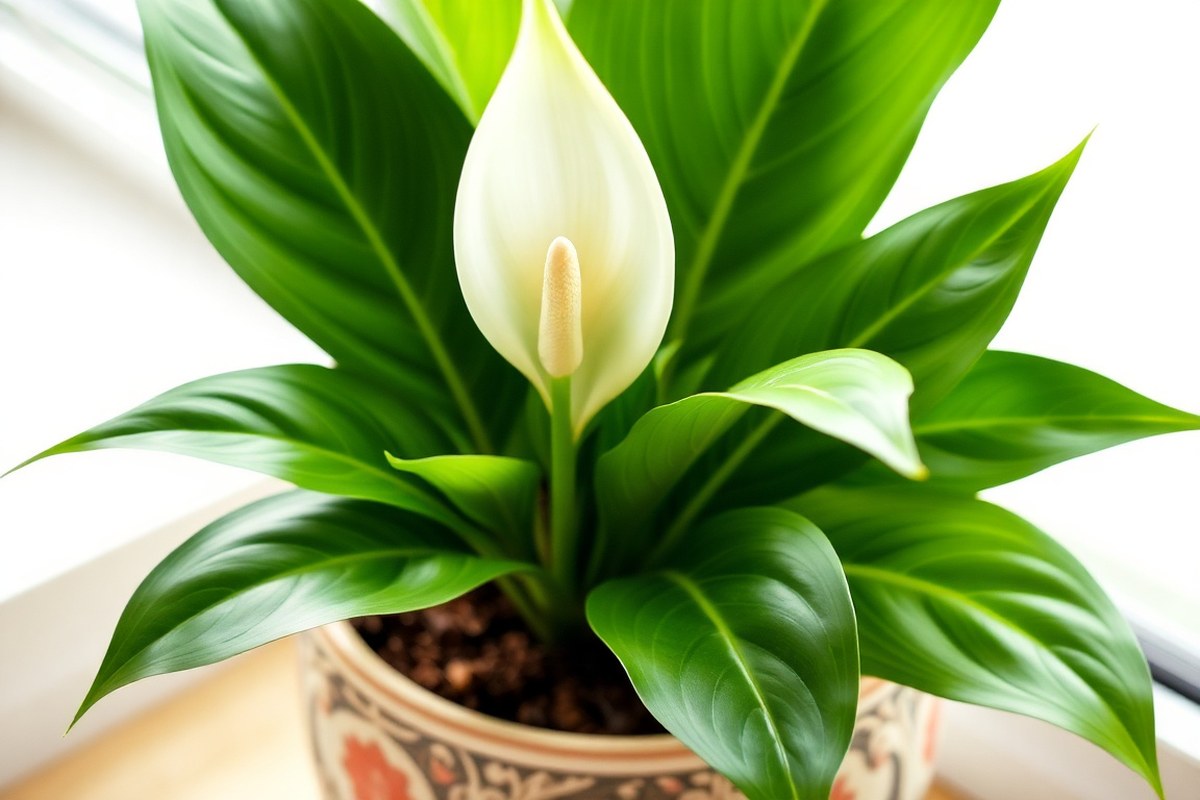
How Much Water Does a Peace Lily Need? A Complete Guide with Proven Tips
How much water does a peace lily need? You should water it when the top 1 to 2 inches of soil feel dry. Keep the soil moist but never soggy; that balance is key to healthy growth.
Check the soil by pressing your finger down about two inches. Check the soil dryness at the plant’s depth before watering.
Hold the pot to see if it feels light. Only water the plant when both conditions show dryness.
In warmer months, peace lilies need water more often, about every 3 to 5 days. Cooler seasons slow evaporation, so watering every 7 to 12 days usually works well.
Pay attention to soil moisture, not just a fixed schedule. That helps avoid over- or underwatering which can stress this tropical plant.
Key Takeaways
- Let the soil’s upper 1 to 2 inches dry out before watering peace lilies. Keep an eye on soil texture to decide when it’s thirsty. Give the plant water only after the topsoil feels dry.
- Keep soil moist but avoid letting it become soggy or waterlogged.
- Check if the pot feels noticeably lighter before watering again.
- In summer, water every 3 to 5 days depending on soil dryness and light.
- Water less often in winter, roughly every 7 to 12 days to match cooler temperatures.
- Use a finger test to check soil moisture instead of fixed watering schedules.
How Much Water Does a Peace Lily Actually Need?

Peace lilies don’t need a fixed water volume. They need enough water to fully soak their roots and let the excess drain out. A good method is to water your plant slowly.
Keep watering until water starts draining from the pot’s holes. This shows the plant has enough water.
Pot size matters for the water amount. Smaller pots hold less soil. So they dry out faster and need less water per watering.
Larger pots hold more soil and need more water to reach deep roots. Soil type and room humidity also change how quickly the pot dries.
The amount you give depends on how dry the soil is and how often you water. Watering isn’t about volume; it’s about fully soaking the soil every time you water. The table below shows typical pot sizes and how much water usually leads to good drainage.
| Pot Size | Typical Soil Volume | Water Amount per Watering | Drainage Expected |
|---|---|---|---|
| 4-inch pot | 0.5 quart | 0.5 to 1 cup (4-8 oz) | Clear water starts draining within 30 seconds |
| 6-inch pot | 1 quart | 1 to 1.5 cups (8-12 oz) | Drainage begins within 1 minute |
| 8-inch pot | 2 quarts | 1.5 to 2 cups (12-16 oz) | Drainage takes about 1 to 2 minutes |
| 10-inch pot | 3 quarts | 2 to 3 cups (16-24 oz) | Drainage starts within 2 to 3 minutes |
Always check that water runs out the drainage holes. This flushes salts and ensures the roots get enough water.
Stop watering once you see the drainage. Overwatering can happen if soil stays soggy for long.
Be patient when watering. Pour water slowly to let it soak deeply. Fast pouring can flood roots without moistening all the soil.
Adjust water amount by pot size and the dryness of the top inch of soil. This keeps your peace lily happy and healthy.
When to Water Your Peace Lily: Key Soil and Plant Signs

Check your peace lily’s soil to know when to water. Push your finger about an inch deep into the soil.
When the soil feels dry at that depth, water the plant. A moisture meter helps, too, if it reads two or three, watering is due.
Watch your peace lily for signs it needs water. Drooping leaves are a clear signal the plant is thirsty. The leaves may look limp, not just bent.
You can also lift the pot. When the soil feels unusually light, it probably needs water.
Morning is the best time to water your peace lily. It gives the plant time to absorb water before warmer parts of the day. Watering in the evening risks fungal problems because moisture can linger too long.
- Touch the top inch of soil for moisture.
- Use a moisture meter to check soil dryness.
- Look for drooping or limp leaves.
- Pick up the pot to feel its weight.
- Water early in the morning for best results.
- Use room temperature water to avoid shock.
- Water slowly until water drains from the pot bottom.
Don’t wait until the leaves turn brown or crispy. Water as soon as the leaves start to droop. This helps keep your plant healthy.
Dry soil means your plant needs water, but soggy soil is a warning sign. When leaves droop but soil is wet, stop watering. Let the soil dry out a little before watering again.
That helps avoid root problems. Watching your peace lily daily helps you catch these signals early and keep your plant healthy.
How Often Should I Water My Peace Lily? Frequency by Season and Light
Peace lilies need more water in warm months when their growth speeds up. In spring and summer, check the soil about once a week. Water the plant if the top 2 inches feel dry.
This helps keep your peace lily healthy. When fall and winter come, your plant gets less light.
The air also gets cooler. Slow down on watering during this time.
Light exposure changes how fast the soil dries. A peace lily near a south-facing window can dry out fast. It may need water after just 3 to 4 days in summer.
Check the soil often there. In lower light or shaded spots, watering every 8 to 12 days might work better. Temperature also affects frequency: warmer rooms dry soil quicker than cooler ones.
Indoor humidity plays a role too. Your peace lily in a humid bathroom needs less water. Watering less often helps the soil avoid getting soggy.
This keeps roots healthy. Air conditioning or dry rooms pull moisture out faster.
So you’ll need to water a bit more often there. Adjust watering by watching the soil and pot weight for the best timing.
| Season | Frequency Modifier | Typical Interval | Notes |
|---|---|---|---|
| Spring / Summer | Normal (1.0x) | Every 5, 9 days | Active growth, check soil weekly |
| Fall | Reduce 20% (+2 days) | Every 8, 12 days | Growth slows, soil dries more slowly |
| Winter (Dormant) | Reduce 40% (+4 days) | Every 10, 16 days | Minimal growth, avoid overwatering |
Here are watering tips by indoor environment. Normal homes need the base water amount and frequency. In dry rooms with AC, use about 25% more water.
Check the soil 1 or 2 days earlier than usual. This keeps your peace lily moist enough.
High-humidity spaces let you water 2, 3 days less often. Outdoor peace lilies in shade dry faster and need roughly 15% more water.
Top Watering vs Bottom Watering: Which Method Works Best?
Watering peace lilies works best if you pick the right method. Choose based on the soil and plant condition. This helps your plant stay healthy.
Top watering is great for quick hydration and salt removal. Bottom watering shines when the soil won’t absorb water from above. Soaking helps rehydrate deeply.
Top Watering: How and When to Use It
Top watering means pouring water straight onto the soil surface. It wets the whole root ball and flushes away built-up salts. Use this when the top inch of soil feels dry and the plant looks thirsty.
Pour water slowly until it drains out the pot’s bottom. This usually takes a few minutes. Use about 4 to 6 ounces for a small pot.
That amount is enough for proper watering. Make sure you empty the saucer within 30 minutes to avoid root rot.
This method works well if your peace lily needs quick water or soil isn’t compacted. Avoid this if the soil repels water.
Also skip if the soil drains too fast. You could waste water or stress the roots.
Bottom Watering: Soaking from Below Explained
Bottom watering involves placing the pot in a shallow container of water. The soil draws water up through drainage holes. Use this method when water runs down the inside pot wall.
This means the soil is not absorbing water well. It helps water reach the roots.
Fill a saucer or pan with about one inch of room-temperature water. Let the pot sit for 15 to 30 minutes for the soil to soak evenly. Remove and drain the pot thoroughly after soaking.
This method helps with compacted or water-repellent soil. It avoids over-wetting the surface and allows roots to take in moisture as needed. Don’t leave the pot sitting too long or roots could drown.
Soaking Method: Best Practices and Timing
Soaking means fully immersing the peace lily’s pot in water for a period. It’s useful when the soil is very dry or has stopped taking water from above. Use a bucket or sink filled with an inch of water for soaking.
Place the pot in the water for 15 to 30 minutes. Check to see if air bubbles stop rising, signaling the soil is fully wet. Take the pot out and empty any excess water from the saucer immediately.
Soaking rehydrates stubborn soil mixes well. Avoid frequent soakings to prevent root problems. Use it to help dry plants recover.
Also try after bottom watering if the soil still looks thirsty. It gives the roots needed moisture.
How to Check Soil Moisture Accurately for Peace Lilies
Use your finger, a wooden skewer, or a moisture meter. These tools help you check soil moisture in your peace lily. Each method shows how wet the soil is.
Each method helps you decide if the soil needs water. Checking at the right depth matters to avoid overwatering or underwatering.
Using Your Finger to Check Soil
Push your finger 1 to 2 inches into the soil near the stem. Note if it feels dry, damp, or wet. This is a quick way to check without tools.
The soil’s top inch should be dry before watering your peace lily. If it feels damp, wait one or two days. Check the soil again before you water.
- Place your finger gently on the soil surface.
- Insert it down to about one to two inches.
- Pull your finger out and feel the moisture on your skin.
- The soil feels dry, so you should water your peace lily soon.
- The soil feels damp, so wait one or two days before watering.
- Repeat this finger test regularly to avoid over or under watering.
Always use clean hands to avoid spreading bacteria or fungi to your plant.
Testing Soil with a Wooden Skewer
A wooden skewer or bamboo stick can check deeper moisture levels in the soil. It’s useful if you want to see if water reached the roots. This method costs nothing and works well for peace lilies in bigger pots.
Insert the skewer straight down about two to three inches into the soil. Leave the skewer in the soil for 10 to 15 minutes.
Pull it out and see if the wood is damp or dry. Also check if soil sticks to the skewer.
- Find a clean wooden skewer or similar stick.
- Push it vertically into the soil about two to three inches deep.
- Leave it in place for 10 to 15 minutes.
- Pull the skewer out slowly and examine the tip.
- The skewer tip with moist soil or dark marks means the soil is moist.
- A dry or clean skewer tip means your peace lily needs watering.
A dry skewer tip usually means the roots have not received enough water.
Understanding Moisture Levels at Different Depths
Checking soil moisture only at the surface can mislead you. Peace lilies like the top inch to be dry before watering.
But deeper layers should stay moist. Twist your finger or tool gently to feel moisture at root level.
Low light slows water evaporation, so soil stays wet longer. Check deeper layers to avoid root rot.
In high light, the soil dries faster. Test both shallow and deep spots for best results.
Water your peace lily only when the top inch is dry. The soil below should still hold some moisture before watering. Consistently wet soil risks damaging roots, while dry roots stress the plant.
- Insert your finger or moisture meter about one inch into the soil.
- Note if this top layer feels dry or damp.
- Push deeper down, about two inches, to check root zone moisture.
- Compare moisture levels at both depths.
- Water only if the top inch is dry and the lower soil is not moist.
Moist soil near roots with dry surface means your watering routine is balanced.
Signs of Overwatering and Underwatering to Watch For
Leaves drooping is a key sign your peace lily needs attention. Too much water often causes yellowing and soggy soil.
Too little water results in dry, crispy leaf edges. Both problems make the plant look sad and slow its growth.
Overwatering blocks the roots from breathing and causes root rot. Underwatering starves the roots and stresses the plant. Watch the soil moisture as your guide.
Let the top inch feel dry before watering again. Feel the soil gently with your fingers.
- Check if the soil stays wet for days, sign of overwatering
- Look for yellow leaves or a sour smell from soil, hinting at rot
- Feel for dry soil and drooping leaves, signs of underwatering
- Water through the pot drainage holes, letting excess water run out
- Remove yellow or brown leaves to improve plant health
- Choose soil that drains well and use pots with holes at the bottom.
- After watering, wait a few days before watering again
Spot overwatering by dead roots, cut them, and pause watering for a week. Clean the leaves gently with a damp cloth.
For underwatering, water thoroughly at the sink, allowing water to drain out. Then wait until the soil surface feels dry before watering again.
Keep the pot away from cold drafts or heaters that dry soil too fast. Remember, peace lilies like to be moist but not soggy. Regularly checking soil moisture and watching leaf condition keeps your plant happy and healthy.
Water Quality and Temperature: What Peace Lilies Prefer
Peace lilies do fine with regular tap water. But watch out for fluoride and chlorine.
These chemicals can cause leaf tips to brown. Your chlorinated tap water should sit overnight to let chlorine evaporate.
Rainwater or filtered water is the best choice if you can get it. They don’t contain the minerals and chemicals found in tap water. Using rainwater helps keep your peace lily’s leaves healthy and reduces the risk of brown tips.
Distilled water is also safe but not usually necessary. It lacks minerals, which might cause nutrient deficiencies over time.
Notice slow growth? Occasionally switch back to filtered or rainwater.
Keep the water temperature between 68 and 85 degrees Fahrenheit when watering. Water that’s too cold can shock the roots. Lukewarm water feels closest to the plant’s natural environment and helps avoid drooping leaves.
Minerals in tap water aren’t always a problem unless they build up in the soil. Over time, this buildup may affect root health and water absorption. Flush the soil with pure water every few months to prevent this.
A wilting peace lily after watering might mean root stress. Check the soil and roots for signs of rot or compaction. Roots need both moisture and oxygen to stay healthy.
For best results, collect rainwater in a clean container and use it within a few days. Keep your filtered water in a covered pitcher at room temperature. Avoid using water that’s been sitting out for weeks, as it can grow bacteria.
Use tap water in hard water areas with a household filter. Consider a simple water softener to help protect your plant.
These usually cost around $20 to $50 and improve water quality without big effort. The investment can keep your peace lily’s leaves looking green and fresh.
Adjusting Watering for Environment, Pot Type, and Plant Health
How much you water your peace lily depends on the pot type. The room’s humidity and how healthy your plant is also matter. These things change how often you need to water.
Pots that hold more soil keep moisture longer, cutting watering frequency. Dry or humid rooms change how fast soil dries.
When your peace lily looks stressed, adjust how you water right away. Check the plant and soil to decide what to do next.
Impact of Pot Size and Material on Watering
Bigger pots hold more soil and water. A 10-inch pot needs about 10 to 14 ounces every 5 to 8 days.
Smaller pots, like 4-inch ones, need about 2 to 3 ounces every 7 to 10 days. Clay pots dry out faster because they let moisture escape through the walls.
Plastic or glazed ceramic pots keep soil moist longer. That means watering less often. Always use pots with drainage holes to avoid water buildup, which can cause root rot.
A pot without holes needs changes before watering again. Repot your peace lily or make holes in the pot first.
Modifying Watering in Dry vs Humid Rooms
Dry indoor air speeds up soil drying. So you’ll water your peace lily more often. In low humidity, test the soil every 3 to 5 days to avoid overwatering.
Humid rooms slow moisture loss. So water less frequently and check soil only once a week.
Check the soil moisture about an inch deep with a meter or finger. Water only if the soil feels dry down there. To raise humidity, group plants or place a water-filled pebble tray nearby.
Watering Adjustments for Stressed or Drooping Peace Lilies
Drooping leaves usually mean the plant needs water, but could also mean overwatering. Dry soil means water carefully to avoid harming your peace lily. Use about half the usual amount to slowly rehydrate.
Soggy soil means you must pause watering your peace lily. Wait for the top inch to dry before adding more water.
During stress, water your peace lily slowly and evenly. Check pot drainage carefully to avoid water pooling. Adjust watering frequency based on plant size and environment until the leaves perk up.
Never water a peace lily in a pot without drainage holes to prevent root rot.
Step-by-Step Action Plan for Watering Your Peace Lily
Follow these steps to give your peace lily just the right amount of water. Watch your plant’s leaves and soil closely to check your progress.
- Day 1: Check the top inch of soil with your finger. When the soil feels dry, water the plant until water comes out. Leaves should perk up within a few hours.
- Week 1: Water your plant every 5 to 7 days in moderate light, adjusting by feel. Check the soil before each watering. Soil should never stay soggy.
- Week 2: Try watering from the bottom once this week. Place the pot in a tray with water for 30 minutes. This ensures deep root hydration. Avoid leaving it soaked longer.
- Week 3: Monitor leaf color daily. The leaves drooping or turning yellow means you should change watering. Adjust how often or how much water you give.
- Month 1: Assess your water quality. Use room temperature, filtered, or rainwater for best results. Avoid cold tap water to prevent shock.
- Month 1 and beyond: Adapt watering schedule based on season. Water less often during winter months and more in summer with higher light.
Frequently Asked Questions
How Much Water Does a Peace Lily Need Each Time You Water It?
Water your peace lily until the soil is evenly moist, but not soaked. Usually, this means watering until water runs slightly out of the pot’s drainage holes.
Can You Overwater a Peace Lily by Watering Too Often?
Yes, frequent watering can cause root rot because peace lilies like moist, not waterlogged soil. Always check the soil’s top two inches before watering again.
Does the Size of the Peace Lily Affect How Much Water It Needs?
Larger peace lilies typically need more water because they have bigger root systems. Adjust watering amount based on the plant’s size and pot volume.
Can Adding Water Slowly Prevent Overwatering a Peace Lily?
Pouring water slowly helps it soak evenly and prevents flooding the soil. This way, you avoid water pooling on the surface, which can harm roots.
What Happens If You Water a Peace Lily with Cold Water?
Cold water can shock the roots and stunt growth temporarily. Use room-temperature water to keep the plant comfortable and healthy.
Is It Better to Use Distilled Water or Tap Water for Peace Lilies?
Distilled water avoids chemicals but tap water is usually fine if it’s not too hard. Let tap water sit out first to reduce chlorine.
The Bottom Line
Peace lilies thrive with consistent but not excessive watering. Keep soil lightly moist and watch your plant’s leaves for clues. Start by checking soil moisture today and adjust from there.


