What Do Seeds Need to Germinate: Key Factors and Simple Steps for Success
What do seeds need to germinate? They need four key things: the right moisture, oxygen, temperature, and sometimes light.
Moisture kicks off the process by activating enzymes inside the seed. Oxygen lets the seed breathe and produce energy.
Temperature plays a big role, too. Most seeds like it between 60 and 75°F (15 to 24°C).
But some tolerate cooler or warmer soil. You should also know some seeds need a resting period after harvesting before they’ll sprout well.
Start by moistening your seed-starting mix without soaking it. Keep the soil warm but not hot.
Air should flow well to prevent mold. These simple steps help the seed get a good start on growing.
Key Takeaways
- Keep seeds moist but not waterlogged to avoid rotting.
- Ensure good airflow so seeds get enough oxygen during germination.
- Maintain soil temperatures between 60 and 75°F for most seeds.
- Store some seeds dry for 1-3 months before planting to boost germination.
- Cold stratify seeds like apple by chilling them in moist soil for weeks.
- Place seeds in a bright spot after sprouting to grow strong seedlings.
What Four Essential Conditions Do Seeds Need to Germinate?
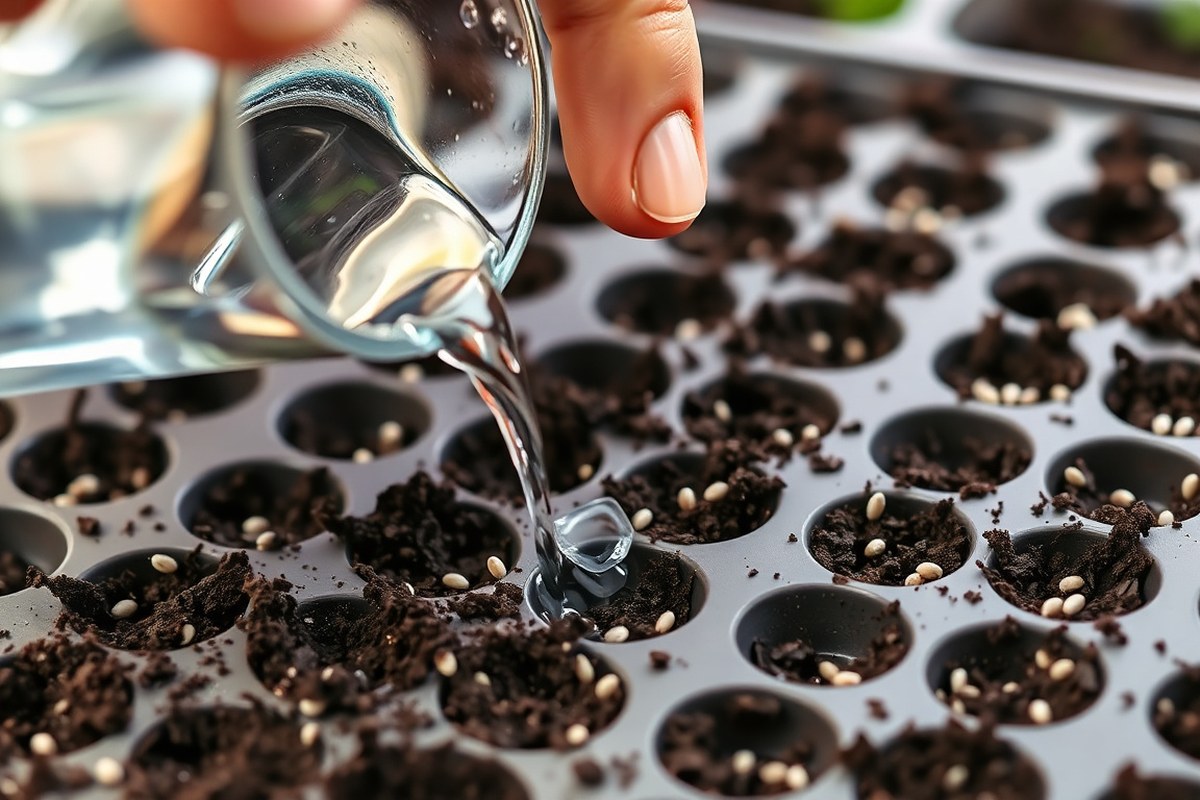
Seeds need four basic things to start growing: water, oxygen, the right temperature, and sometimes light. Water wakes the seed by softening its coat and activating enzymes inside. Oxygen helps the seed breathe so it can produce energy for growth.
The right temperature keeps the enzymes working properly without damage. Most seeds grow best between 60 and 75 degrees Fahrenheit. A few might need cooler or warmer soils, depending on the plant type.
Light matters only for some seeds. Many do just fine in darkness, while a few need light to begin sprouting. You can check your seed packet to know if your seeds want light or darkness.
Missing even one of these conditions often stops seeds from sprouting. Without water, the seed stays dry and inactive. Without oxygen, it can’t make energy and will die.
Wrong temperature slows or stops growth. Too cold, the seed’s metabolism shuts down. Too hot, the proteins inside get damaged.
Seeds with special light needs can fail to sprout. Too little light can block germination. Too much light can also cause problems.
These conditions differ depending on the seed species and where they come from. For example, tomato seeds like warmer soil around 70 to 85 degrees Fahrenheit. Lettuce prefers cooler ranges near 50 to 70 degrees.
Cold-loving seeds may even need chilling periods before germinating. Some require cycles of warmth and cold to break dormancy. Read seed packets carefully to learn what your seeds need.
Understand the species to help plants grow strong. This gives seeds the right signals to start growing.
How Water Activates Seeds: The Role of Imbibition and Moisture

Water wakes seeds up by soaking them in a process called imbibition. This swelling triggers enzymes inside the seed to start work. It jump-starts chemical changes needed for growth.
These changes prepare the seed to grow. The seed coat softens, making it easier for the embryo to break through.
Soaking seeds before planting helps tough seed coats absorb water faster and more evenly. Small seeds often don’t need soaking.
But some larger or harder seeds, like beans and peas, do. Soak them just long enough to swell but not long enough to risk rot.
Too much water cuts off oxygen to the seed in waterlogged soil. Without air, the seed can’t breathe and may start to rot or grow fungus. Keep the soil moist but not soggy.
This lets the seed take in oxygen and water. It helps roots develop strong and healthy.
To soak seeds properly at home, follow these steps:
- Choose clean, undamaged seeds for soaking; discard shriveled ones.
- Place seeds in warm water between 65°F and 75°F for better absorption.
- Soak seeds for a few hours to overnight depending on seed type, usually 6-12 hours.
- Drain the water and gently pat the seeds dry with a paper towel.
- Plant seeds immediately in moist, well-draining soil or seed starting mix.
- Keep the soil just moist by checking daily and watering lightly as needed.
- Avoid water pooling on soil to prevent drowning or fungal growth on seeds.
Don’t soak seeds more than 12 hours; prolonged soaking can cause them to rot.
Why Oxygen Is Critical During Germination and How to Ensure Seed Respiration
Seeds need oxygen to breathe as they start growing. Oxygen fuels cellular respiration, which turns stored food into energy. Without enough oxygen, seeds struggle to break down starch and sugars, slowing or stopping germination.
Waterlogged or compacted soil fills air spaces with water. This blocks oxygen access, causing seeds to suffocate.
Poorly drained soil often leads to mold, rot, or seeds dying underground. Proper soil mix lets air move through and around seeds.
Loose, well-draining seed-starting mixes work best. Additives like vermiculite or perlite create tiny air pockets.
These hold moisture but still allow oxygen flow. This balance helps seed roots push down and grow quickly.
| Soil Condition | Aeration Level | Oxygen Availability | Effect on Seeds |
|---|---|---|---|
| Waterlogged Soil | Poor | Very Low | Seeds may suffocate or rot |
| Compacted Soil | Low | Low | Germination slows or fails |
| Loose Potting Mix | Good | High | Seeds germinate faster and better |
| Soil With Perlite/Vermiculite | Excellent | Very High | Optimal oxygen supply for roots |
To improve oxygen, use light, well-draining seed mixes. Avoid heavy garden soil right in the pot.
Add perlite or vermiculite at 10-30% of the mix volume. These materials cost about $10 to $15 per 8-quart bag and last through many planting cycles.
Gently fluff or stir soil before planting seeds to loosen it. Avoid watering so much that soil becomes soggy.
Instead, water evenly to keep soil moist but not dripping. Good airflow around the container also adds oxygen to the seed zone.
Ideal Temperature Ranges and Their Effects on Germination Speed and Success
Seeds need specific temperatures to wake up their enzymes and start growing. Enzymes work faster at the right warmth, speeding germination.
Too cold or too hot. The seed slows down or stops growing, which lowers your chances of a healthy sprout.
Warm-season seeds and cool-season seeds differ mainly because of where they evolved. Cool-season plants like peas or spinach thrive in cooler soil.
Warm-season plants like tomatoes and peppers grow best in warm soil. Their natural climate helps them germinate faster at higher soil temperatures.
Here’s a table showing preferred temperature ranges for common seed types. It helps you pick the right spot and time to plant your seeds for best results.
| Seed Type | Preferred Temperature Range | Example Plants |
|---|---|---|
| Cool Season | Seeds like cool temperatures between 40°F and 65°F (4°C to 18°C). These cooler temps help some plants sprout well. | Peas, Spinach, Lettuce |
| Warm Season | Temperatures between 70°F and 85°F (21°C to 29°C) work well for many plants. Seeds that prefer warm conditions tend to sprout more quickly in these ranges. This warmth encourages faster growth for heat-loving plants. | Peppers, Tomatoes, Cucumbers |
| Hardy/Wild | Variable/Fluctuating | Many Native Wildflowers |
Seed enzymes slow down when temperatures drop below their best range. Germination becomes much slower in cold soil. The seed may stay dormant or take weeks longer to sprout.
Above the ideal range, enzymes can break down and seedlings may die or get weak. That’s why temperature swings can cause erratic germination, with some seeds sprouting and others not.
To control temperature, use seed trays indoors with heat mats during early spring. Check seed packets or reliable sources for ideal temps. Seedlings start showing roots faster and stronger when kept within recommended ranges.
Slow sprouting often means soil might be too cold. Check soil temperature before changing watering or light.
Do Seeds Need Light or Darkness to Germinate? Understanding Light Requirements
Seeds may need either light or darkness to start germination. Some seeds need light to trigger germination, while others sprout best in darkness. Knowing which your seeds need helps you plant them at the right depth.
Seeds That Require Light to Germinate
Light-sensitive seeds need some exposure to start sprouting. Lettuce and tobacco are classic examples that germinate only when they receive light. These seeds are called photoblastic seeds and often remain dormant in the dark.
These seeds require very shallow planting or none at all. Often, you press seeds into the soil surface gently.
Then cover with a very light dusting of soil. Avoid planting them too deep because they may fail to reach light and not germinate.
Seeds That Require Darkness to Germinate
Some seeds need complete darkness to start the germination process. Onion and violet seeds are among those that do best when buried. This darkness signals the seed that it is safely underground and ready to grow.
These seeds should be covered with soil to block out light. Planting depth depends on seed size.
But most require at least a thin layer or deeper to stay dark. Seeds planted too shallow may fail to germinate.
Seeds Indifferent to Light During Germination
Many seeds do not strongly depend on light or darkness for germination. Corn and beans are good examples that germinate both in darkness and with light exposure. For these, proper moisture and temperature matter more than light.
Planting depth for indifferent seeds usually follows size guidelines rather than light needs. Larger seeds go deeper, while smaller seeds are planted shallower. Proper drainage and soil texture also help these seeds germinate successfully.
Planting Depth Recommendations by Light Requirement
Choosing the right planting depth matches seeds’ light needs and size. A seed planted too deep may run out of energy before reaching sunlight. Cover seeds according to how light-sensitive they are to avoid germination problems.
| Seed Light Requirement | Examples | Planting Depth | Soil Covering Tips |
|---|---|---|---|
| Needs Light | Lettuce, Tobacco | Surface or lightly covered (< 0.5 cm) | Press seeds gently onto soil; avoid burying deeply |
| Needs Darkness | Onion, Violet | At least lightly buried (0.5, 1.0 cm) | Cover with soil to block light but not too deep |
| Light-Insensitive | Corn, Beans | Deeper (2, 3 cm depending on seed size) | Cover with firm soil for moisture retention |
Plant seeds in soil that matches these depth guidelines. Adjust soil covering to balance moisture and light exposure. Avoid piling too much soil on tiny seeds that need light.
Always check seed packets for specific light and depth recommendations to prevent failed germination.
Phases of Seed Germination: From Water Absorption to Seedling Establishment
Seed germination occurs through several steps. It begins with water absorption. Then metabolism activates inside the seed.
The seed coat breaks open. The radicle grows down.
The shoot starts to grow upward. Finally, the seedling establishes itself in soil.
- Absorb water to soften seed coat
- Activate enzymes and metabolism
- Break the seed coat
- Emit the radicle (root tip)
- Grow the plumule (shoot)
- Develop true leaves
- Establish roots and steady growth
Imbibition and Water Uptake
Dry seeds begin germination by absorbing water, a process called imbibition. Water softens the seed coat. This allows the seed to swell and prepares it for growth.
Water also activates enzymes inside the seed. Without enough moisture, the seed remains dormant. Soil moisture should be consistent but not waterlogged for good imbibition.
Activation of Enzymes and Metabolism
Once hydrated, enzymes break down food stored in the seed. These enzymes convert stored starches into sugars. Sugars give energy to support growth.
Hormones like gibberellins signal cells to start dividing and elongating. Respiration rates increase as metabolism restarts. This energy powers root and shoot growth.
Emergence of Radicle and Primary Root
The radicle is the first visible sign of germination. It breaks through the softened seed coat. This usually happens within a few days of planting.
The radicle grows downward into the soil. Gravity guides it toward moisture. It anchors the seedling and absorbs water and nutrients early on.
The seed coat often sheds around this time. Shedding allows the radicle to grow freely. Seeds with hard coats may take longer or need scarification.
Plumule and Shoot Development
After the radicle grows, the plumule emerges. The plumule includes the young shoot and future leaves. It grows upward toward light.
This stage follows radicle emergence by several days. The seedling’s shoot pushes through the soil surface. It unfolds leaves to start photosynthesis.
Seedling Establishment and Growth
True leaves develop as the shoot grows fully. Roots continue to branch and strengthen in soil. The seedling becomes independent by photosynthesizing its own food.
Healthy seedlings stand upright with green leaves. Stem and root growth must keep pace. Watch for stunted growth or yellowing as signs of issues.
Common Germination Problems: Causes, Identification, and Solutions
Seeds sometimes fail to sprout because of rot, mold, or dormancy. Rot happens when seeds sit too wet for days, causing decay.
Mold often appears white and fuzzy, especially in warm, damp spots without air. Dormant seeds don’t sprout even under good conditions, simply waiting for the right trigger.
Seedlings may not grow if the seed quality is poor. Soil health also affects seedling growth. Poor soil can stop seedlings from coming up.
Some seeds need more time, even with right moisture and heat. They can take 10 days or longer to start growing.
This delay is normal for some seeds. Lack of nutrients or improper watering can slow or stop seedling growth after they sprout.
Keeping moisture balanced is key. Overwatering creates conditions for rot and mold.
Too little water causes seeds to dry out and not sprout. Ensuring good airflow and using sterile seed-starting mix helps prevent fungus.
| Problem | Symptoms | Causes | Fixes |
|---|---|---|---|
| Seed Rot | Seeds look mushy, slimy, may smell bad | Too much water, poor drainage, cold soil | Use well-draining mix, water moderately, keep soil 65, 75°F |
| Mold Growth | White fuzzy patches on soil surface or seed | High humidity, low air circulation, overwatering | Water only when surface is dry, improve airflow, use fan |
| Poor Germination Rate | Few or no sprouts after expected time | Old seeds, dormancy, uneven moisture, improper temperature | Test seed viability, scarify or stratify if needed, keep steady warmth |
| Slow or Stalled Seedlings | Seedlings emerge but stop growing, yellow leaves | Nutrient-poor soil, inconsistent watering, low light | Feed seedlings lightly, water evenly, provide bright indirect light |
Mold and fungi thrive without air movement. Using a small desk fan gently over seedlings a few hours daily cuts risk.
Seedlings also need light as they grow. This discourages mold and supports strong stem growth.
Testing old seeds for germination helps avoid waste. Put 10 seeds on a damp paper towel. Keep the towel warm.
Check for sprouts after 7 to 10 days. Less than half sprouting usually means buy new seed or use treatments.
How to Germinate Seeds Successfully: Practical Tips and Best Practices
You can boost seed germination with a few simple steps. Soak seeds first, then plant at the correct depth. Keep soil evenly moist for the best results.
Use proper temperature and light to help seedlings grow strong. Monitoring daily ensures you catch issues early.
Soaking and Pre-Treatment Methods
Soaking some seeds in water speeds up germination by softening their outer shell. Soak seeds for 4 to 12 hours depending on seed size and hardness. Avoid soaking for more than 24 hours to prevent rot.
Scarifying or nicking thick seed coats helps water enter and improves success. Use a nail file or sandpaper gently. Always rinse seeds after soaking or scarifying before planting.
Choosing the Right Container and Soil
Select containers with drainage holes to prevent water buildup and mold. Small pots, seed trays, or peat pellets work well. Clean containers reduce disease risks during germination.
Use a light, sterile seed-starting mix rather than regular garden soil. Seed mixes cost around $10 to $15 per bag and hold moisture while allowing air flow. Avoid heavy or clay soils that can suffocate seeds.
Planting Depth and Spacing Tips
Plant seeds at about 2 to 3 times their width in depth. Small seeds get buried less deeply. Large seeds need deeper soil to support root growth.
Seed packets usually list recommended depth and spacing. Space seeds far enough apart so seedlings don’t crowd each other after sprouting. This helps proper airflow and nutrient access.
- Check seed packet for exact depth instructions
- Use a ruler or finger width to measure depth
- Place larger seeds deeper than smaller seeds
- Leave enough room between seeds for growth
- Cover seeds gently with soil without packing hard
Planting too deep or too shallow often prevents seeds from sprouting properly.
Watering and Moisture Management
Keep soil consistently moist but not soggy during germination. Use a spray bottle or gentle watering can to avoid washing seeds away. Cover trays with plastic wrap or a dome to hold humidity.
Check soil daily and water lightly when surface feels dry to the touch. Overwatering causes seeds to rot and under watering stops germination. Moisture matters most until seedlings emerge.
Fertilizer is not needed before seedlings develop leaves. Young seeds rely on stored nutrients in the seed itself. Adding fertilizer too early may damage fragile roots.
Providing Appropriate Temperature and Light
Maintain soil temperatures between 65°F and 75°F for most seeds. Use heating mats or place trays in a warm spot. Cooler temperatures slow germination or stop it completely.
Once seedlings appear, provide bright, indirect light for 12 to 16 hours daily. Use grow lights if natural light is limited. Proper light prevents seedlings from getting leggy and weak.
Step-by-Step Action Plan for Germinating Seeds
Follow these steps to give your seeds the best start. Each step shows when to act and how to check progress.
- Before planting: Choose quality seeds based on your climate. Check the seed package for details on light and temperature needs.
- Day 1: Soak seeds in lukewarm water for 12 hours if recommended. Seeds should swell, showing they absorbed enough moisture.
- Day 2: Plant seeds in well-draining soil. Keep soil moist but not soaked; press lightly to ensure good seed-to-soil contact.
- Day 3 to Day 7: Keep soil temperature steady between 65°F and 75°F. This range fits most seeds. Adjust to your seed’s specific needs. Check daily for signs of sprouting.
- Week 1: Ensure good airflow around the soil surface. Avoid standing water to keep seeds oxygenated and prevent rot.
- Week 2: Provide light or darkness based on seed type. Most seed packets tell you if light is needed to trigger germination.
- After sprouting: Give seedlings more light little by little. Water them less often. This helps them get strong and healthy.
Frequently Asked Questions
What Do Seeds Need to Germinate?
Seeds need water, oxygen, and the right temperature to start growing. They also often need light or darkness depending on the type of seed.
What Four Things Does a Seed Need to Germinate?
Seeds need water to start growing. They use oxygen for respiration.
They also need the right temperature and sometimes light. These factors work together to help the seed develop.
What Three Things Does a Seed Need to Germinate?
Seeds require water, oxygen, and an appropriate temperature to begin germination. These are the basics that support seed metabolism and growth.
Does Baking Soda Help Seeds Germinate?
Baking soda does not improve seed germination. It can alter soil pH and harm seedlings. So it’s best to avoid using it.
Is It Better to Germinate Seeds in Water or Paper Towel?
Paper towels give better control over moisture and oxygen than water. Most seeds sprout faster this way, usually in under a week.
Why Do Some Seeds Need a Cold Period Before They Germinate?
Some seeds require cold storage for 1-3 months to break dormancy and start growing. This mimics natural winter conditions.
Wrapping Up
Seeds need water, oxygen, the right temperature, and sometimes light to sprout. Creating these conditions carefully leads to successful germination. Start a small batch today and watch your plants begin to grow.