What Is Stigma in a Plant? A Complete Guide to Its Role and Types
The stigma is the top part of a flower’s female organ that catches pollen. It is often sticky or feathery, helping pollen grains stick and start germination. This tip is key for fertilization and seed production in flowering plants.
The stigma sits at the end of the style and connects to the ovary below. Its job is to catch pollen from pollinators or the wind.
It also helps pollen tubes grow through the style toward the ovary. Without a healthy stigma, fertilization can fail.
The stigma’s texture suits the plant’s pollination method. Sticky stigmas catch insect pollen well.
Dry stigmas work better for wind pollination. A clean, unblocked stigma encourages better pollination and fruit set. Keeping this part healthy improves your plant’s chances of producing seeds and flowers next season.
Key Takeaways
- The stigma is the sticky or feathery tip that receives pollen in flowers.
- It connects to the style, which guides the pollen tube toward the ovary.
- Wet stigmas produce sugary fluids to trap insect-carried pollen effectively.
- Dry stigmas rely on a protein layer, common in wind-pollinated plants.
- Stigma shapes vary widely, from long and slender to round and feathery.
- Stigmas help regulate pollen compatibility, preventing self-pollination in many plants.
What Is the Stigma in a Plant and Its Main Function?
The stigma is a sticky or feathery surface on top of a flower. It is part of the female reproductive system. This part catches pollen from other flowers.
It is part of the pistil, which also includes the style and ovary. This spot on the flower is where pollen grains land during pollination.
As a female structure, the stigma’s main job is to catch and hold pollen. The sticky texture helps trap pollen grains carried by wind, insects, or other animals. After pollen lands, the stigma helps it to start growing.
This growth is needed for fertilization to happen. Without this, the flower cannot produce seeds.
The stigma catches pollen and then sends signals to the style. Together, they grow pollen tubes down to the ovary. This step allows fertilization and seed development.
Fertilization happens inside the ovary, allowing the plant to produce seeds and fruit. Without the stigma, flowers couldn’t reproduce because pollen wouldn’t reach the ovules.
Where Is the Stigma Located and How Does It Connect to Other Flower Parts?
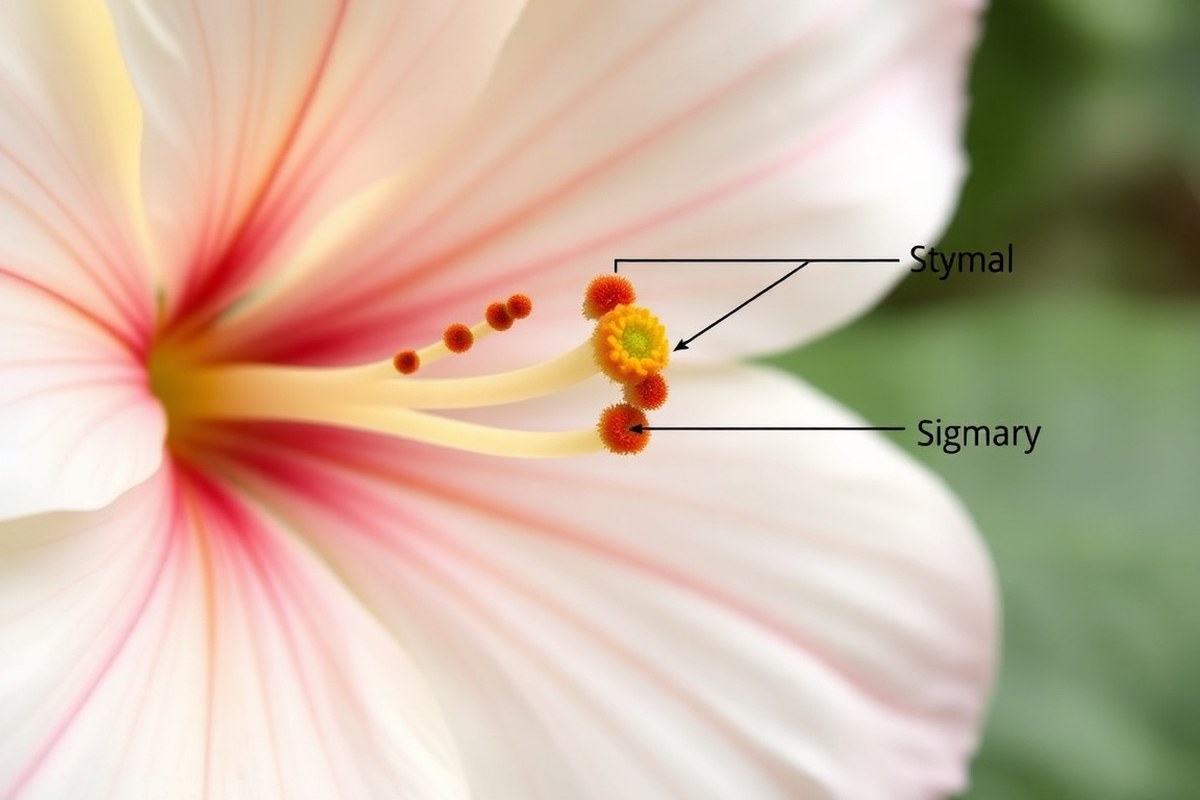
The stigma is located at the very tip of the pistil in a flower. The pistil sits at the flower’s center. It connects with the style and ovary.
The style is a narrow stalk. It holds the stigma above the ovary. The ovary is the rounded base that holds ovules.
The stigma acts like a landing platform for pollen and sits on top of the style. It receives pollen grains and then guides them down the style, a tube-like structure. The style leads pollen tubes toward the ovary where fertilization occurs in the ovules.
Different plants show variations in these parts. For example, some have a single style while others have branches.
In crocuses, the style splits into three tubes with stigmas at their tips. Variations affect pollen capture and growth paths but the stigma-style-ovary link is always the same.
The distance between the stigma and anthers inside a flower, known as herkogamy, varies too. This affects pollen transfer and helps some plants avoid self-pollination. The stigma must be exposed enough to catch pollen in the air or carried by pollinators.
Stigmas often have sticky or rough surfaces to trap pollen grains. Some produce a sweet liquid to attract bees and other pollinators. Once pollen lands, the stigma tests it chemically and only accepts compatible pollen for fertilization.
Keep flowers in normal temperatures between 60-80°F to maintain stigma receptivity. Extremes can reduce pollen acceptance and seed formation.
What Are the Different Types and Shapes of Stigmas in Flowering Plants?
Stigmas in flowering plants come in various shapes and types. These differences match how plants catch pollen from insects, wind, or other ways. Wind-pollinated plants usually have large, feathery stigmas to grab more airborne pollen.
Wet Stigma: Features and Examples
Wet stigmas have moist, sticky surfaces that trap pollen grains effectively. They secrete sugary fluids that help pollen stick and start growing. Flowers pollinated by insects often have wet stigmas to hold pollen delivered by visiting bugs.
A lily is a good example of a plant with a wet stigma. Its sticky surface helps pollen cling as bees move from flower to flower.
Dry Stigma: Features and Examples
Dry stigmas have a dry surface covered by a thin protein layer instead of sticky fluids. They do not use sugary secretions but use proteins to capture and recognize pollen. Plants that depend on wind pollination usually have dry stigmas.
Sticky liquids could trap dirt or debris. That would block pollen from reaching the flower.
Grass species like wheat and maize show dry stigmas. Their surface efficiently captures light, airborne pollen grains without moisture.
| Feature | Wet Stigma | Dry Stigma |
|---|---|---|
| Surface | Moist, sticky | Dry |
| Secretions | Sugary fluids | Protein layer |
| Pollination Type | More common in insect-pollinated flowers | Common in wind-pollinated plants |
| Example Plant | Lily | Wheat, maize |
Comparing wet and dry stigmas shows how plants match stigma design to pollination types. Wet stigmas use moisture to trap insect pollen. Dry stigmas rely on protein interactions and work better in windy environments.
Specialized Shapes and Pollination Adaptations
Stigma shapes vary widely, reflecting how plants catch their pollen. Bulb-shaped sticky stigmas suit many insect-pollinated flowers by offering a landing spot. Feathery or elongated stigmas catch windborne pollen more effectively.
Wind-pollinated plants like grasses have large, feathery stigmas to increase surface area. These dry stigmas catch tiny pollen grains floating in the air.
They snag more grains than smooth, small stigmas can. This helps plants get more pollen for reproduction.
Some plants even adapt stigma shapes to signal pollinators or retry pollination. These shape changes help flowers make sure enough pollen arrives for reproduction.
How Does the Stigma Capture, Hold, and Germinate Pollen?
The stigma captures pollen and holds it firmly. It also helps the pollen start growing. This step is important for flower reproduction.
A sticky or hairy surface traps pollen grains carried by pollinators or the wind. Once stuck, the stigma provides moisture and signals to wake the pollen grain into action.
Pollen Adhesion and Recognition
The stigma’s surface is either sticky or covered in tiny hairs that catch pollen effectively. A wet stigma releases a sticky fluid. This fluid helps pollen grains stick well.
It stops the pollen from falling off. This sticky surface favors pollen from the same or compatible species, helping avoid unwanted pollen.
The stigma recognizes specific pollen by chemistry and shape. It filters out non-compatible or dead pollen.
So only suitable grains get a chance to germinate. This selection improves the plant’s chances of successful reproduction.
Pollen Hydration and Germination
When pollen lands, the stigma starts drawing water into the grain. This hydration is critical because dry pollen can’t grow the tube needed to fertilize an ovule. The stigma’s moist surface helps the pollen absorb just enough water to revive it.
After absorbing water, the pollen grain changes shape and begins to germinate. The stigma grows a tube-like structure called a pollen tube. This tube grows down through the stigma.
It guides the pollen to the flower’s ovary. This tube carries the sperm cells to the ovule so fertilization can occur.
Formation and Guidance of Pollen Tubes
The stigma releases signals that help the pollen tube develop and find its way. The tube grows into and through the stigma tissue before reaching the style. In some plants like Gasteria, the tube is directed down to the micropyle of the ovule.
Proper hydration helps the pollen tube grow fast and smoothly. A stigma that dries too soon or lacks nutrients can slow or stop the tube’s journey. This stage is important because if the tube fails, fertilization won’t happen.
Here is a step-by-step look at the pollen-stigma interaction:
- Catch pollen on a sticky or hairy surface.
- Recognize compatible pollen through surface chemistry.
- Draw water into the pollen to hydrate it.
- Signal the pollen to germinate and grow a tube.
- Support pollen tube growth through stigma tissues.
- Guide the pollen tube downward into the style.
- Direct the tube toward the ovule for fertilization.
How Does the Stigma Select Compatible Pollen and Prevent Self-Pollination?
The stigma can reject pollen that comes from itself or from closely related plants. It uses specific molecular signals to check for compatibility. This system is called self-incompatibility.
It blocks self-pollination. It helps pollen from other plants fertilize the flower.
Stigmas often sit above the anthers. Sometimes they are below them. This placement lowers chances of catching their own pollen.
When an insect visits, the stigma’s lobes close slightly, brushing pollen off the insect’s body. This action lets the stigma pick up pollen from different plants more efficiently.
Once pollen lands on the stigma, the tissue monitors if it matches the plant’s genetics. The stigma stops pollen growth when it is from the same plant. It also stops pollen that is genetically similar.
This prevents the pollen tube from reaching the ovary and fertilizing the flower. Compatible pollen gets water and nutrients from the stigma.
This helps the pollen tube grow. The tube delivers sperm cells.
Plants like sunflowers show this selective feature clearly. Their stigmas develop structures that help recognize and support only the right pollen types. This biological checkpoint is important for cross-pollination, which boosts genetic diversity and strengthens plant populations.
Keep in mind, environmental stress like drought can reduce stigma’s ability to reject unwanted pollen. Healthy plant care helps maintain this natural filtering system.
What Environmental and Biological Factors Affect Stigma Function?
Heat stress during pollen landing and germination can lower fertilization rates. Moderate heat disrupts the pollen-stigma interaction and cuts down the stigma’s ability to start pollen growth. Flowers blooming in a heat wave often have poor fruit or seed.
Their stigmas don’t work well at high temperatures. This reduces successful pollination. Avoid planting heat-sensitive crops during heat waves.
Use shade nets to keep stigmas cooler. Keep the temperature below about 86°F (30°C).
Humidity also affects stigma receptivity. High humidity can encourage pollen to germinate faster but may promote fungal pathogens. Low humidity dries out the stigma, making it less able to hold or germinate pollen.
Water plants early in the day to help balance heat stress. Space plants well for good air flow. This lowers disease risk and keeps flowers moist.
Stigmas are touch sensitive in some plants. Some flowers move or close right after touching pollen. This helps keep pollen from wasting.
It also improves pollen retention for better pollination. This touch sensitivity can also close the stigma to protect it. Stigmas that close faster often stay closed longer, especially if pollen sticks well.
You see this in tomatoes and beans, where stigmas close. The closure keeps pollen safely in place. This helps increase fruit set.
Stigmas do play a role in rejecting pathogens but are not fully immune. Pathogens can enter the flower through the stigma, especially when wet or damaged.
Keeping flowers dry and applying organic fungicides can protect stigmas from fungal infections. Avoid overhead watering or spray early in the morning to reduce the time flowers stay wet.
- Pollen usually germinates on the stigma within 10 to 30 minutes under good conditions.
- Heat stress above 86°F (30°C) during flowering impairs stigma function and reduces fertilization.
- High humidity speeds up pollen germination but increases fungal risks on stigma surfaces.
- Stigma movement after touch helps keep pollen grains in place and supports fertilization.
- Pathogen entry through damaged or wet stigmas can reduce fruit set and seed development.
- Water plants early and use shade nets to protect stigma health in hot, humid weather.
- Proper plant spacing improves airflow, reducing humidity around stigmas and infection risks.
Heat, humidity, mechanical touch, and pathogens all affect how well the stigma works. You want to keep your flowers in conditions that protect stigma receptivity for better pollination.
That means managing temperature and moisture carefully and watching for damage or infection signs. Good care during flowering makes a big difference in fruit and seed success.
What Role Does the Stigma Play in Fruit and Seed Formation?
The stigma acts as the landing site for pollen. This step is key for fruit and seed formation. Without it, reproduction cannot start.
Pollen grains land on the stigma’s surface. The stigma supplies the right chemicals for germination.
This helps pollen grow and start fertilization. Without this, fertilization cannot occur, so no seeds or fruit will develop.
After pollen lands, the stigma supports the growth of a pollen tube. This tube grows down through the style toward the ovule for fertilization. The pollen tube carries sperm cells to the egg inside the ovule.
This delivery starts seed formation. The tube is a direct pathway.
The stigma indirectly influences fruit development by enabling fertilization. For example, in Saxifraga fortunei, the pistil changes color from yellow to red when pollination succeeds.
This signals that fertilization began, and fruit growth will follow. Without a functioning stigma, fruit production drops sharply.
This process takes hours to days depending on the plant species and environmental conditions. The stigma’s surface captures pollen quickly. But tube growth down the style can vary with temperature and humidity.
The stigma controls how pollen lands and fertilizes. This control affects seed and fruit numbers. Good stigma function improves plant reproduction.
How Can Understanding Stigma Improve Pollination and Crop Yields?
Knowing how the stigma works in plants helps farmers and gardeners get better crops. The stigma’s ability to catch and support pollen is key to successful pollination. Timing and knowing stigma health affect plant breeding success.
It impacts fruit yield. Good timing means better pollination results overall.
Optimizing Pollination Timing
The stigma is ready to receive pollen only for a limited time after the flower opens. Usually, the stigma is most receptive for about four days. On the fifth day, stigma catches less pollen.
By the sixth, it hardly works. Its effectiveness drops fast after day four.
For best pollination, you want to apply pollen within this short window. This timing is important when manually pollinating or breeding plants. Collect and transfer pollen from donor flowers in the first three days.
Do this early to increase fertilization chances. After three days, avoid using that pollen.
Look at flower age every day to track stigma health. Stop applying pollen when the stigma becomes less receptive. This prevents wasting pollen on old flowers.
Here’s a basic timing checklist for breeding:
- Mark flowers on day one when they open.
- Collect pollen from donor flowers within their first three days.
- Pollinate recipient stigmas between day one and four.
- Avoid applying pollen after the fifth day to prevent failure.
- Keep flowers protected from wind and rain during pollination.
Selecting Plants Based on Stigma Traits
Some plants have larger or stickier stigmas, which makes collecting and holding pollen easier. These traits can boost pollination success, especially in crops needing hand pollination. Gardeners and breeders might prefer these plants to improve fruit set.
You can test stigma sticky quality by gently touching it with a small brush. It’s good for breeding if the stigma collects pollen well. Strong pollen collection shows it can fertilize effectively.
Choosing plants with long stigma receptivity helps pollination last longer. This extends your window for successful pollination in the garden. You get more time to work with pollen.
Plants with shiny, moist stigmas often hold pollen better. Those that turn black or dry out quickly tend to reduce pollination chances. Choosing varieties with healthy stigma characteristics improves yield results in many crops.
Avoiding Pollination Failures in Crops
Failing to recognize stigma timing is a common mistake in pollination. Applying pollen too late or to dry stigmas can cause poor fruit or seed development. Also, some growers don’t protect flowers during pollination, which lowers success.
Pollination failures usually show up as empty fruit or few seeds. It costs time and money to raise a crop that fails to set fruit properly. Avoid these issues by working with flowers while their stigmas are receptive and healthy.
- Don’t wait longer than four days after flower opening to pollinate.
- Keep the stigma moist, avoid harsh sunlight and wind during pollination.
- Use fresh pollen to ensure good viability.
- Handle flowers gently to keep stigma surfaces intact.
- Monitor environmental conditions; extreme heat can dry stigmas faster.
Step-by-Step Action Plan to Use Stigma Knowledge for Better Pollination
Use your knowledge of stigma to help pollination. This can boost how well plants reproduce. Follow these steps to get better results.
- Before flowering: Choose plant varieties with compatible stigmas for your garden or crop.
- During bud stage: Prepare for pollination by ensuring flowers will open fully and stigmas stay healthy.
- At flower opening: Observe stigma shape and surface; healthy, sticky stigmas catch pollen well.
- During pollination: Introduce or attract pollinators like bees within a few days after flowers open.
- After pollination: Check stigma for pollen germination signs to confirm successful fertilization.
- Throughout fruit development: Keep plants healthy and avoid stress that can harm stigmas or fertilized ovules.
- Before harvest: Assess fruit set and seed quality, relating results to earlier stigma care.
- After season: Look back at what helped or didn’t help. Change your plant choices or timing next year. This improves how the stigma works.
Frequently Asked Questions
How Does the Stigma Protect a Flower from Receiving Incompatible Pollen?
The stigma blocks self or wrong pollen by using surface molecules that detect pollen identity. This selective process ensures the flower only grows seeds from suitable pollen. It helps plants avoid inbreeding and promotes genetic diversity.
Can the Size and Shape of a Stigma Affect Pollination Success?
Yes, different stigmas have sizes and shapes that influence how well they catch pollen. A larger stigma traps more pollen. Smaller stigmas may work better for some flowers.
Different flowers have different pollen needs. This variation helps match flowers with their pollinators.
What Happens Immediately After Pollen Lands on the Stigma?
The pollen grain begins to hydrate within minutes on the stigma’s surface. This water absorption lets the pollen tube grow quickly into the stigma tissue, starting fertilization. The speed of this process varies by plant species.
Does Stigma Function Vary Between Plant Families?
The stigma’s molecular interaction with pollen varies across plant families. Although the main goal is the same, to select compatible pollen, the specific signals differ. This diversity reflects evolutionary adaptations to different pollination methods.
Why Is Stigma Research Important for Agriculture and Crop Breeding?
Understanding stigma helps improve crop yields by optimizing pollination strategies. Farmers use stigma knowledge to select and breed plants that set fruit more effectively. This boosts food production and supports sustainable farming.
How Does the Stigma Relate to the Entire Pistil Structure?
The stigma is the pistil’s top part, linked to the style and ovary below. Together, these parts form the female reproductive organ in flowers. This system captures pollen and directs fertilized cells toward making seeds.
Final Thoughts
The stigma plays a key role in plant reproduction by capturing pollen and starting fertilization. You can help flowers set fruit by paying attention to stigmas and pollination timing. Try observing stigma surfaces on your plants to see which attract pollen best.