How to Care for Marigolds: Complete Steps, Varieties & Troubleshooting
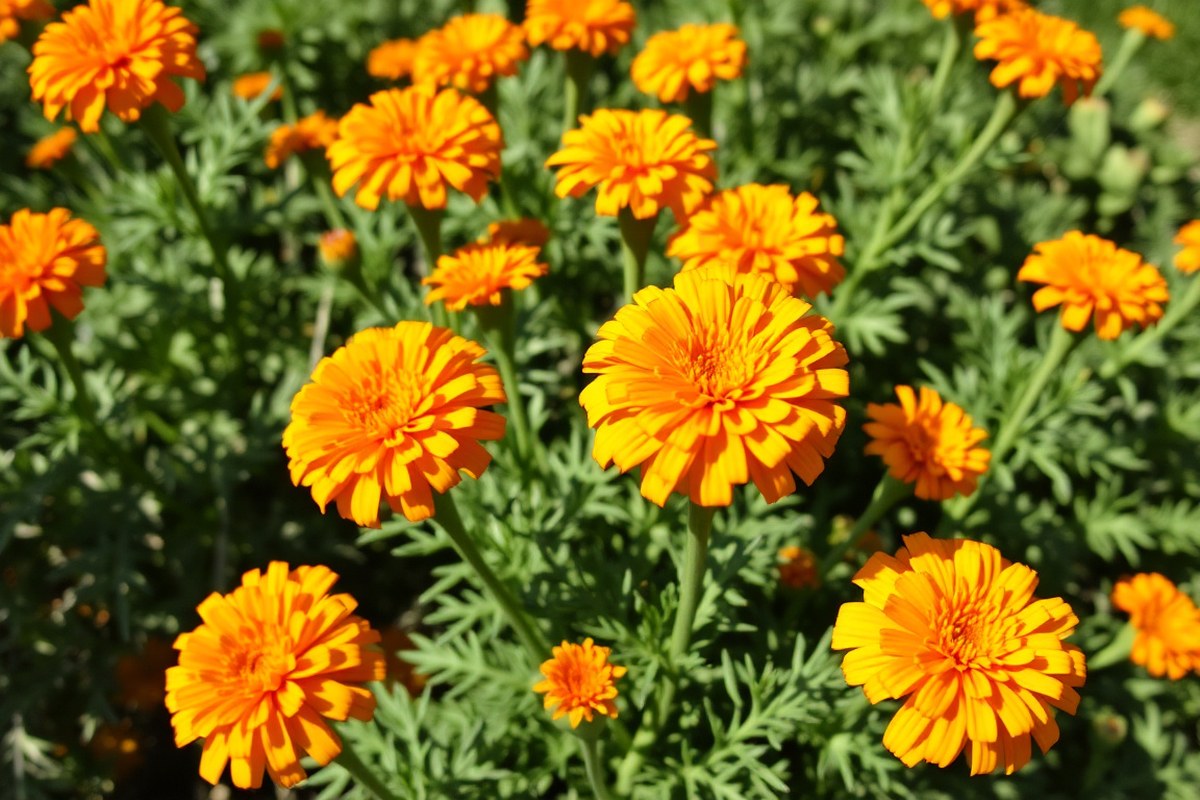
Knowing how to care for marigolds means giving them plenty of sunlight. Marigolds need at least six hours of direct sun daily to grow strong and bloom well. Water them moderately but avoid soggy soil, which can cause root problems.
Start by planting marigold seeds or seedlings in well-drained soil. Plant French marigolds 8 to 10 inches apart. Keep African marigolds 10 to 12 inches apart.
This spacing helps their growth and air circulation. These steps help avoid crowded roots and encourage healthy growth.
Watching for pests like aphids and diseases prevents damage early on. Deadheading spent flowers encourages marigolds to produce more blooms. Keep your marigolds thriving by following these simple, clear care steps.
Key Takeaways
- Marigolds need bright light for strong flowers. Aim for no less than six hours of sun each day. This will boost their blooming.
- Plant French marigolds 8 to 10 inches apart to prevent overcrowding.
- Space African marigolds 10 to 12 inches apart for healthy growth.
- Water marigolds moderately; avoid waterlogged soil to protect roots.
- Deadhead faded flowers promptly to extend blooming throughout the season.
- Check regularly for common pests like aphids and remove them quickly.
How to Care for Marigolds for Healthy Growth and Blooms
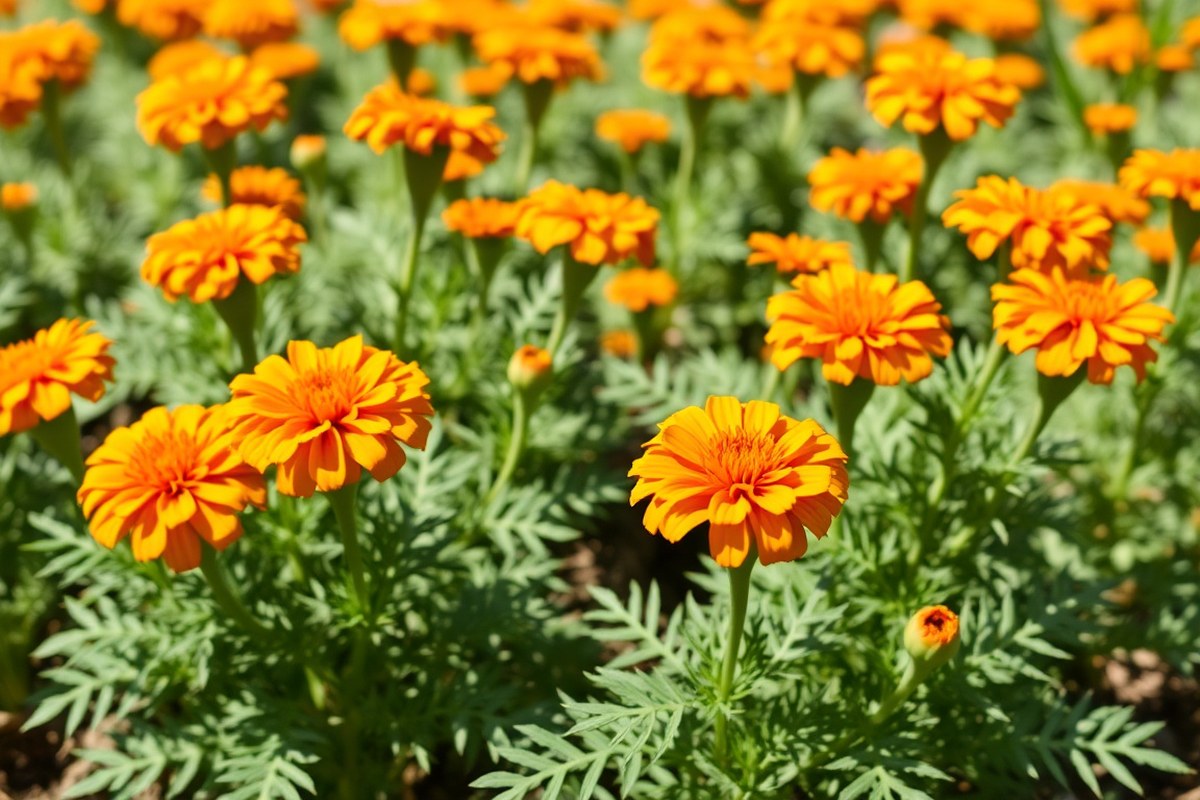
Marigolds need about 1 inch of water per week, similar to many vegetables. Water the soil directly at the base to avoid wetting the leaves and flowers. This reduces the risk of fungal diseases like botrytis.
In hot weather, check the soil often. Water more when the soil feels dry. Test dryness an inch below the surface before watering more.
A consistent fertilizer helps marigolds stay healthy and bloom well. Use a fertilizer with balanced nutrients, such as a 20-10-20 mix, every two weeks. Use the package instructions for liquid feeding.
Usually, add one teaspoon per gallon of water. Follow these directions carefully for best results. Avoid high nitrogen fertilizers since they promote leafy growth but fewer flowers.
Pick a spot with six or more hours of direct sunlight. Marigolds in full sun grow with strong stems and many blooms.
In hot areas, some afternoon shade helps prevent wilting. Cooler zones need more sun for better growth and flowers.
Regular deadheading is important. Remove faded flowers often by snipping the stem below the flower head. This encourages marigolds to make new blooms instead of seed pods.
Pinch off any suckers or leggy growth to keep plants rounded and bushy. Applying mulch around your plants helps keep weeds down and soil moist.
Adjust care based on your local climate. In hot areas, water a bit more and use some shade during the hottest hours. For colder zones, start marigolds indoors early and protect new plants from frost.
Adding compost in fall improves soil health for the next season. Watch for pests and diseases closely.
Treat them quickly to keep your flowers healthy. Early action helps prevent stress on your marigolds.
Identifying and Choosing the Right Marigold Variety for Your Garden
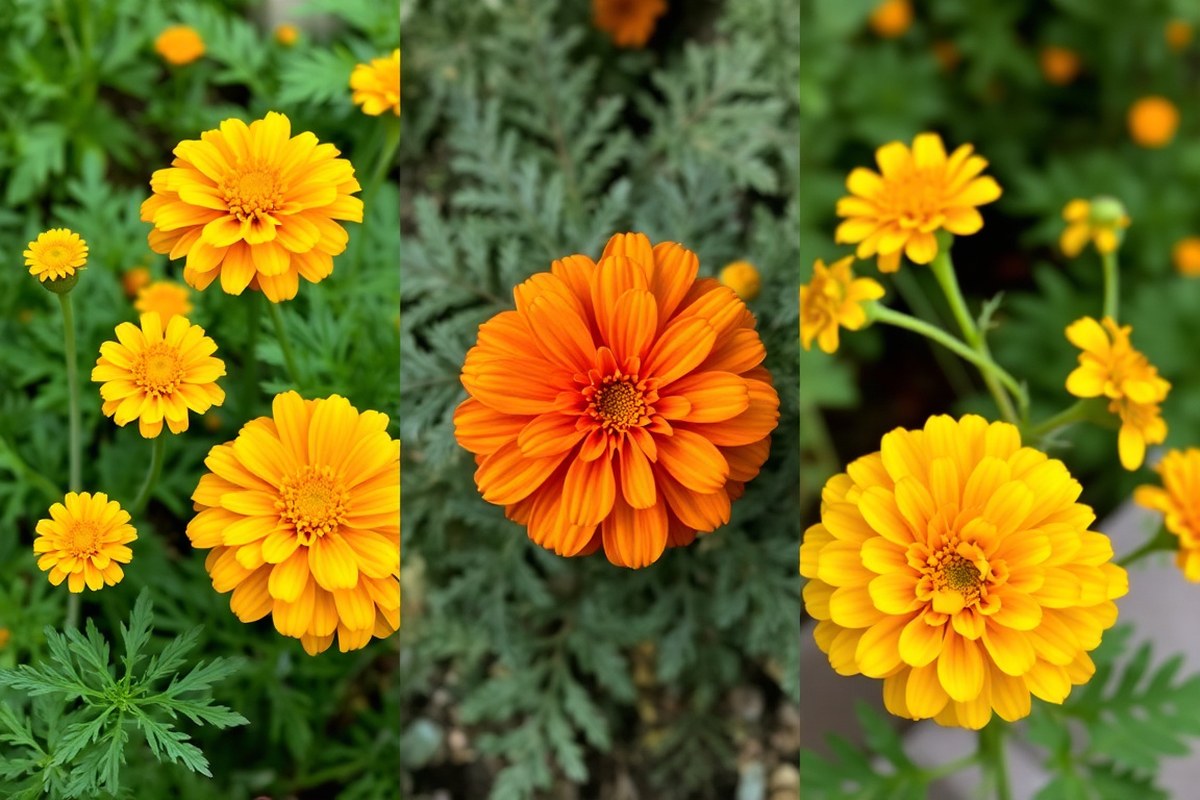
Marigolds belong mainly to three species: French, African, and signet. Each type has different heights, flower sizes, and uses that fit certain garden spots best. Pick varieties based on whether you want container plants, cutting flowers, or companion plants.
French Marigold Characteristics
French marigolds are compact and bushy, growing 6 to 12 inches tall. They carry medium-sized flowers around 2 inches across and bloom continuously in summer and fall. Their tidy size makes them great for borders, containers, and small garden beds.
French types come in dwarf and large-flowered varieties. Large-flowered ones grow up to 16 inches tall with bigger blossoms. Choose dwarf types for crowded garden spots or small pots.
African Marigold Features
African marigolds are the tallest group, ranging from 24 to 48 inches. Their flowers are large and round, sometimes 4 to 5 inches wide. This size and height make them ideal for cutting and bold garden backdrops.
They handle heat well but need room to spread. Plant them in garden beds or large containers at least 10 inches wide. Tall African types add height and color contrast in mixed beds.
Signet and Other Specialty Types
Signet marigolds grow between 12 and 18 inches tall. Their flowers are small and delicate. Each flower is less than 1 inch wide.
Their leaves are fine and lacy. Their flowers are edible with a spicy scent. These types add texture and edible blooms to herb gardens or mixed containers.
Signets suit smaller garden spaces like borders or window boxes. They’re less showy but bring fragrance and interest where taller marigolds might overwhelm.
Check the table below to compare the main marigold types. It shows height, flower size, and special features.
This helps you pick the right one. This helps pick the best marigold to match your garden’s space and style.
| Variety | Height Range | Flower Size | Unique Features |
|---|---|---|---|
| African Marigold | 24, 48 inches | Large (up to 5″ | Tall, full blooms, heat tolerant |
| French Marigold | 6, 12 inches | Medium (up to 2″) | Compact, bushy, continuous flowering |
| Signet Marigold | 12, 18 inches | Small (under 1″) | Delicate, edible flowers, fine foliage |
African marigolds have large blooms and grow tall. They work best for fresh-cut flowers you can use inside.
French marigolds fit containers well with their compact form. Signet marigolds brighten smaller spaces with edible flowers and fine leaves.
Use a pot at least 10 inches wide for African or large French marigolds. This gives their roots enough room to grow well.
Planting Marigold Seeds: Indoor Starting and Outdoor Sowing
Start marigold seeds indoors about 6 to 8 weeks before the last frost. Sow seeds outdoors after frost risk ends and soil warms to 65°F or more. Use well-draining soil with pH between 6.0 and 7.0 for best results.
Indoor Seed Starting Process
Sow marigold seeds in a seed-starting mix inside. Plant seeds about 1/4 inch deep for proper germination. Keep the soil moist but not soggy until sprouts appear.
Maintain room temperature around 70°F for the seeds to germinate well. After seedlings emerge, give them bright, indirect light daily. This helps them grow strong before transplanting.
- Fill seed trays with seed-starting potting mix like Miracle-Gro®.
- Sow marigold seeds 1/4 inch deep, spacing seeds about 1 inch apart.
- Lightly cover seeds with soil and gently water to moisten.
- Place trays in a warm spot maintaining around 70°F.
- Keep soil moist but avoid waterlogging throughout germination.
- Provide bright, indirect light once seedlings appear, usually 5, 7 days.
- Thin seedlings to one per cell when two true leaves form.
- Start hardening off seedlings one week before transplanting outdoors.
Preparing Garden Beds for Direct Sowing
Pick a spot with full sun exposure and soil that drains well. Test soil pH and adjust if needed to 6.0-7.0 for marigolds. Loosen soil to about 6 inches deep and remove weeds or debris.
Add some organic compost or balanced fertilizer to improve moderately fertile soil. After bed prep, wait until soil temperature reaches 65°F or warmer to sow seeds. Plant seeds about 1/4 inch deep and 1 inch apart for starting.
Keep the soil moist after sowing, especially during the first two weeks. Thin seedlings to 6-18 inches apart after growth to prevent overcrowding.
Transplanting Seedlings Outdoors
Move seedlings outdoors after the last frost date and when daily temperatures reach 70°F or higher. Do this gradually over one week by putting seedlings outside for a few hours daily.
Space transplanted marigolds 6 to 18 inches apart depending on variety size. Water plants well after transplanting to reduce shock. Watch for signs of stress like wilting and adjust watering accordingly.
Pinching, Deadheading, and Pruning to Extend Bloom Time
Pinching and deadheading help marigolds grow bushier and bloom longer. Pinching means removing the tips of young shoots. It stops tall, leggy growth and encourages side branches to form.
Deadheading means cutting off spent flowers. That refreshes the plant and keeps it producing more blooms.
Pinch your marigolds when they are about 6 inches tall. Pinching early helps create a compact shape. You’ll see new growth in a week or two.
Deadhead every week by snipping off faded blooms just above healthy leaves or buds. This prevents the plant from wasting energy on seed production.
Pruning helps marigolds stay healthy by removing dead or damaged parts. It also controls plant size and shape.
If your marigolds get leggy, cut back their stems to promote new growth. Keeping marigolds well-pruned reduces disease risk by improving air circulation in the plant’s canopy.
Use clean, sharp scissors or pruning shears for pinching, deadheading, and pruning. Avoid tearing plant tissue, which can invite disease.
Wear gloves if you tend to have sensitive skin. Keep your tools clean by wiping blades with rubbing alcohol before and after use.
Follow these steps to pinch and deadhead marigolds properly:
- Wait until young marigold plants reach about 6 inches tall.
- Pinch off the top 1/2 inch of each stem using clean fingers or scissors.
- Check new growth weekly and pinch again if stems start to grow tall again.
- Look for spent flowers and prune them off just above a leaf or bud weekly.
- Remove any dead or yellowing leaves to improve air flow.
- Trim back tall plants showing legginess to keep a bushy shape.
- Clean your pruning tools with rubbing alcohol before each use.
- Monitor plants for signs of disease and remove infected parts immediately.
Managing Soil, Sunlight, and Climate for Optimal Marigold Growth
Marigolds grow best in well-draining soil with a pH between 6.0 and 7.0. This range keeps nutrients available without stressing the plants. Avoid heavy clay or soggy soil because it lets water sit, which harms the roots.
These flowers need full sun, which means at least six hours of direct sunlight each day. Providing 6 to 8 hours helps them grow strong stems and produce many bright flowers. While marigolds can tolerate a bit of shade, less sun usually means fewer blooms.
Marigolds prefer warm temperatures, ideal between 60 and 80 degrees Fahrenheit. They tolerate a range from USDA Zones 2 to 11. So they do well in many regions.
Plant seeds outdoors from late spring to early summer. The soil should reach about 60 degrees. That’s the right time to start planting.
Humidity doesn’t usually cause trouble for marigolds if you keep soil well-drained. High humidity combined with wet soil can lead to diseases like root rot. Water your plants only when the top inch feels dry.
Aim to moisten the soil about 6 inches deep. This helps keep your plants healthy.
For dry or hot climates, add mulch to keep soil moist and roots cool. In cooler, humid areas, make sure plants get plenty of air circulation to avoid fungus.
French marigolds handle moist soil better. So consider them if your garden tends to stay wet.
Don’t overwater marigolds, even if the air is dry, soggy roots invite disease.
Common Pests and Diseases Affecting Marigolds and How to Treat Them
Aphids, spider mites, and whiteflies often attack marigolds. Watch for yellowing leaves or sticky residue, which signals aphids. Spider mites leave fine webbing and speckled leaves.
Whiteflies cause yellowing and weak growth. Spotting these early helps keep plants healthy.
Check marigolds regularly, especially during hot or dry weather when spider mites flourish. Plants too close together trap moisture and invite spider mites. Use sterile potting mix to help seedlings stay healthy.
Make sure there is good air flow around seedlings. These steps help prevent fungal problems like damping-off disease. Avoid overwatering to prevent fungal problems too.
Spraying marigolds with a strong water jet can remove aphids and spider mites. For tougher infestations, treat plants with insecticidal soap or neem oil.
Use yellow sticky traps to catch whiteflies and reduce their numbers. These organic options work well and avoid harsh chemicals.
When pest damage spreads despite natural methods, consider chemical treatments. Choose pesticides labeled safe for flowering plants and follow package directions exactly. Use chemical controls only if nothing else works well.
Pollinators like syrphid flies visit marigolds and eat aphids. Avoid chemicals to protect these helpful insects. Always weigh benefits and risks before applying chemicals.
Marigolds’ natural scent helps repel many garden pests including nematodes and mosquitoes. Plant marigolds near vegetables to reduce root nematode attacks.
Healthy growth and spaced plants help marigolds fight off spider mites and other bugs naturally. Keep your plants well watered but not soaked to stay ahead of common problems.
Growing Marigolds in Containers: Best Practices and Tips
Pick a pot at least 8 to 12 inches wide for one marigold plant. Larger marigolds like African types need bigger containers, around 14 inches wide. Always use pots with drainage holes.
These holes stop water from pooling. This helps keep roots healthy.
Use a lightweight, well-draining potting mix. A peat- or coir-based commercial mix works well. Don’t use garden soil or mixes with moisture crystals.
These crystals hold too much water. That can cause root rot.
Water marigolds in containers once the top 1 to 2 inches of soil feels dry. In hot, sunny weather, that might mean watering every day.
Water thoroughly, so excess drains out the holes. But don’t let the soil stay soggy longer than a day or two.
Fertilize container marigolds about once a month with a balanced, water-soluble fertilizer. Dilute it to half strength to avoid burning roots. Too much fertilizer causes weak growth and fewer blooms.
- Use pots with drainage holes to avoid waterlogging
- Choose a light, peat-based potting soil with good drainage
- Water when the soil’s dry 1-2 inches down; maybe daily in heat
- Feed monthly with half-strength balanced fertilizer
- Avoid heavy, moisture-holding soil to prevent root rot
- Keep pots out of extreme afternoon heat to prevent stress
Watch out for root rot signs like wilting or yellow leaves despite watering. That usually happens if your soil stays wet too long. Keep pots shaded during hottest hours if temperatures climb above 85°F to protect roots from overheating.
Saving Marigold Seeds and Preparing Plants for End-of-Season Care
Harvest marigold seeds after the flower heads dry fully on the plant. Store seeds in a cool, dry place to keep them viable over winter. For end-of-season care, prune spent plants and plan for overwintering depending on your climate.
Seed Harvesting Technique
Wait until the marigold seed heads turn brown and dry but before they shed their seeds. This timing ensures seeds are mature and ready for planting next year. You can save seeds from French marigolds easily.
African marigolds may take longer to flower from seed. So consider buying young plants instead.
- Pick seed heads that are fully brown and dry on the plant.
- Break open the seed heads gently to release the seeds.
- Remove any flower debris from seeds to avoid mold.
- Spread seeds on a paper towel in a dry, ventilated place.
- Let seeds dry for a few more days if needed before storing.
Harvest seeds before wind or rain scatter them to avoid loss.
Proper Seed Storage Conditions
Store marigold seeds in a cool, dry spot to maintain their viability. Use a paper envelope or a small container with ventilation holes. Avoid plastic bags as trapped moisture can cause seeds to rot over winter.
Label your seed containers with the marigold variety and date of harvest for easy sorting later. Keep seeds in a place that stays 40 to 50°F. A garage shelf or basement works well. Avoid spots that get too warm or cold.
Preparing Plants for Winter
Marigolds are annuals in most zones, meaning they usually do not survive cold winters outside. Cut back dead or dying plants once frost kills the tops. Remove plant debris to reduce pests and diseases.
In warm climates, you can treat marigolds as perennials or overwinter indoors. Move potted plants inside before frost, place them in bright light, and water sparingly. In colder zones, save seeds for planting next spring or buy new plants.
Prune carefully not to damage any part of the stem if saving plants for indoor overwintering.
Step-by-Step Action Plan for Caring for Marigolds
Follow these steps to grow healthy marigolds that bloom all season. Each step helps you check that your plants thrive.
- Before planting: Choose a marigold variety suited for your garden’s sun and space. Look for vibrant leaves and firm seeds to ensure strong plants.
- Week 1: Begin planting seeds indoors about 6 to 8 weeks before frost ends. Maintain warm, moist soil until sprouts appear in 5 to 7 days.
- Week 3: Gradually introduce seedlings to outdoor elements over several days. Watch that leaves stay healthy and plants don’t wilt.
- Week 4: Transplant seedlings outdoors after frost danger passes. Plant in full sun and well-drained soil for best root growth.
- Week 5 and ongoing: Pinch off new flower buds early to promote bushier growth. Confirm success when plants develop more side shoots.
- Every 1-2 weeks: Deadhead spent blooms by snipping them off near the base. Healthy plants will respond with more flowers.
- Monthly: Apply a balanced fertilizer if leaves yellow or blooms fade. Watch for new growth and vibrant flowers as a sign of health.
- As needed: Check plants for pests like aphids or spider mites. Use insecticidal soap following label instructions to keep pests under control.
Frequently Asked Questions
How Often Should I Water Marigolds?
Water marigolds once or twice a week, depending on rainfall. Keep the soil moist but not soaked to avoid root rot.
Can I Grow Marigolds Indoors All Year Round?
Yes, marigolds can grow indoors with enough sunlight or grow lights. Place them near a south-facing window for at least 6 hours of light daily.
How Do I Prevent Marigolds from Getting Leggy?
Pinch back the growing tips when plants are young to encourage bushier growth. This stops them from stretching too tall and thin.
What Kind of Fertilizer Is Best for Marigolds?
Use a balanced, slow-release fertilizer once at planting. Too much fertilizer can reduce flower size and promote leaves over blooms.
Can Marigolds Tolerate Partial Shade?
Marigolds grow best in full sun but can tolerate some shade. In partial shade, flowers may be fewer and growth less compact.
Should I Remove Marigold Flowers After They Bloom?
Deadhead spent flowers regularly to encourage new blooms. Leaving old flowers can reduce the plant’s energy for making more buds.
Final Thoughts
Marigolds brighten your garden and help other plants grow well. Start with strong seeds and keep up care to enjoy plenty of blooms. Pick a sunny spot and check your plants regularly to catch any problems early.