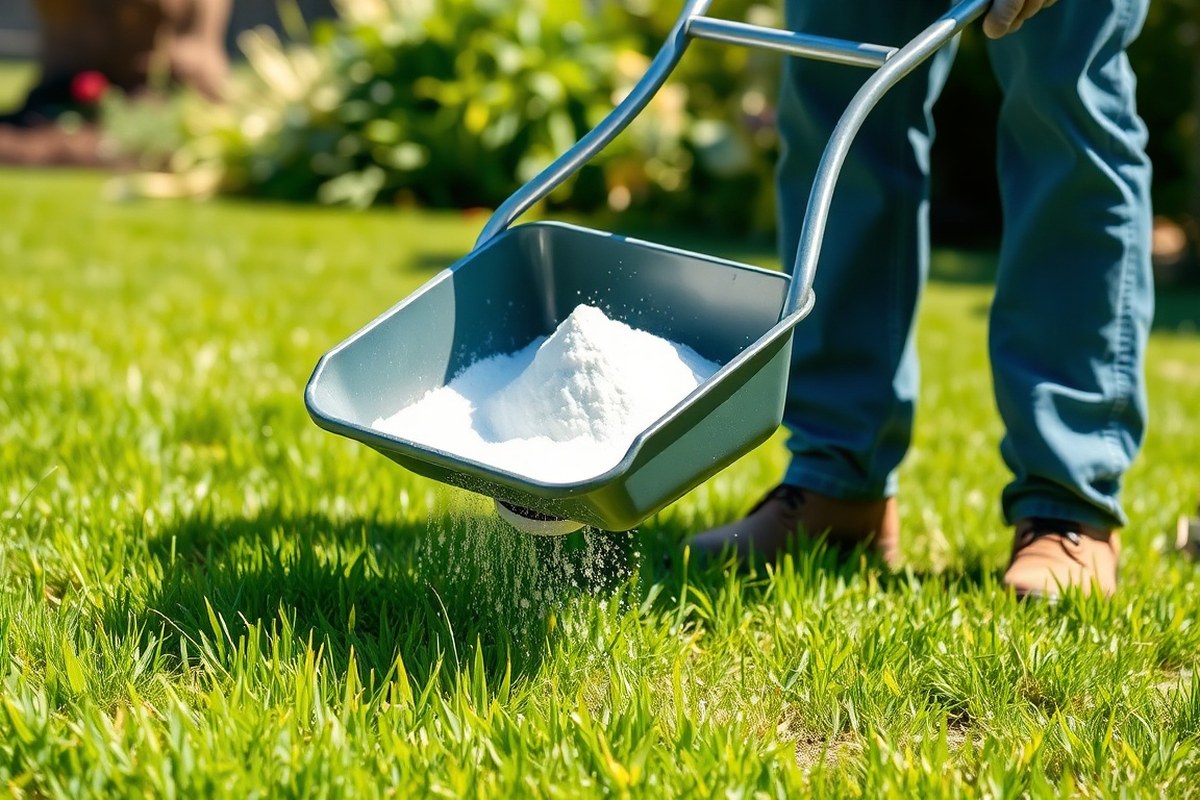
Is Lime Good for Grass? A Complete Guide with Proven Tips and Calculations
Is lime good for grass? Yes, lime can help your lawn grow better by adjusting soil pH.
It makes the soil less acidic, creating a friendlier setting for grass roots. This can improve nutrient uptake and overall lawn health.
To get the best results, test your soil pH first. Lime isn’t a quick fix; it takes 3 to 6 months to work.
Applying too much lime at once can harm your grass. So follow the recommended amounts carefully.
Start by measuring your lawn area and checking the lime’s calcium carbonate equivalent (CCE). This tells you how strong the lime is compared to pure calcium carbonate. Water the lawn with about 1 inch of water after liming.
Do this within 24 hours of applying the lime. This helps activate the lime properly.
Key Takeaways
- Test soil pH before adding lime to know how much is needed.
- Split lime applications if more than 50 pounds per 1,000 sq ft is needed.
- Use lime with a known CCE to calculate the correct amount precisely.
- Water the lawn with about 1 inch of water within 24 hours of applying lime.
- Wait 3 to 6 months to see lime’s full effect on your grass.
- Avoid letting lime sit on grass without spreading to prevent damage.
Is Lime Good for Grass and How Does It Help?
Lime benefits grass by reducing soil acidity. Acidic soil lowers nutrient availability. Lime raises soil pH to an ideal range of 6.0 to 7.0.
This pH range helps grass roots absorb key nutrients like nitrogen, phosphorus, and potassium. When the soil is too acidic, grass growth slows and color fades. Adding lime helps grass grow thicker and greener by improving nutrient uptake.
The main ingredient in lawn lime is calcium carbonate, measured by calcium carbonate equivalent (CCE). A higher CCE means stronger neutralizing power. When lime dissolves, it supplies calcium, which strengthens grass cell walls.
It also increases microbial activity in the soil. These microbes break down organic matter, releasing more nutrients. Applying lime in spring or fall works best because warmer soils help it dissolve faster.
Using lime correctly means testing your soil first to know the actual pH level. The exact amount depends on soil type and current acidity. Over-liming can push pH too high, locking out nutrients and harming grass.
After applying lime, watering it helps dissolve particles and move them into the soil. Lime works even during grass dormancy, slowly balancing soil health over months. When your lawn gets the right pH, you’ll see greener color, fuller growth, and less moss.
When and How Often Should You Apply Lime to Your Lawn?
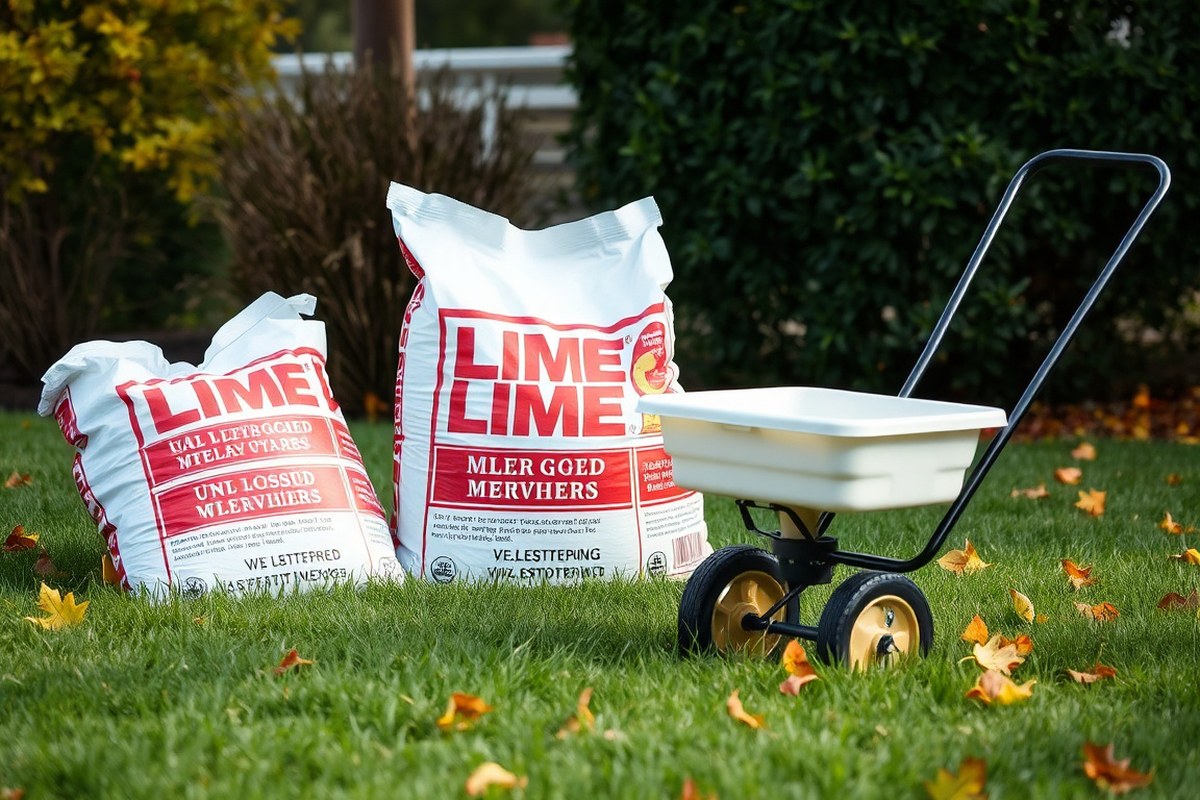
Lime works best when applied in the fall, from September to November. The cooler temperatures and fall rains help it soak into the soil before winter.
You can also apply lime in early spring, from March to April. But fall is usually more effective.
The timing depends on your grass type and region. Cool-season grasses like Kentucky bluegrass or fescue respond well to fall liming in northern climates. Southern lawns with warm-season grasses like Bermuda or centipede need lime in late fall.
You can also apply lime in early spring, once the growing season begins. This helps the grass get the nutrients it needs. Avoid applying lime during summer heat or drought, since dry soil slows lime’s reaction.
Apply lime based on your soil test results, usually every two to three years. One application of about 50 pounds per 1,000 square feet is enough.
For heavier liming needs, split doses into two treatments a few months apart. Applying too much lime at once can harm your lawn and leave residue on grass blades.
Regional climate shapes your schedule. Aim to lime northern lawns in the fall while the grass is not growing. Doing this lets the lime settle and improve soil over the winter months.
This prepares the lawn for healthy growth in spring. Southern lawns tolerate spring liming better because warmer winters slow lime’s effect. After spreading lime, water your lawn thoroughly.
This washes off any lime powder from the grass blades. It also helps prevent the grass from burning due to the lime.
Limit lime application to 50 pounds per 1,000 square feet at once. Overapplying lime might harm your lawn and damage leaves. Follow this guideline to maintain healthy grass.
How to Test Your Soil and Calculate the Exact Lime Amount Needed
Test your soil pH first to see if lime is necessary. Use the soil test report to find recommended lime amounts. Adjust lime quantity based on the lime’s calcium carbonate equivalent (CCE) to get the right dose.
Collect Soil Samples Correctly
Grab several small soil samples from around your lawn for an accurate test. Collect soil from the top 3 to 4 inches because this is where roots grow most. Mix the samples before sending them to a lab or using a home test kit.
Here are steps for collecting soil samples:
- Use a clean trowel or soil probe to collect soil little by little.
- Take samples from 10 to 15 spots evenly spread across your lawn.
- Dig 3 to 4 inches deep at each spot to capture the active root zone.
- Put all samples in a clean bucket and mix them well.
- Remove rocks, plants, and debris from the mixture.
- Place about 1 cup of the mixed soil into a clean bag or container.
- Label the bag with your name, location, and date.
- Send your soil sample to a testing lab for analysis. You can also use a home pH test kit. Follow the kit’s instructions carefully for accurate results.
Read and Interpret Your Soil Test Report
The soil test report shows your soil pH and how much lime it needs. Look for the recommendation in pounds of lime per 1,000 square feet. The report also factors soil type and current pH to give a precise lime amount.
Common rules show how to act based on pH:
| Soil pH | Lime Recommendation |
|---|---|
| Below 6.0 | Apply lime as recommended, usually one application. |
| 6.0 to 6.5 | Check magnesium levels; lime might still help. |
| Above 6.5 | No lime needed; risk of overliming. |
Add lime based on recommendations under 50 pounds per 1,000 square feet. For amounts above 100 pounds, divide the application into separate seasons. Test your soil again after a year to check progress.
Calculate Lime Amount Using CCE Adjustments
Lime quality differs by CCE, a percentage of pure calcium carbonate’s effectiveness. The higher the CCE, the less lime you need. Adjust recommended lime weight by dividing by the lime’s CCE as a decimal.
For example, if your soil test says 25 pounds per 1,000 square feet. But your lime’s CCE is 90%, divide 25 by 0.90. This equals about 28 pounds of your lime material.
Follow these steps to calculate lime dose:
- Find lime pounds recommended per 1,000 sq ft from your soil report.
- Locate your lime’s CCE value on the product label (e.g., 90%).
- Convert CCE percentage to decimal (90% = 0.90).
- Divide recommended pounds by the CCE decimal.
- Use this adjusted pounds per 1,000 sq ft for your application.
Choosing the Best Type of Lime for Your Lawn
You can pick from many types of lime for your lawn. These include powdered, pelletized, calcitic, and dolomitic lime. Each has its own benefits.
Your choice depends on how easy the lime is to spread. It also depends on the soil’s magnesium level and your budget. Each type has pros and cons that affect your lawn care routine and costs.
Powdered vs. Pelletized Lime
Powdered lime is finely ground limestone that spreads easily. But can be dusty and messy.
Pelletized lime is made by bonding ground limestone into small pellets. This form handles cleanly and spreads evenly with a broadcast spreader, making it less dusty.
Neither type acts faster; both take weeks to change soil pH. Pelletized lime costs more, about 20% more per pound because of processing. It suits homeowners who want less mess and better control during application.
Calcitic vs. Dolomitic Lime Benefits
Calcitic lime contains mostly calcium carbonate and is the most common lawn lime type. Dolomitic lime adds magnesium carbonate, which raises magnesium levels in your soil. Choose dolomitic if your soil test shows magnesium deficiency.
Both types raise soil pH, making nutrients more usable for grass. When magnesium is low, using dolomitic lime can help your grass.
It improves grass health and stops leaves from turning yellow. Calcitic lime works well when calcium is your main concern.
| Lime Type | Calcium Carbonate Equivalent (CCE) | Application Ease | Cost | Magnesium Content |
|---|---|---|---|---|
| Powdered Calcitic Lime | 90% to 100% | Messy, dusty | Low ($3-$5 per 40 lbs) | Low |
| Pelletized Calcitic Lime | 85% to 95% | Easy, clean | Higher ($5-$7 per 40 lbs) | Low |
| Powdered Dolomitic Lime | 80% to 95% | Dusty, fine texture | Low ($4-$6 per 40 lbs) | High |
| Pelletized Dolomitic Lime | 80% to 90% | Clean, easier to spread | Higher ($6-$8 per 40 lbs) | High |
This table shows how pelletizing generally adds to cost but makes application simpler. You should pick dolomitic lime when your magnesium is low, especially with sandy or acidic soils. Calcitic lime is better for soils lacking calcium but adequate in magnesium.
Liquid Lime Alternatives
Liquid lime products are also available. They offer lime that spreads quickly and easily.
Professionals often use these on bigger lawns for fast application. This type works faster than solid lime but needs more frequent applications.
You can spray liquid lime with proper equipment for even coverage. It costs more and requires careful handling. So it is better for lawns that need quick correction or spot treatments.
Step-by-Step Guide to Applying Lime Correctly
Apply lime using the right spreader at a safe rate and uniform pattern. Water the lawn lightly within 24 hours after spreading lime to help it work well. Follow these steps to make sure you spread lime correctly and avoid problems.
Choose the Right Spreader
Use a drop or rotary spreader to spread lime evenly on your lawn. A drop spreader offers precise control and works well with pelletized lime.
Rotary spreaders cover larger areas faster but can scatter lime off-target. Pelletized lime is easier to spread and makes less mess than powdered lime. The choice depends on your lawn size and preference.
Apply Lime in Even Criss-Cross Passes
Apply lime in doses under 50 pounds for every 1,000 square feet. For bigger amounts, spread out applications over several months to avoid excess lime buildup.
Use a criss-cross pattern, spreading lime in one direction then again at 90 degrees. This technique ensures even coverage and reduces missed spots.
Water the Lawn to Activate Lime
Lightly water your lawn with about 1 inch of water within 24 hours after applying lime. This activates the lime and helps it start adjusting your soil’s pH.
Too much water too soon can wash lime away, so water gently. For liquid lime, always follow the product’s watering instructions carefully.
- Wear protective gloves and a mask to avoid dust inhalation.
- Measure your lawn area to calculate the correct lime amount.
- Load lime into your drop or rotary spreader according to product instructions.
- Set the spreader to the recommended setting for lime application.
- Walk at a steady pace, spreading lime in one direction over your lawn.
- Turn 90 degrees and spread lime again, completing a criss-cross pattern.
- Do not exceed 50 pounds of lime per 1,000 square feet in one go.
- Water the lawn with about 1 inch of water within 24 hours.
Never spread lime by hand. Always use a spreader to prevent uneven application and potential lawn damage.
How Long Does Lime Take to Work and What to Expect?
Lime takes time to change soil pH because it reacts slowly with the soil. It usually takes between 6 months and 1 year to see a meaningful pH shift. Some traditional lime types take 2 or 3 years to work.
They slowly mix into the soil over time. This means your lawn won’t improve right away.
Soil texture matters a lot for lime’s speed. Sandy soils allow lime to break down and adjust pH faster than clay soils.
Clay holds lime particles longer, so changes happen slower there. Moist soil and regular rain also help lime dissolve and react faster.
Fall is the best season to apply lime. Freezing and thawing cycles during winter help lime particles move deeper into the soil. This natural process speeds up the chemical reaction that reduces soil acidity.
Fast-acting pelletized lime breaks down quicker than regular lime. You may notice soil pH improving sooner, sometimes within months. However, with powdery or traditional lime, expect the slow changes typical of mineral reactions.
Visible improvement in grass health usually lags behind the soil pH change. Once pH reaches the right range, roots absorb nutrients better. The grass starts growing stronger in a few weeks.
You’ll see healthier grass fairly soon. This can take 6 to 12 months after lime application.
Testing soil pH after applying lime helps track progress. Test every 3 to 6 months to see if pH moves toward the desired level. This keeps you from applying too much lime too fast, which can harm your lawn.
The amount of lime needed depends on your soil’s current acidity and type. Heavy clay soils might need more lime or split applications over time. Avoid applying over 50 pounds per 1000 square feet at once.
Lime works slowly, so spreading it out is better. Applying too much can cause uneven results.
Signs Your Lawn Needs Lime and Risks of Overliming
Yellowing grass and patches of sparse growth often point to acidic soil. Your lawn may also have more weeds and weak root systems. Brown spots on grass or wilting blades show soil pH might be low.
These signs mean your lawn could need a pH check. Fixing soil pH helps the grass grow better and greener.
Before you grab lime, check these common signs:
- Yellow or pale grass blades
- Stunted or slow growth
- Patchy areas with thin grass cover
- Increased presence of moss or weeds
- Grass wilting without obvious drought stress
- Poor recovery after mowing or foot traffic
- Roots that look short or weak
Since most lawn grasses grow best between pH 5.8 and 7.0, soil testing is still the best way to know for sure. Adding lime without testing can make soil too alkaline. Too much alkalinity harms grass like acidic soil does.
Testing first avoids these problems and keeps soil balanced. Overliming not only stops nutrient uptake. But could lead to brown, patchy areas or crusty soil.
Using too much lime can cause nutrient problems in your lawn. Your grass might also have trouble soaking up water then. It’s best to add lime carefully to avoid this.
To fix overliming, water the lawn deeply to help leach excess lime. You can also add organic matter like compost to buffer pH over time. Test your soil again after a few months to check progress before considering more treatment.
Safety Precautions and When to Hire a Lawn Care Professional
Wear gloves, a dust mask, goggles, and long sleeves when handling lime. This gear protects your skin, eyes, and lungs from irritation caused by lime dust. After applying lime, keep pets and kids away for 2 days.
This lets it soak safely into the soil. Wait up to 3 days before letting them back.
Stay off the lawn immediately after spreading lime to avoid tracking dust inside. Rinse your gloves and tools with water when finished.
Dispose of any leftover lime by sealing it in a plastic bag. Avoid throwing lime in household trash or down drains.
- Use gloves, dust mask, goggles, and long sleeve shirts
- Keep pets and kids off lawn for 48 to 72 hours post-application
- Water the lawn lightly after applying lime to reduce dust
- Rinse equipment thoroughly after liming
- Seal leftover lime in plastic for disposal
- Store lime away from moisture and children
Not sure how much lime your lawn needs or how to apply it evenly? Consider hiring a lawn care professional. They have the right tools and knowledge to handle lime safely and correctly.
Professionals help you avoid unnecessary lime application. Too much lime can harm your grass. They know when and how to apply it safely.
Experts typically charge $50 to $150 for lime work. The price depends on your lawn size and treatment needed. Expect to pay more for complex jobs.
Hire a service if you lack the right tools. It’s smart for large lawns or routine lawn care.
Regular maintenance can be easier with a pro. It also reduces the risk of overliming your grass.
Keep pets off the treated lawn for at least three days to avoid skin irritation.
Step-by-Step Action Plan for Using Lime on Your Lawn
Follow these clear steps to improve your lawn with lime and track your progress closely.
- Before You Apply: Test your soil’s pH using a kit or lab. Aim for a pH below 6.0 to justify liming.
- Week 1: Spread the recommended amount of lime evenly on dry grass. Use a broadcast spreader for best coverage.
- Week 2: Water your lawn lightly to help lime start reacting with the soil. Avoid heavy watering this week.
- Month 1: Watch for signs of improved grass color and growth. Healthy green grass with fewer weeds means success.
- Months 2-3: Rake lightly if some lime hasn’t absorbed. Keep mowing regularly to promote healthy roots.
- After 6 Months: Retest soil pH. Lime effects can take this long to peak. So adjust future lime use based on results.
- Next Spring: Repeat soil testing before adding lime again. Avoid overliming by applying only what your soil needs.
Frequently Asked Questions
Can Lime Damage My Grass If I Use Too Much?
Yes, applying over 50 pounds per 1,000 square feet can harm your lawn. It leaves lime residue that burns grass and disrupts growth. Spread lime evenly and never exceed this amount at once to protect your grass.
Can I Lime My Lawn Right After Fertilizing?
It’s best to wait a few weeks between fertilizing and liming. Fertilizer nutrients and lime can react, reducing effectiveness. Check your soil test first to decide the best timing for both.
Does Lime Help Control Moss in Lawns?
Yes, lime reduces soil acidity, which discourages moss growth. Moss thrives in acidic, compacted soils, so raising pH helps grass compete better. Regular liming can improve lawn health and limit moss problems.
Can I Spread Lime During Hot Summer Days?
Avoid liming when the soil is dry or grass is under heat stress. Summer heat and drought slow lime’s reaction and can harm your lawn. Wait for cooler temperatures with moist soil for best results.
How Soon After Liming Can I Water My Lawn?
You should water your lawn within a day after spreading lime. Moisture helps lime react with the soil and start balancing pH. Don’t wait too long to water if rain isn’t expected soon.
Can I Use Lime on Newly Planted Grass Seed?
Yes, you can apply lime at seeding if your soil test says it’s needed. It helps adjust soil pH so new grass roots establish better. Spread lime carefully, avoiding over-application to protect young plants.
Key Points to Remember
Lime works well when your soil is acidic and treated correctly. Start with a soil test and apply the right amount. Watch your grass get healthier, then keep checking soil to stay on track.