
When to Fertilise Citrus Trees: A Complete Timing & Application Guide
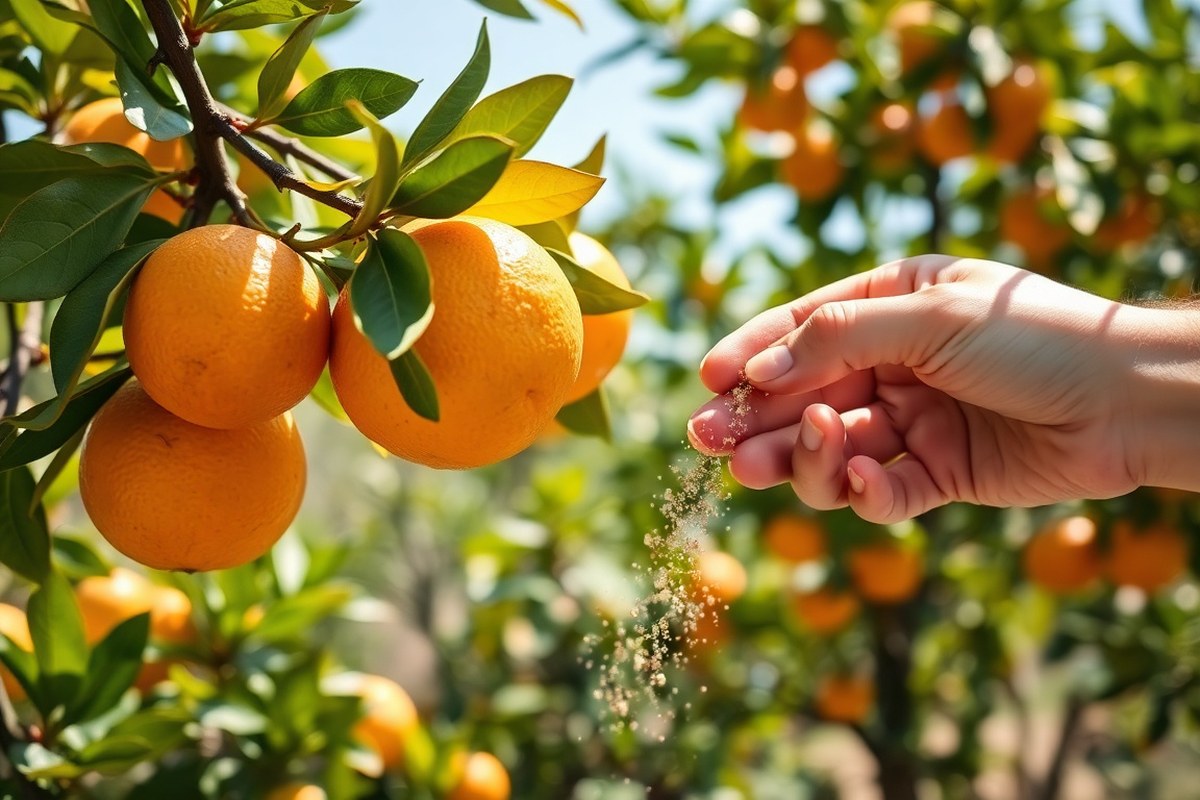
When to fertilise citrus trees is a common question for gardeners. The best time to feed them is during their growing season, typically spring through summer. This is when they need nutrients most to support new growth and fruit production.
You should fertilise citrus trees every 2 to 3 months while they actively grow. Applying fertilizer at these intervals avoids nutrient burn and keeps the tree healthy.
Start feeding your tree in early spring when buds begin to break. Stop feeding before the tree goes dormant in fall.
For potted citrus, feed lightly more often, about every 4 to 6 weeks. Container soil loses nutrients faster, so more frequent but smaller doses work better. Always water deeply after fertilising to help nutrients soak into the root zone.
Key Takeaways
- Fertilise citrus trees mainly in spring and summer during active growth.
- Apply fertilizer every 2 to 3 months for in-ground citrus trees.
- Potted citrus trees need feeding every 4 to 6 weeks with smaller doses.
- Start fertilising once you see new growth or flower buds forming.
- Stop feeding citrus in fall to let the tree prepare for dormancy.
- Use a balanced fertilizer like 6-6-6 or 8-8-8 for young trees.
When Is the Best Time to Fertilise Citrus Trees?
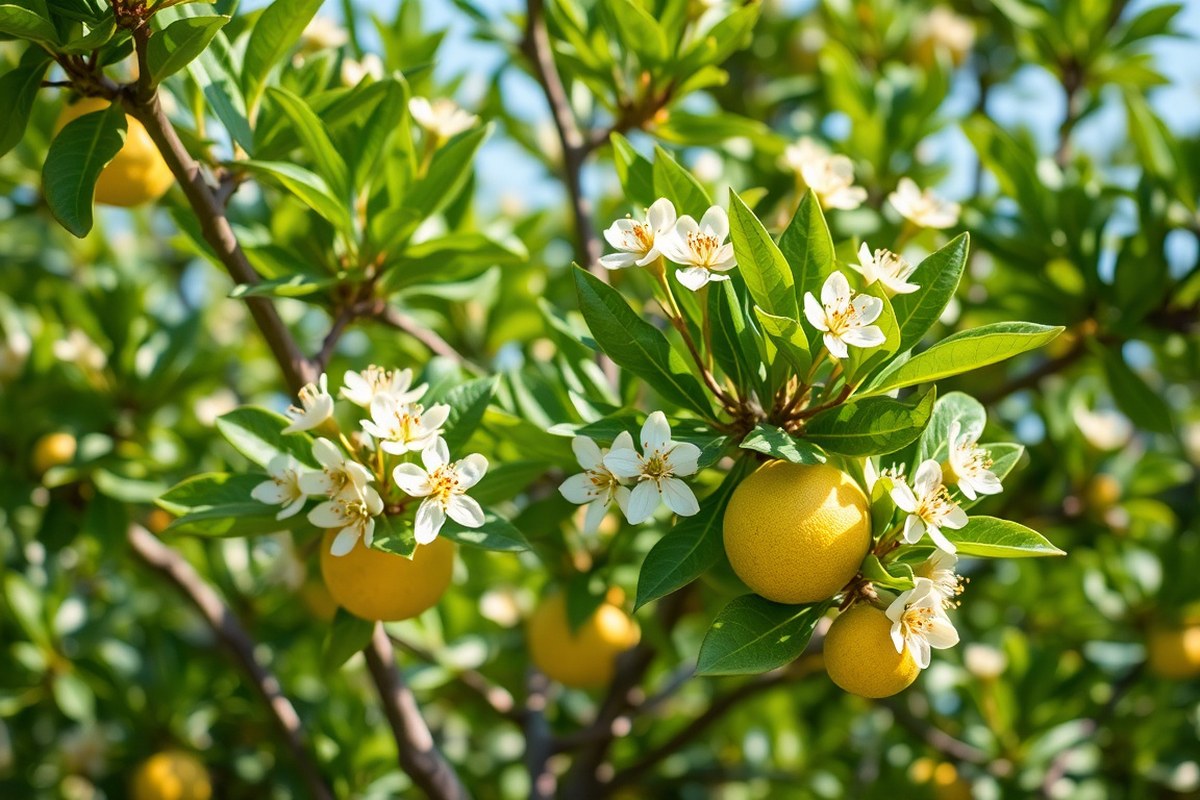
Start fertilising citrus trees in late winter or early spring once new growth appears. Continue feeding every two to three months through late summer or early autumn. This timing catches the active growing season, helping boost leaf growth, flowering, and fruit production.
For trees bearing fruit, use a high-potassium fertilizer after fruit sets to improve harvest quality. Light feeding during fruit development is safe and supports strong, healthy fruit. Avoid heavy fertiliser use during the cold dormant months to prevent root stress.
Young citrus trees need a higher nitrogen ratio for strong growth early in the season. After harvest, increase nitrogen feeding briefly before the tree slows growth in autumn. Stop fertilizing when temperatures drop below 50°F (10°C).
This helps the tree enter dormancy naturally. Avoid feeding the tree during this cooler season.
How to Adjust Fertilising for Potted vs In-Ground Citrus Trees
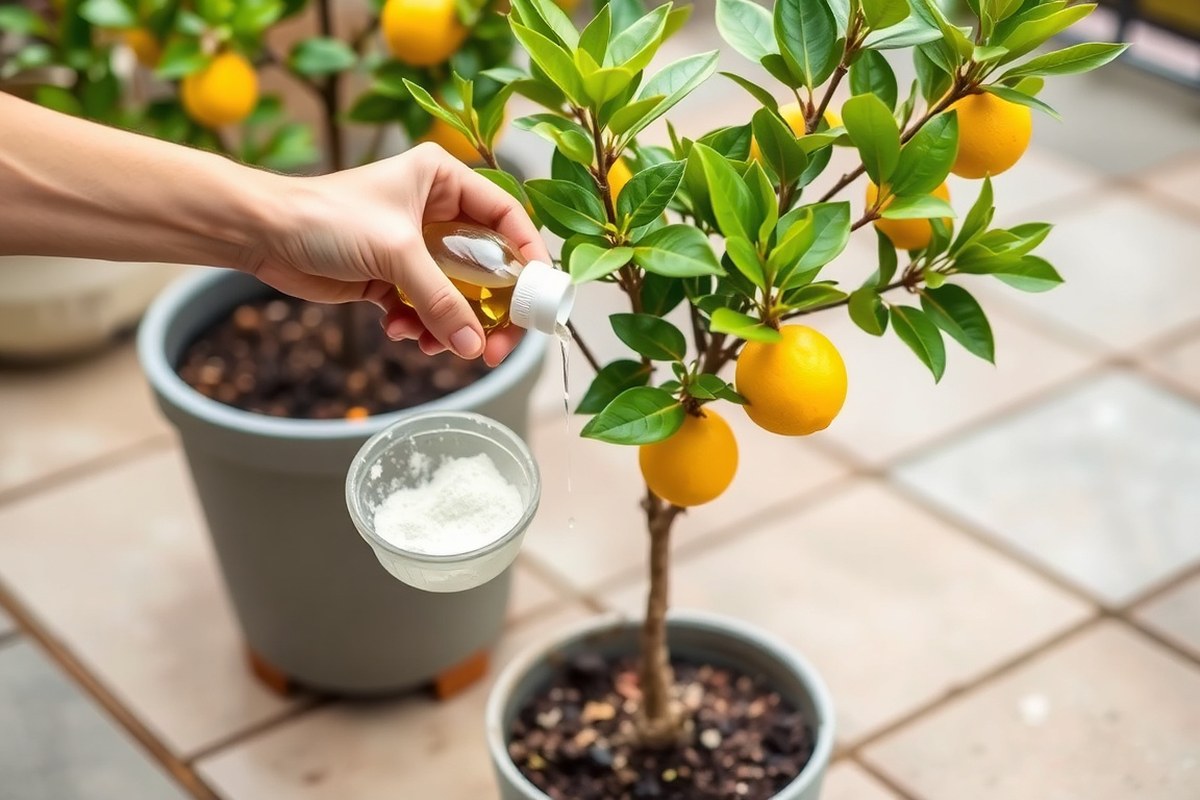
Potted citrus trees need to be fertilised more often than those planted in the ground. Container trees lose nutrients faster because of frequent watering. Use a balanced fertilizer with adjusted amounts.
Feed your plants carefully. This helps keep the soil healthy.
Fertilising Frequency for Potted Trees
Potted citrus trees usually require feeding every 6 to 8 weeks during the growing season. This is about three to four times from early spring through late summer.
The soil in containers dries out and loses nutrients faster. So frequent feeding helps maintain steady growth.
In contrast, trees planted in the ground only need fertilising about three times a year. Generally, those feedings happen around February, May, and September. Soil in the ground holds nutrients longer.
It also replenishes them naturally. This lowers the need for constant feeding.
Adjust fertilising frequency if your potted tree shows signs of nutrient deficiency or poor growth. Yellowing leaves or weak branches can mean the tree needs more frequent feeding. Just avoid fertilising during winter months, as trees usually rest then.
Recommended Fertiliser Types for Containers
Choose a fertilizer formulated for citrus with balanced nutrients like a 6-6-6 or 8-8-8 ratio. These give equal parts nitrogen, phosphorus, and potassium, which support leaves, roots, and fruits. You can find smaller packages labeled as Citrus Mix Fertilizer 6-3-3, which suits container trees well.
Use slow-release fertilizers designed for pots to avoid burning the roots. Liquid feeds also work but may need to be applied every two to four weeks. Avoid fertilizers with very high nitrogen that might stress container trees more than in-ground ones.
Always check the fertilizer label and never overfeed your potted citrus, as salts build up easily.
Here are good fertilizer options for potted citrus trees:
- Balanced granular fertilizer like 6-6-6 or 8-8-8
- Citrus Mix Fertilizer 6-3-3 in smaller bags or boxes
- Slow-release formulas with added micronutrients
- Liquid fertilizers made for citrus to supplement
- Organic options with compost for improved soil health
- Specialty blends designed for container or indoor plants
Watering and Nutrient Retention Differences
Container-grown citrus trees need more frequent watering than those planted outdoors. Pots dry out quickly, especially in hot weather. Frequent irrigation causes nutrients to wash out, which demands more regular fertilising.
In-ground trees have soil that retains moisture and nutrients better. Their roots spread wider, reaching natural soil minerals that pots can’t provide. Because of this, in-ground trees are less prone to nutrient loss from watering.
Water pots deeply but less often. Let the soil top dry slightly before watering again. This helps keep nutrients in the soil.
Slow-release fertilizer slows nutrient loss. Mulching controls moisture loss.
Both help stop nutrients from washing away. Regularly test your potting soil pH, aiming for 5.8 to 6.0, to keep nutrients available for the tree.
Understanding Fertiliser Types and Nutrient Ratios for Citrus
Citrus trees do best with fertilizers high in nitrogen. A typical NPK ratio around 3-1-1 or 3-1-2 works well. For example, nutrients like 15-5-10 or 12-4-4 feed the tree’s growth and fruiting.
It’s important to choose fertilizers made specifically for citrus or fruit trees. These are more likely to have the right balance of nutrients your trees need.
Key micronutrients are iron, manganese, zinc, and magnesium. They stop leaf yellowing and boost fruit taste. Pick a fertilizer showing these nutrients on its label.
Organic options include compost and manure with natural benefits. Synthetic choices work quicker but require precise timing. Your decision should match your gardening style and plant needs.
| Product | Type | NPK Ratio | Best For |
|---|---|---|---|
| Dr. Earth Citrus | Organic | 5-2-2 | Eco-friendly gardens |
| Miracle-Gro Citrus | Synthetic | 8-2-4 | Fast results |
| Jobe’s Citrus Spikes | Slow-Release | 9-12-12 | Low maintenance |
Slow-release products lower the risk of overfeeding. For a busy gardener, spikes or slow-release granules work well. Organic fertilizers improve soil health but might take longer to show effects.
Synthetic fertilizers give quick green-up but need regular applications. Check the NPK label on the package before buying.
Make sure it fits the recommended ratios for citrus. Adjust based on your tree’s size, age, and leaf condition.
How to Calculate and Apply the Right Fertiliser Amount
Fertilizer amounts depend on your citrus tree’s age and size. Use smaller doses for young trees and larger ones for mature trees. Apply the fertilizer evenly around the tree’s drip line to boost absorption and avoid waste.
Calculating Fertilizer Quantity by Tree Size
Young trees aged 1 to 3 years need 1 to 2 pounds per feeding. Use 12-4-4 fertilizer for best results. Feed them regularly for healthy growth.
As trees grow older and taller, increase the amount proportionally. Mature trees over 12 years need 12 to 18 pounds a year.
Spread this amount out instead of one big feeding. Divide it over several times yearly.
The right amount matters because overfeeding can harm your tree and pollute soil. Spread fertilizer about 30 inches from the trunk for young trees. For larger trees, apply it in a circle under the branch tips or drip line.
Best Practices for Fertilizer Application
Granular fertilizers work best when spread around the base and watered in well. Liquid fertilizers give fast results when mixed with water and poured near the root zone. Mix organic fertilizer into the top few inches of soil.
You can also use it as a top dressing on soil. This helps nutrients reach the roots.
Breaking the total yearly fertilizer into several smaller doses improves nutrient uptake. Applying it slowly over months helps your tree absorb food without shock or leaching. Water the tree after each application to carry nutrients to the roots.
Scheduling Reapplications During Growing Season
Feed your citrus tree monthly from February through October to keep steady growth. Young potted trees need feeding every 6 to 8 weeks. Nutrients wash out faster in pots, so feed more often.
This keeps them healthy and growing. Always stop fertilizing before the tree’s dormant period.
Split the total yearly fertilizer into three or more doses to match your tree’s growth needs. This schedule reduces the risk of burning roots and encourages continuous fruit production. Follow these steps for calculating and applying fertilizer:
- Identify your tree’s age and approximate height.
- Choose a balanced citrus fertilizer with a ratio like 12-4-4 nitrogen-phosphorus-potassium.
- Add up the yearly fertilizer you need for your trees. Young trees need 1-2 lbs per feeding. Mature trees require up to 18 lbs a year total.
- Divide total yearly fertilizer into equal monthly doses during the growing season.
- Spread granular fertilizer evenly around the drip line or apply liquid fertilizer near roots.
- Water the fertilizer in immediately after application for better absorption.
- Repeat feeding every 4 to 6 weeks or every 6 to 8 weeks for potted trees.
How Regional Climate Affects Citrus Fertilisation Timing
Citrus trees in zone 9 usually need fertilizing starting in early spring. Apply fertilizer once you see new growth, and stop by late summer. This timing helps avoid pushing growth before cold weather comes.
In contrast, zone 10’s warmer climate lets you start fertilizing earlier, even in late winter. Trees can keep growing longer into fall in zone 10. So your last feeding can be later.
Winter cold slows the tree’s growth and can cause damage if fertilizer pushes fresh growth. Fertilizing right before a frost can make the roots sensitive and burn them. You should avoid feeding citrus trees during freezing months.
This is very important in colder parts of zone 9. Freezing can harm the tree after feeding. Mild winter areas, like parts of Queensland, may still feed lightly.
Western Australia also has similar mild winter conditions. Light feeding can help trees stay healthy. The safest way is to stop feeding in late summer.
You can also stop in early fall to be safe. Keep an eye on local frost forecasts.
Humidity and rainfall change how often you fertilize. In arid climates like Arizona, trees need fewer water-based nutrients but still rely on regular feeding. Spread the fertilizer out by 2 or 3 applications from late winter through early summer.
These help the tree get steady nutrients without wasting them in dry soil. Humid climates like Florida allow longer growing seasons with more frequent feeding.
You can fertilize more often during active growth periods. But reduce or skip late fall feedings if you expect cold weather.
Watch your local weather closely. Use the timeline of early spring to late summer. But adjust depending on how cold or warm your area stays.
Trees in colder places need fewer, earlier applications. Those in warm zones can take more frequent feedings. Always follow the fertilizer product instructions carefully.
Avoid applying too much fertilizer to prevent root burn. Excess growth can also harm the tree. Slow-release fertilizers simplify timing but still check local conditions before adding more.
Check your local frost dates before late-season fertilizer use. This helps protect your citrus roots from cold damage. Timing fertilizer correctly is key to tree health.
Signs Your Citrus Tree Needs Fertiliser or Is Over-Fertilised
Look for pale or yellow leaves to spot a nutrient deficiency. Slow or sparse growth also signals your citrus needs more feeding. Trees losing fruit early may lack potassium or nitrogen.
Dry, stressed leaves can mean calcium or moisture issues. Over-fertilised trees often show rapid, lush growth but weak wood and fewer fruits.
Leaf burn or crisp edges are signs of too much fertilizer. Excess salts in soil damage roots and stop nutrient uptake.
Correct these by adjusting your feeding plan fast. Stop adding fertiliser immediately if you see burn marks. Flush the soil with water deeply to wash out salts.
Use a soil test or a nutrient meter for precise info. Add compost or worm castings to improve soil health after flushing.
When growth resumes, apply a balanced citrus fertiliser slowly and in smaller amounts. Always water well before and after fertilising to help absorb nutrients.
- Pale, yellowing leaves suggest nitrogen or iron deficiency
- Slow growth means lacking nitrogen or phosphorus
- Typical signs of over-fertilising: leaf burn, edges curl up
- Rapid, weak growth means too much nitrogen, less fruiting
- Dry leaves often lack calcium or water stress
- Flush soil with water if over-fertilized and harmful salts build up
- Use slow-release or balanced fertiliser after recovery
For potted citrus, watch for nutrient loss as watering flushes fertilizer away. In-ground trees may show deficiency slower but fix it with extra feeding in spring. Correcting imbalances early saves your tree’s health and fruit yield.
Too much or too little can stress roots, make leaves drop, or cause irregular fruit shapes. Regular checks and small, targeted feeds keep your citrus growing strong.
When and How to Stop Fertilising Before Dormant Periods
Citrus trees need to stop getting fertilizer before winter to avoid stressing the roots. Feeding late in the season can cause new growth on the tree. This new growth won’t harden before cold weather.
That can hurt your citrus tree. This extra growth risks damage or disease during dormancy.
You can feed citrus until late summer or early fall. Usually, that means feeding until September in most U.S. Areas.S. Climates. Mark Thompson from the University of Florida recommends feeding in late summer.
Feed after heavy summer growth ends but before the tree slows. Stop fertilizer by late summer to help the tree store energy. This prepares it for winter and spring’s new growth.
The rule to decide when to stop is to watch temperatures and growth. Stop fertilizing when daily highs stay below 70°F. Also stop when new shoots stop growing naturally. This gives the tree time to slow down and rest naturally.
For container trees, feed once a month through early fall. After that, stop to protect root health.
Stopping fertilizer too early can prevent the tree from storing enough nutrients for winter. The tree might enter dormancy weak and struggle in early spring.
On the other hand, feeding too late causes tender growth that freezes or catches pests easily. Both timing mistakes reduce your citrus tree’s health and fruit quality.
For indoor citrus trees, the stop date is similar but shifted slightly later. Fertilize citrus from mid-spring through early fall.
Then stop as growth slows with cooler indoor temperatures. That timing helps indoors trees adjust without shock.
Keep an eye on soil pH and moisture late in the season, too. A simple soil test in fall helps confirm your tree’s nutrient levels. Adjust only when necessary, since overfeeding late in the year does more harm than good.
Common Fertilising Mistakes and How to Avoid Them
Common mistakes in fertilising citrus trees often cause poor growth and weak fruit. You can avoid these problems by using the right amount of fertiliser. Choose proper fertiliser and adjust for your soil conditions.
This helps keep your citrus trees healthy. Preventing these errors protects your trees and improves fruit quality.
Over-Application and Nutrient Burn
Applying too much fertiliser damages roots and leaves, leading to nutrient burn. This problem happens when gardeners use too much fertiliser all at once.
It also occurs if you fertilise during rainy weather. Both can wash nutrients away.
Fix this by splitting the total fertiliser into two or three doses. Apply from early spring to late summer for best results. This helps the trees absorb nutrients better.
Lightly rake the fertiliser into the top 1 to 2 inches of soil. This reduces runoff and helps the fertiliser soak in. Avoid leaving it just on the surface.
- Use a fertiliser recommended for citrus, like 7-3-3 blends with micronutrients.
- Follow label rates carefully to avoid overfeeding.
- Water after fertilising to help nutrients soak in.
- Space fertiliser applications evenly during the growing season.
- Avoid fertilising during fruit bloom or cold weather.
Don’t overload your soil with fertiliser in one go. Slow feeding helps trees absorb nutrients safely.
Ignoring Soil pH and Nutrient Interactions
Soil pH affects nutrient availability. Citrus trees prefer slightly acidic to neutral soil, about pH 6 to 7. PH problems stop key nutrients like phosphorus or magnesium from absorbing well.
Your soil must have the right pH for good nutrient uptake. Check soil pH regularly for your citrus trees.
Test your soil pH or have it tested at a local extension office. When pH is too high or low, use elemental sulfur to lower it. Use lime to raise pH if it is too low.
This balances soil for better nutrient availability. Adjust gradually by adding these amendments in small amounts over several months.
Some nutrient problems also come from imbalanced fertiliser or ignoring the interactions between nutrients. Excess nitrogen can cause lush leaves but poor fruit set. Low potassium hurts fruit quality.
Using Inappropriate Fertiliser Types
Not all fertilisers work well for citrus. General-purpose fertilisers might lack the specific nutrients citrus needs, like extra potassium and magnesium. Using a balanced citrus-specific fertiliser supports roots, growth, and fruit development.
Choose fertiliser products made for citrus, like Yarafert blends or Biofast. These match the nutrient needs at each growth stage.
Using the right product helps your trees thrive. These options usually cost more but prevent stress that cheaper mixes cause.
- Use high-potassium formulations during fruit set to improve fruit quality.
- Apply balanced NPK fertiliser in fruit maturation for root health.
- Include calcium to prevent disorders like blossom-end rot.
- Avoid fertilisers high in nitrogen during bloom to prevent excessive leaf growth.
Citrus trees respond best when fertiliser matches their changing needs through the season. Using the right type reduces waste and boosts harvest size.
Step-by-Step Action Plan for Fertilising Citrus Trees
Follow these timed steps to fertilise your citrus tree effectively and see healthy growth.
- Early Spring: Apply a balanced citrus fertiliser to support new growth. Look for bright green leaves within a few weeks.
- Late Spring: Repeat fertiliser application if growth slows or leaves look pale. New shoots should appear healthy and strong.
- Early Summer: Check soil moisture and fertilise again if the tree is still actively growing. Ensure water is adequate to avoid fertiliser burn.
- Mid to Late Summer: Reduce fertiliser frequency as growth slows. Watch for any yellowing leaves, which may signal nutrient need.
- Early Fall: Stop fertilising to prepare the tree for dormancy. Leaves will start toughening and growth will slow naturally.
- Winter (Dormant Period): Do not fertilise. Keep the tree dry and protected from frost if needed.
- For Potted Trees: Fertilise monthly during active growth with half the amount used for in-ground trees. Check roots for crowding every spring and repot if necessary.
Frequently Asked Questions
Is It Okay to Fertilize a Citrus Tree When It Has Fruit on It?
Yes, you can fertilize citrus trees with fruit. Use a balanced fertilizer to support fruit development without stressing the tree. Avoid over-fertilising because too much fertilizer can harm fruit quality.
How Do I Know If My Citrus Tree Needs Fertilizer?
Look for slow growth, pale leaves, or small fruit. Those signs mean your tree might lack nutrients. A soil test can also show if fertilizer is needed before applying.
What Is the Best Fertilizer for Citrus Trees?
A balanced citrus fertilizer like 6-3-3 works well for established trees. Young trees need higher nitrogen.
Fruiting trees benefit from more potassium to boost harvests. Choose one with trace elements included.
When Should You Not Prune Citrus Trees?
Avoid pruning during heavy fruit production or late fall. Pruning then can reduce next season’s yield or expose the tree to disease. The best time is just after harvest or early spring.
When Is the BEST Time to Fertilize Citrus?
Early spring, right before new growth starts, is the best time. Feeding in active growth periods helps the tree absorb nutrients effectively. Avoid fertilizing during dormancy.
Can I Fertilize Citrus Trees in Winter?
No, avoid fertilizing in winter when trees are dormant. Feeding then wastes fertilizer and can stress the tree. Wait until buds begin to swell in early spring.
Key Points to Remember
Timing your fertiliser around your tree’s growth phases improves its health and fruit. Start with early spring feeding to jumpstart growth. Check your tree’s leaves regularly to spot any nutrient needs early.




One Comment