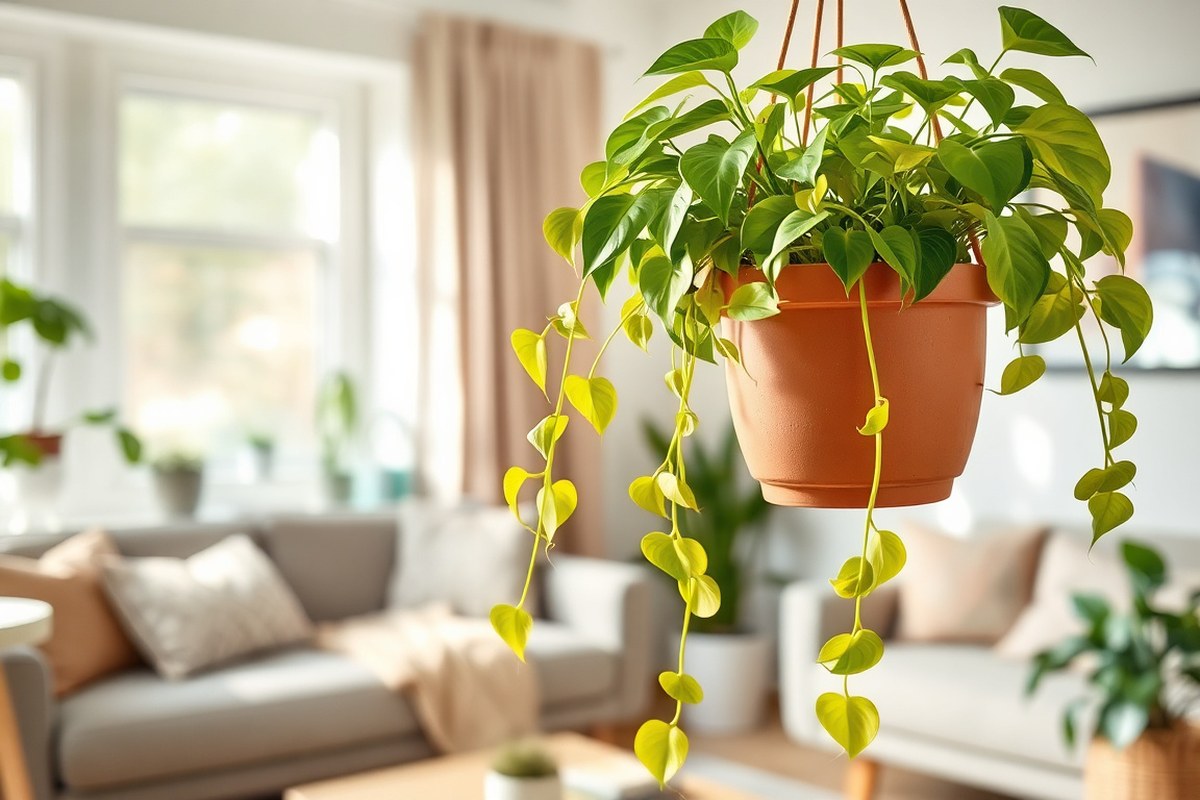
How to Care for Golden Pothos: A Complete Guide for Healthy Growth
How to care for golden pothos starts with understanding its watering needs. Water your plant once every one to two weeks. Let the soil dry between waterings.
Avoid watering when the soil still feels moist. This approach keeps the roots healthy and prevents overwatering, which can cause root rot.
Golden pothos prefers bright, indirect light and warm temperatures between 65 and 85 degrees Fahrenheit. Keep your plant away from cold drafts or heating vents. Sudden temperature changes can stress it.
Stress slows down the plant’s growth. Keep your plant in a cozy spot where temperatures stay steady.
Choosing the right soil and pot is also key for healthy pothos growth. Use a soil-based potting mix with added porous materials to help with drainage and aeration. Pick a pot with drainage holes to stop water from pooling around shallow fibrous roots.
Key Takeaways
- Water golden pothos every 1-2 weeks, letting soil dry between.
- Place your plant in bright, indirect light for steady growth.
- Keep temperature between 65-85°F and avoid cold drafts or vents.
- Use a soil-based mix with added pore materials for drainage.
- Choose a pot with drainage holes to prevent water buildup.
- Repot your pothos every 1-2 years to refresh soil and roots.
How to Water Your Golden Pothos for Best Growth
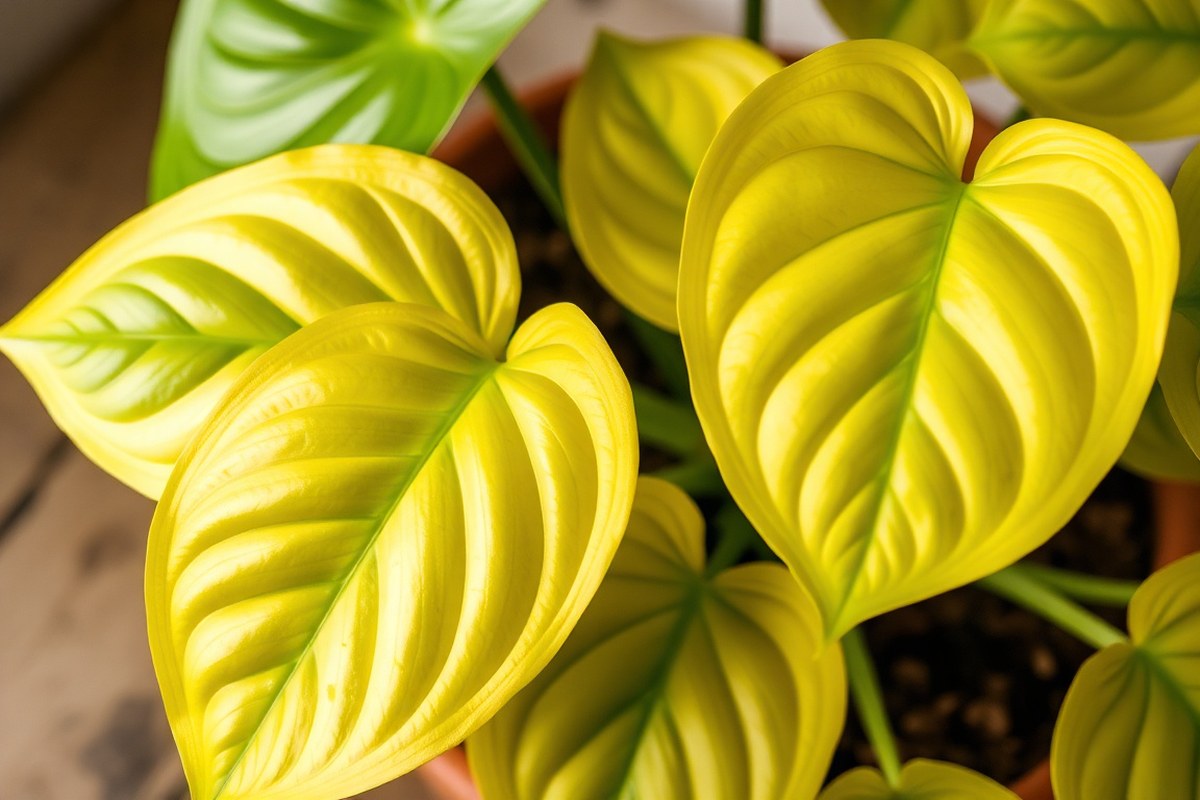
Water your golden pothos once every 1 to 2 weeks. Check the soil and water again when the top 1 to 2 inches feel dry. In bright light or warm rooms, water about once a week to support growth.
Cut back on watering during cooler months or lower light. Your pothos will slow down and need water every 2 to 3 weeks. Hanging baskets dry out faster than pots.
You may need to water every 7 to 10 days. This keeps them moist enough and happy.
Watch for signs of trouble. Overwatering shows as soggy soil, yellowing leaves, or water-soaked spots. Letting soil stay wet for over a week can cause root rot.
Root rot can kill the plant, so avoid overwatering. Underwatering means dry, crusty soil with wilting leaves and brown edges on the foliage.
Keep your watering consistent to avoid leaf tip browning. Letting soil dry out a little between waterings keeps roots oxygenated. Limp leaves with moist soil usually mean you’re watering too much.
Cut back on watering to help the plant recover. Limp leaves with dry soil tell you it needs water right away. Give it a good drink to perk it up.
Adjust your watering by season and room conditions. In warmer air around 70 to 80°F, your pothos uses water faster.
Cooler spots near 55 to 65°F slow down water needs because the plant grows slower. Avoid cold drafts, which stress the plant and affect how it takes up water.
Use your finger to check moisture a few inches down to decide when to water. Keeping a simple journal with watering dates and notes helps.
This shows you the best watering schedule for your home. Remember, the biggest watering mistake for golden pothos is giving too much water too often.
Choosing Ideal Light and Temperature for Golden Pothos
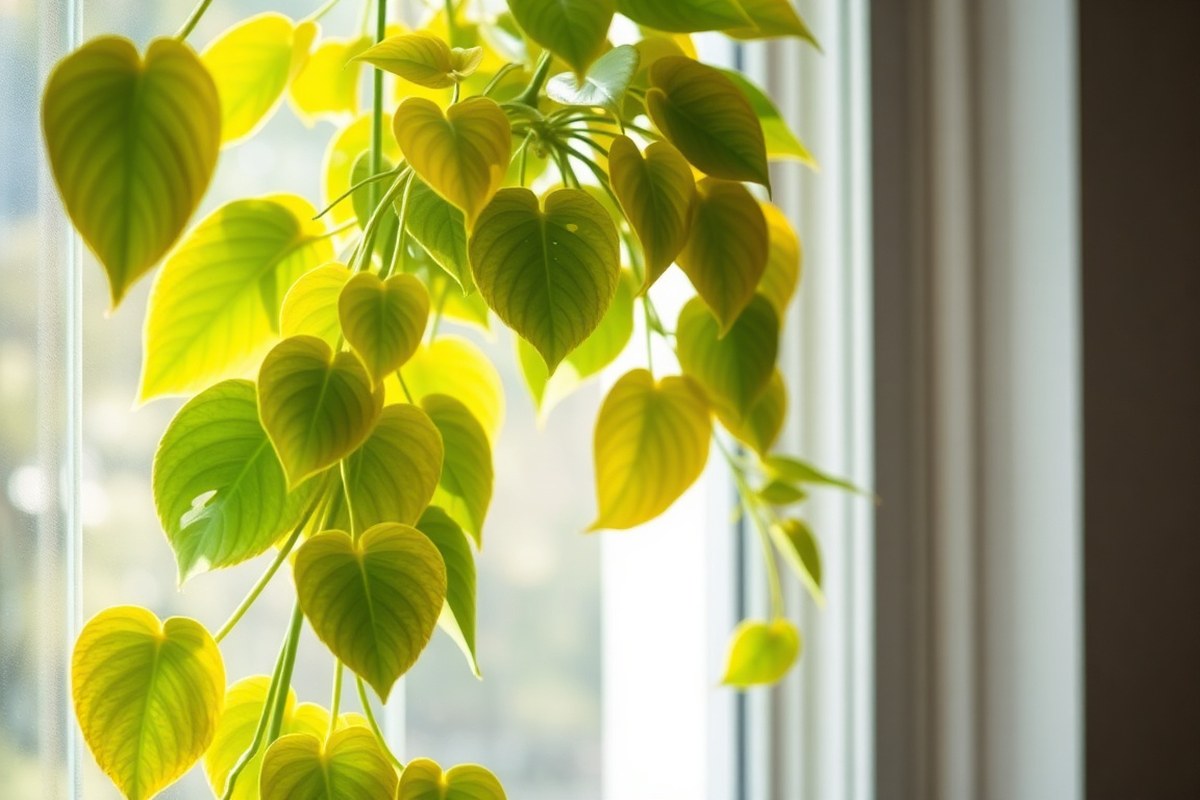
Golden pothos grows best in bright, indirect light but it can handle lower light levels. This plant grows well near east, west, or south windows. Such windows should provide filtered sunlight daily.
Limit direct sun for a few hours each day. Avoid putting it in direct afternoon sun outside early morning or evening sun.
Too much direct light will scorch the leaves. Too little light can dull its variegation.
| Light Intensity | Position and Duration | Effect on Growth |
|---|---|---|
| High (Bright Direct Sunlight) | Next to a sunny window (4-8 hours) | Not recommended; leaf burn, variegation loss |
| Moderate (Bright Indirect Light) | 4-8 feet from east, west, or south windows | Promotes vibrant variegation, healthy growth |
| Low (Indirect/Filtered Light) | Near north-facing windows or 8+ feet from window | Slower growth; variegation may fade |
The ideal temperature range for golden pothos is 70°F to 90°F (20°C to 32°C). Temperatures below 60°F (15°C) can slow growth and make the plant more prone to damage.
Avoid placing your pothos near cold drafts, like air conditioners or open doors during winter. Overheating above 90°F can stress the plant and dry the leaves quickly.
Keep your pothos in a consistently warm, draft-free spot indoors. A temperature stable between 65°F and 80°F works well for everyday growth. You might notice fewer vines or slower leaf production when it’s too cold or hot.
Keep golden pothos away from sudden cold drafts. Avoid long exposure to harsh midday sun. This protects its leaves and keeps them healthy.
Selecting the Best Soil and Pot for Your Golden Pothos
Golden pothos grows best in soil that drains well and lets air flow around its roots. You want a crumbly soil that stops water from sitting too long.
A mix of potting soil, peat moss, and perlite often works well. This blend keeps the roots happy by preventing soggy spots and letting oxygen in.
Choose a pot with drainage holes at the bottom. Pots without holes trap water and cause root rot.
Pick a pot that’s about 1 to 2 inches wider than your plant’s current root ball. A pot too big holds excess water, which slows drying and can harm the plant.
Repot your golden pothos every one to two years during spring. This refreshes the soil and matches the pot size to your plant’s growth. Avoid repotting too soon since that can keep the soil wetter longer, causing damage.
Follow these steps to prepare the right soil and pot for your golden pothos:
- Gather one part peat moss or coconut coir, one part potting soil, and one part perlite.
- Mix these ingredients thoroughly in a bucket or large container.
- Pick a pot with drainage holes. Make it 1-2 inches bigger than the root ball. That gives your plant room to grow.
- Place broken clay pot shards or small stones on the pot bottom to boost drainage.
- Fill the pot about halfway with your mixed soil blend.
- Set the plant gently in the pot and fill around the roots with more soil mix.
- Press soil lightly to secure the plant but avoid packing it too tight.
- Water the plant lightly after potting, then let the top inch dry out before watering again.
You can use cactus or succulent soil mix. Add extra perlite or pumice to improve drainage. This helps keep roots healthy.
Common mistakes are using heavy garden soil or a pot without holes. These keep water from draining fast, hurting your pothos over time.
When and How to Repot Golden Pothos for Healthy Roots
Golden pothos usually need repotting every 1 to 2 years. This helps prevent the roots from becoming cramped and keeps the plant growing strong. Watch for roots growing out of drainage holes or circling inside the pot.
The plant needs repotting if growth slows or the soil dries fast. Yellowing leaves and stunted growth can also mean the roots lack space.
Roots can appear above soil or the plant may feel crowded. Gently taking the pothos out of its pot helps check this.
Handle your golden pothos with care during repotting to avoid root damage. Pick a pot that’s 1 to 2 inches bigger across. Use fresh houseplant soil or a potting mix that drains well.
Follow these steps to repot your pothos with care:
- Water the plant a day before repotting to reduce stress and loosen the soil.
- Gently remove the plant from its current pot by tipping it and easing the soil out.
- Inspect the roots, trimming any that are rotted, dry, or damaged with clean scissors.
- Start by adding fresh soil at the bottom of your new pot. This layer helps hold and support the roots properly.
- Put your plant in the new pot carefully. Keep the same soil depth it had before.
- Fill around the rootball with fresh soil, lightly pressing to remove air pockets.
- Water the pothos thoroughly until water drains from the bottom, ensuring soil settles.
- Put the plant in indirect light and avoid fertilizing for about a month to reduce stress.
Repotting usually costs just the price of new soil and a pot, both widely available. The process takes about 30 minutes and promotes healthy, vibrant leaves and vigorous growth. Avoid repotting in winter, when plants grow slowly, or too often, which can shock roots.
Pruning Techniques to Maintain Shape and Encourage Growth
Pruning your golden pothos keeps it healthy, full, and the right size for your space. Cut back long vines just above a leaf node to encourage thicker growth. This also helps fix leggy vines, making your plant look balanced and lush again.
Best Tools for Pruning
Use clean, sharp scissors or pruning shears to avoid crushing the stems. Dull tools can damage the plant and slow healing. Wash your tools with rubbing alcohol before pruning to prevent spreading diseases.
Keep a small spray bottle nearby. Use it to moisten cut ends.
This helps if you want to propagate them later. Having a trash bag or container nearby helps you quickly clean up fallen clippings.
Pruning to Control Size and Shape
Trim your pothos when vines get too long or reach unwanted spots. Cut just above the leaf node so new shoots grow from that point. This encourages fuller, bushier vines.
Prune during the growing season, typically from early spring to late summer. You can take off dead leaves.
Yellow leaves also need removal. This keeps your plant looking neat.
Trim your plant regularly. This helps it stay balanced. It stops it from looking overgrown or sparse.
Fixing Leggy Vines with Pinching and Cutting
Leggy vines have long stems and few leaves. This happens from low light or no pruning.
Move your pothos closer to a brighter spot to encourage new growth. Then, prune or pinch back those long vines.
Pinching means using your fingers to remove the growing tips, not just scissors. This tells the plant to produce side shoots, making the vine denser. You can also trim a leggy vine halfway back to the nearest leaf node.
Pinching and pruning often prevents legginess. It keeps your plant compact. It also helps it stay healthy.
- Identify vines that are too long, leggy, or have dead leaves.
- Disinfect your scissors or pruning shears with rubbing alcohol.
- Cut the vine just above a leaf node to encourage branching.
- Pinch off the growing tip with your fingers on leggy vines. Avoid cutting it.
- Remove any yellow or damaged leaves during pruning.
- Place clippings in water or soil if you want to propagate them.
- Move the plant to a brighter spot if growth looks sparse or stretched.
Always prune with clean tools to avoid infections that can harm your pothos.
Propagation Methods: Water, Soil, and Air Layering Compared
Golden pothos can be propagated by water, soil, or air layering. Each method has its pros and cons depending on your space and patience. Water propagation is simple to watch because you see the roots grow.
Soil helps roots start strong and settle faster. Air layering can bring bare stems back on older plants.
| Method | Pros | Cons | Time to Root | Best For |
|---|---|---|---|---|
| Water Propagation | Easy to watch root growth, low cost | Requires water change, slower transplant | About 4 weeks | Beginners, small cuttings |
| Soil Propagation | Roots settle directly in soil, less transplant shock | Harder to see progress, risk of overwatering | 4-6 weeks | Experienced growers, larger cuttings |
| Air Layering | Revives old or bare stems, faster established roots | More equipment needed, more complex steps | 3-6 weeks | Mature plants, bare vines |
Water Propagation Steps
Water propagation is a simple way to grow new roots while watching progress. Use 4 to 6 inch cuttings with a few leaves and one node below the cut. Change the water every week to avoid bacteria growth.
- Cut a 4 to 6 inch stem below a leaf node.
- Remove leaves near the bottom to avoid rotting in water.
- Place the cutting in a jar of filtered water, submerging the node.
- Keep the jar in bright, indirect light around 65-75°F.
- Change water every 5 to 7 days to keep it fresh.
- Wait about 4 weeks for roots to appear, 1-3 inches long.
- Transfer rooted cuttings to soil if desired, or keep in water.
Soil Propagation Instructions
Soil propagation encourages direct root growth into the potting mix. Use moist but well-draining soil.
Cover the cutting with a plastic bag to keep humidity. Water sparingly and avoid overwatering to prevent rot.
- Select a healthy 4 to 6 inch stem cutting with a leaf node.
- Remove lower leaves to expose the node for planting.
- Fill a small pot with moist, well-draining potting soil.
- Insert the node about 1 inch deep into the soil.
- Cover pot loosely with clear plastic to keep humidity high.
- Place pot in warm, indirect light, 65-75°F.
- Water only when topsoil feels dry, usually every 7-10 days.
- Check for root growth after 4 to 6 weeks by gentle tugging.
Air Layering Explained
Air layering lets roots form on a stem before cutting it off the main plant. Wrap moist sphagnum moss around a wounded section of the stem and cover it with plastic. This method is best for vines low on the plant without many leaves.
Keep the moss moist and wait 3 to 6 weeks for roots to grow. When roots grow through the moss, cut just below them. Plant the new stem with roots into soil.
This helps the plant grow healthy and strong. Air layering avoids the bare-stem shock from cutting early.
Identifying and Managing Common Pests and Diseases
Golden pothos plants usually attract pests like mealybugs, spider mites, and scale. Mealybugs look like tiny white cottony spots on plants. Spider mites cause webbing and make leaves small and yellow.
Scale pests show as brown bumps on leaves and stems. These pests damage the plant by sucking sap, which weakens the vines and halts growth.
You can spot early disease signs by checking for leaf spots, wilting, or root rot. Fungal infections often cause black or brown patches on leaves and mushy roots. Overwatering invites rot, so look for soggy soil or foul smells from the pot.
- Mealybugs: wipe leaves with a cotton swab dipped in rubbing alcohol.
- Spider mites: spray leaves with water regularly to wash them off.
- Scale insects: scrape off gently with your fingernail or soft brush.
- Fungal disease: avoid watering leaves, let soil dry between waterings.
- Root rot: repot in fresh, well-draining soil if roots turn black and soft.
- Use insecticidal soap for stubborn infestations, follow label directions.
- Consider neem oil spray for a natural, less-toxic pest control option.
Keeping your golden pothos healthy lowers pest and disease risks a lot. Stress from too much water or poor light invites pests. Regularly check leaves and stems every week to catch problems early.
Find pests? Isolate the plant to stop pests from spreading. For treatments, spray insecticidal soap at least twice, spaced one week apart.
Neem oil works best on warm days. Don’t overuse it. It can hurt helpful insects nearby.
Plants treated properly recover leaf shine and stop losing growth. Avoid chemical sprays on plants where children or pets spend time. Costs vary for pest sprays.
Soap and neem oil sprays run $8 to $15 per bottle. You can buy them online or at garden centers.
A small bottle lasts many treatments. So consider those your first choice before stronger chemicals.
Recognizing and Fixing Yellow and Brown Leaf Problems
Yellow leaves on your golden pothos usually mean you’ve overwatered it. The plant’s roots sit in soggy soil, which stops them from getting oxygen.
This causes the leaves to yellow and the vines to wilt. Pull off any fully yellow leaves at their nodes to keep your plant looking fresh.
Brown leaf tips or edges often result from light problems or dry air. Too much direct sunlight can scorch the leaves, turning them brown. On the other hand, very low humidity may dry leaf tips.
Check if your pothos gets bright, indirect light or if it bakes near a window. Adjust the light or move your plant to a spot with filtered sun.
Sometimes yellowing can happen from nutrient shortages, though it’s less common than watering issues. Look for pale yellow between leaf veins, which signals a nitrogen or magnesium deficit. Feed your pothos with a balanced, water-soluble fertilizer every 4 to 6 weeks.
Do this only during its growing season. This helps fix nutrient issues. Avoid overfeeding, which can stress the plant more.
Use a simple decision tree to diagnose leaf issues. Are the leaves mostly yellow all over? Or are the yellow spots just in certain areas?
Check soil moisture if the leaves are yellow all over. Reduce watering if the soil feels soggy. Check light exposure if only the leaf tips turn brown.
Also check humidity levels around your pothos. Yellow between veins means your pothos might need feeding. Use a balanced fertilizer during the growing season.
To correct overwatering, let the soil dry about one inch down before watering again. Use a moisture meter or stick a finger into the soil to check.
Reducing watering frequency usually clears yellowing leaves in two or three weeks. Trim any damaged leaves slowly to encourage new growth.
Move your pothos away from direct sunlight if it has brown scorch marks. This helps protect the leaves. Use bright, indirect light instead.
Yellow leaves may happen if light is too dim. The plant struggles to photosynthesize and shows yellowing leaves.
Bright but indirect light helps keep variegation sharp and healthy. You can also mist the leaves or use a small humidifier if your home is dry.
Let the top inch of soil dry before watering again. Overwatering can cause yellow leaves on your pothos.
Fertilizing Your Golden Pothos: What, When, and How Much
Golden pothos thrive with a balanced fertilizer, such as a 10-10-10 or 20-20-20 formula. These numbers mean equal parts nitrogen, phosphorus, and potassium, which feed leaves, roots, and overall growth. Liquid fertilizers work best for easy absorption through the soil or sprayed on leaves.
Feed your plant every one to three months from spring through summer. Growth slows in fall and winter, so cut back or stop fertilizing then. If your pothos grows under a grow light all year, you can keep feeding but less often.
Fertilizer can spark growth when your pothos looks slow or sparse. Avoid overdoing it.
Too much fertilizer can burn roots and cause leaf tips to brown. Use mild doses and water well after feeding to prevent damage.
Here are clear steps to fertilize your golden pothos safely and effectively:
- Choose a balanced liquid fertilizer with equal N-P-K numbers. Popular options cost around $10 to $20 per bottle.
- Mix the fertilizer at half the strength recommended on the label for houseplants. This safer dose lowers burn risk.
- Apply the diluted fertilizer to moistened soil, not dry soil, to help nutrient uptake.
- Feed every 1 to 3 months during active growth seasons, usually from March through September.
- Skip fertilizing if you recently repotted the plant, since fresh soil has nutrients already.
- Reduce or stop feeding in fall and winter unless your pothos grows under artificial light.
- Flush the soil with water every few months to prevent fertilizer salt buildup. Let excess water drain away.
- Watch for leaf yellowing or burned tips; these can signal fertilizer issues. Cut back if needed.
Supporting Vine Growth: Training and Maintenance Techniques
Golden pothos vines can climb supports or trail freely for a stylish look. You can grow vines up to 10 feet long indoors. Training them helps keep your plant healthy and adds interest to your space.
Choosing Support Structures
Use moss or coco coir poles for climbing vines that want moisture. Trellises work well if you want a flat, vertical display. Hanging baskets let vines trail attractively for a different effect.
Each support suits a different style or space. Moss poles encourage bigger leaves and upright growth.
Baskets show off vines spilling down naturally. Choose based on your room and plant size.
- Moss and coco coir poles hold moisture and encourage climbing
- Trellises provide vertical support, easy to attach vines
- Hanging baskets let vines cascade downward freely
- Wall-mounted grids or wire frames for custom vine patterns
- Simple stakes for small setups or training single stems
Installing Moss and Coco Coir Poles
Pick a pole height that matches your plant’s potential growth. In good conditions, pothos vines can reach 10 feet tall. Insert the pole deep enough to stand firmly in your pot.
Use plant ties, twist ties, or soft string to loosely attach vines. Secure new growth every couple of inches to guide upward growth. Mist the pole regularly to retain moisture and boost root attachment.
Routine Vine Maintenance
Check vines weekly to re-tie any loose stems. Remove any dead or yellowing leaves to prevent decay. Trim overly long vines back to keep your plant full and tidy.
Keep soil well-draining to avoid root rot, which weakens vines. Clean poles and supports to prevent mold buildup. Healthy vines have vibrant, heart-shaped leaves that reach 4 to 8 inches long.
Step-by-Step Action Plan for Your Golden Pothos
Follow this plan to keep your golden pothos growing healthy and green. Each step helps you track your success easily.
- Day 1: Place your pothos where it gets bright, indirect light. Check if leaves perk up and shine after a few hours.
- Day 3: Water your plant lightly until the top inch of soil feels moist. Watch for soil that dries out between waterings.
- Week 2: Begin feeding it once with a balanced liquid fertilizer, diluted to half strength. New leaf growth shows it’s working.
- Week 3: Train vines by gently tying them to a support or letting them trail. Notice if the plant starts to fill out the space.
- Month 2: Inspect for pests and any leaf damage. Apply insecticidal soap carefully if you spot scale or spider mites.
- Month 3: Prune any leggy or yellowing stems. Healthy new shoots mean you’re pruning correctly.
- Month 4: Check if roots circle the pot or soil drains slowly. If yes, repot into a slightly larger container with fresh soil.
Frequently Asked Questions
How Long Does It Take for a Golden Pothos to Mature and How Long Can It Live?
A golden pothos vine typically matures in about two years. With proper care, it can live indoors for 25 years. It becomes a long-term companion in your home.
Is Golden Pothos Suitable for Beginner Plant Owners Despite Common Issues?
Golden pothos is easy to care for but may not be perfect for absolute beginners. Sudden changes in conditions can cause problems. So some basic experience helps keep it healthy.
Can Golden Pothos Survive in Low Humidity Environments?
Yes, golden pothos can tolerate low humidity but prefers moderate levels. Increasing humidity occasionally can improve leaf health and overall growth.
Does Golden Pothos Require Special Lighting to Maintain Its Variegated Leaves?
Bright, indirect light helps keep variegation vibrant on golden pothos leaves. Low light may reduce leaf color intensity but won’t kill the plant.
Is It Safe to Keep Golden Pothos Around Pets?
Golden pothos is toxic to cats and dogs if ingested so keep it out of reach. Pets chewing on leaves may get mild to severe symptoms.
How Often Should You Clean the Leaves of a Golden Pothos?
Wipe leaves gently every one to two weeks to remove dust. Clean leaves absorb light better and help the plant breathe.
Final Thoughts
Golden pothos are forgiving and rewarding plants with the right care. Start by setting a good spot with indirect light and watch growth from there. Enjoy your thriving green friend as it brightens your space.