What’s the Humidity Outside? A Complete Guide to Understanding Outdoor Moisture
What’s the humidity outside tells you how much moisture is in the air. It shows relative humidity as a percentage.
This compares actual moisture to the maximum air can hold. When outdoor humidity hits 100%, the air is fully saturated and may feel damp or sticky.
Measuring humidity helps you understand comfort and weather effects better. Checking the dew point alongside humidity gives a clearer picture of moisture and heat impact.
Dew point tells the temperature when water vapor turns into dew. It shows how muggy the air feels.
Tracking outdoor humidity helps you decide what to wear or how to stay comfortable. High humidity above 60% can make the heat feel worse and pose risks for mold indoors. Keeping an eye on both humidity and dew point prepares you for changing weather and comfort.
Key Takeaways
- Outdoor humidity shows the air’s moisture compared to its capacity.
- Relative humidity reaches 100% when the air cannot hold more water vapor.
- Dew point indicates the temperature when air reaches full saturation.
- High outdoor humidity above 60% makes heat feel more intense and uncomfortable.
- Humidity and dew point together better predict how the air feels outside.
- Storms and condensation happen when outdoor humidity nears or hits 100%.
What Does the Current Outdoor Humidity Number Mean?
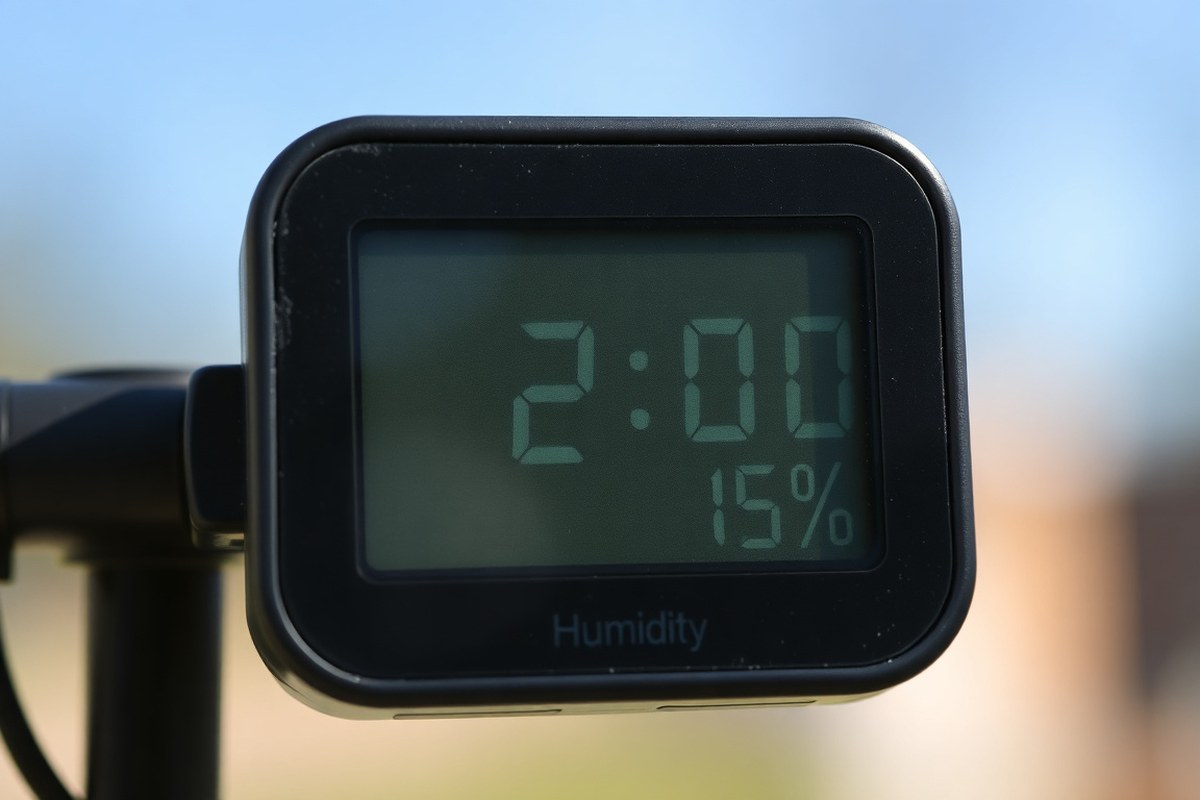
Outdoor relative humidity (RH) shows how full the air is with water vapor. It is expressed as a percentage from 0% to 100%. A 60% RH means the air holds 60% of the water it can.
This depends on the air temperature. The warmer the air, the more moisture it can hold.
The number depends on the air temperature because warmer air can hold more moisture. For example, the temperature is 75°F, and the RH is 60%. This means the air holds 60% of the moisture it allows at 75°F. That matches a dew point near 60°F. The air feels humid but not sticky.
Is 70% humidity high outside? It is on the higher side for outdoor conditions. Ideal outdoor humidity often falls between 30% and 50%.
Above 60%, the air can feel moist or muggy. This happens especially when it is warm.
At 70% humidity, your skin may not dry fast after sweating. Your clothes may feel damp too.
To understand 80% humidity, think of air holding 80% of its moisture. It is close to being fully wet. That level signals quite humid conditions.
On hot, humid days, wear light and breathable clothes. You might want to skip tough outdoor exercise. An 80% RH at 85°F makes the air feel hotter and sticky.
If it’s 75°F with 60% RH, the dew point is about 60°F. This shows the air holds a moderate amount of moisture. The air feels moist but comfortable for most people. When RH climbs to 80% at 75°F, the dew point rises near 70°F. The air will feel much stickier.
Think of relative humidity as a gauge for how full the air is with moisture. It shows how close air is to being fully wet.” When RH hits 100%, the air holds as much water as it can.
Condensation or fog may form because the air can’t hold more moisture. Cold days can have 100% RH too. The air just carries less water overall then.
How Is Outdoor Humidity Measured and Reported?
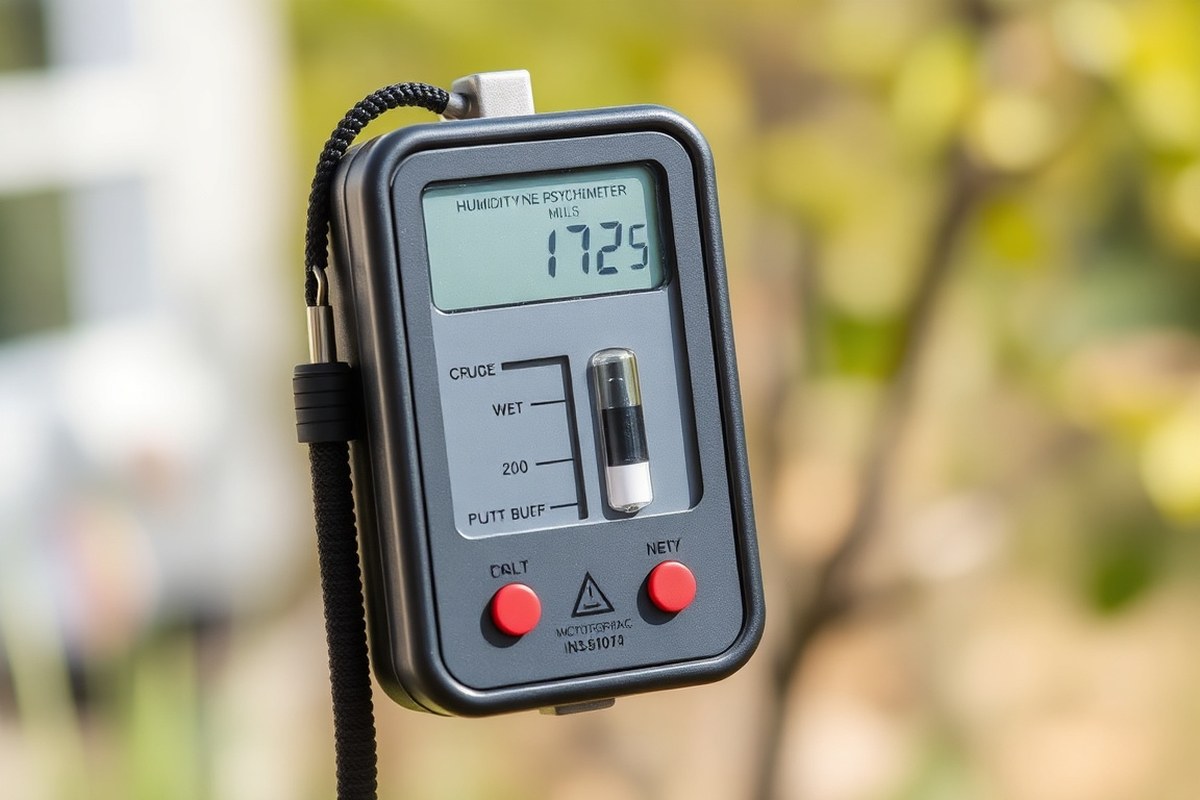
Outdoor humidity is measured using instruments that detect water vapor in the air. Weather stations measure relative humidity. They also report other data.
This includes the dew point too. These readings help show how humid it actually feels outside.
Using a Sling Psychrometer
A sling psychrometer uses two thermometers to find relative humidity. One thermometer is dry, and the other is wrapped in a wet cloth. The difference in their temperatures helps calculate the humidity.
Follow these steps to measure humidity with a sling psychrometer:
- Soak the wet cloth on the thermometer well with water.
- Spin the psychrometer around in the air for about 1 to 2 minutes.
- Note both the dry-bulb and wet-bulb temperatures.
- Use a psychrometric chart or calculator to compare the two readings.
- Find the relative humidity from those tools based on the temperature difference.
Keep the wet cloth moist during measurement for the most accurate reading.
Electronic Hygrometers Outdoors
Electronic hygrometers use sensors to detect water vapor directly in the air. They offer fast, continuous readings without manual work. These instruments often include temperature sensors to report relative humidity and dew point at once.
Many outdoor models cost between $50 to $200, depending on features. Professional-grade units may connect to weather stations for ongoing data collection. Their accuracy can vary; keeping sensors clean matters.
Weather Station Data Sources
Weather stations gather outdoor humidity using instruments like electronic hygrometers and sometimes sling psychrometers. Data is usually collected at ground level and updated hourly. Local stations feed this data to weather services online.
Reports often show relative humidity with the dew point underneath. The dew point tells you the temperature where air becomes saturated with moisture. This measurement helps understand how humid it feels better than relative humidity alone.
Why Temperature and Dew Point Are Key to Outdoor Humidity
Dew point is the temperature when outdoor air reaches 100% humidity. At this point, moisture starts to condense, forming dew, fog, or frost. It shows how much water the air actually holds.
Relative humidity (RH) measures moisture relative to air temperature. Warmer air can hold more water, so RH changes as temperature changes. For example, 50% RH at 90°F means more moisture than 50% RH at 60°F.
The dew point stays constant even if temperature changes. That makes it a more reliable comfort indicator outdoors. When air temperature equals dew point, RH hits 100%, meaning air feels moist but stable.
Outdoor air is 30°F. The dew point is also 30°F. This means RH is 100%. But the air feels dry and crisp, not sticky.
Now picture 80°F air with a 70°F dew point. The RH is lower but feels much muggier and oppressive.
Comfort experts often say dew points below 55°F feel dry and pleasant. Between 55°F and 65°F feels sticky.
At or above 65°F, the air feels heavy and uncomfortable. This range shows why dew point matters more than RH alone for comfort.
Relative humidity peaks at dawn when temperature drops near the dew point. It drops again in mid-afternoon as temperatures rise.
Dew point tells you how dry or muggy the air feels. It shows the actual moisture in the air.
You can use dew point to decide when outdoor air will feel comfortable or stuffy. Say the forecast is 85°F with a dew point of 60°F. That means sticky, muggy air is coming. Dew points near 50°F make hot days feel more comfortable outside.
What Outdoor Humidity Levels Feel Comfortable or Uncomfortable?
Your skin feels sticky or muggy when the dew point climbs above 55°F. According to the National Weather Service, dew points between 55 and 65 become muggy. At 65°F and above, the air feels very humid and uncomfortable outside.
Humidity levels below 30% feel dry but aren’t usually a problem outdoors. Levels between 30% and 50% usually feel comfortable in most weather. Above 60%, the air often feels sticky.
This is true, especially when it’s hot. It can make outdoor activities less fun.
Humidity affects how hot you feel, or the heat index. For example, at 96°F and 65% humidity, it can feel like 121°F. This happens because moist air slows your sweat from evaporating.
So your body can’t cool off well. When you plan outdoor activities, keep humidity below 60% for comfort and safety.
To decide if it’s good outside, check the dew point and temperature together. The dew point under 60°F usually means you’ll feel okay. This holds true even when temps rise.
The dew point is high and the sun is strong. Try to limit outdoor time during peak heat.
Take breaks if you need to. Drink water often and wear lightweight clothes to stay cool.
Humidity between 30 and 50 percent suits most mild days. You can enjoy outdoor tasks without much bother. Most people feel comfortable in this range.
Plan activities like running when humidity and temperature are low. Mornings or evenings are best times for that.
You’ll stay cooler and feel better. You might find late afternoons with high humidity too sticky and tiring.
Remember, humidity isn’t the only factor. Cooler temps with high humidity feel less bad than hot temps. A cool 50°F day with 90% humidity feels less bad.
It’s easier than an 80°F day with 50% humidity. Temperature matters more than humidity at times. Use local weather reports that show heat index or dew point to make better outdoor plans.
How Outdoor Humidity Impacts Health and Safety
High and low outdoor humidity levels each bring health risks and safety concerns. Very humid air can raise heat illness risk.
Dry air can irritate your skin and lungs. Knowing what to watch for helps you stay safe outside.
Health Risks of High Humidity
Humidity above 60% is considered high and makes it harder for your body to cool down. This raises the chance of heat exhaustion or heat stroke, especially when temperatures exceed 85°F. High humidity keeps sweat from evaporating. So you feel hotter and tire faster.
Some people react more strongly to heat and humidity. Older adults and those with heart problems are most affected. They should take extra care in hot, humid weather.
They should avoid outdoor activities during hot, muggy weather. Sticky air can also cause mold growth and musty odors that may worsen allergies or asthma.
Problems Caused by Low Humidity Outdoors
Low outdoor humidity, often below 30%, dries the air and skin quickly. Cold winter air usually holds less moisture, dropping indoor relative humidity to 15-25%. This leads to chapped lips, dry eyes, and scratchy throats.
Dry conditions can also irritate your airways. Your body’s natural defenses weaken in heat and humidity. This can help cold and flu viruses spread faster.
That makes it easier to get sick. Watch for cold, dry wind, especially in winter when viruses spread more.
Preventive Measures in Different Weather
Adjust your outdoor plans based on humidity and temperature levels to reduce health risks.
- In hot, humid weather, stay hydrated and take breaks away from direct sun.
- Wear lightweight, breathable clothing to help sweat evaporate.
- Avoid intense outdoor exercise when heat and humidity are both high.
- In cold, dry weather, use a scarf or mask to protect your nose and mouth.
- Apply moisturizing lotion to skin and use lip balm to prevent dryness.
- Monitor local weather advisories for heat alerts or cold wind chills.
These steps help you handle humidity safely. But watch your body closely for warning signs. Move to a cooler place right away if you feel dizzy.
Feeling weak or very thirsty also means you need to cool down. Don’t wait to get help if symptoms worsen.
70% humidity feels much stickier on a hot day. It feels less sticky on a cool day. Change your activity level to match the humidity and temperature.
How Outdoor Humidity Changes Throughout the Day and Seasons
Outdoor humidity usually peaks just before sunrise. That’s because surfaces cool overnight and air can’t hold much moisture. This triggers dew to form on grass and leaves around daybreak.
Humidity drops through the day as the sun heats the air. Warmer air holds more moisture, so relative humidity numbers fall. By mid-afternoon, humidity often hits its lowest point, making the air feel drier.
The seasons shift humidity patterns too. Summer days usually have higher dew points. They range from 65 to 72°F in humid places like Houston or Tokyo.
This makes the air feel sticky and warm. This creates that sticky, oppressive feeling outdoors when relative humidity hits 70% or more.
Winter humidity behaves differently. Cold air can’t hold much moisture, so even 80% relative humidity can feel dry.
For example, Chicago’s winter dew point hovers near 25°F. So air feels crisp rather than muggy. High relative humidity in winter sometimes means fog or frost.
In dry or desert areas like Phoenix, summer humidity is low. It often stays between 15 and 25%. This dry air can feel very hot.
That makes the heat feel less heavy but can dry out skin and plants. Air conditioning lowers indoor humidity by 5 to 10% each hour.
This helps keep homes cooler in hot months. It makes living spaces more comfortable.
Tracking outdoor humidity with a hygrometer helps you time outdoor activities. Aim for mid-morning or late afternoon when humidity dips. Avoid intense midday humidity spikes, especially if you have respiratory issues.
Remember, humidity affects how you feel besides temperature alone. Hot days with 50% humidity can feel more uncomfortable than cool, damp days at 80%. Knowing your local climate’s typical humidity range helps you plan better for comfort and health.
Common Mistakes When Reading Outdoor Humidity Data
Many people mix up humidity numbers and what they really mean for the weather. Getting this wrong can lead to false predictions about rain or outdoor comfort. To avoid mistakes, know what each humidity term means.
Learn how temperature changes affect those terms. This helps you understand what you actually feel outside.
Misreading RH vs Dew Point
Relative humidity tells how much moisture is in the air now. Dew point shows the temperature when water starts to form. Many confuse these two, but they describe different things.
When RH is high and dew point is low, the air feels nicer. It does not feel sticky or too hot. That’s because dew point affects comfort more.
Keep an eye on both numbers to understand how humid it will really feel. Weather apps may only show RH, which can mislead you about actual moisture in the air.
Confusing High Humidity with Immediate Rain
Many assume 100% relative humidity means rain is about to happen. At 100%, air holds as much moisture as possible, and water starts to condense. Rain needs more than just high RH to happen.
Clouds and wind also must be just right. High humidity alone does not guarantee rain.
High humidity near the ground can cause dew or fog without rain. Use local forecasts for rain chances instead of relying on humidity numbers alone. Checking the dew point and air pressure helps create a fuller picture of rain risk.
Ignoring Temperature in Humidity Interpretation
Temperature greatly impacts how you experience humidity. Warm air holds more moisture. So a 70% RH at 90°F feels much stickier than the same RH at 60°F. Using just relative humidity numbers can mislead you about comfort if you ignore temperature.
Focus on both humidity and temperature to judge outdoor conditions correctly. For example, a 60°F day with 85% RH feels cool. But a 90°F day with 60% RH feels very humid.
Dew point usually shows muggy feelings better than RH. It mixes temperature and moisture into one number. People find it easier to understand comfort this way.
How to Use Outdoor Humidity Information Practically
High outdoor humidity makes exercise harder and less safe. Aim to avoid outdoor exercise when humidity climbs above 70 percent combined with temperatures over 80°F. On these days, your body can struggle to cool down by sweating. Shorten workouts or reschedule for cooler, less humid times like early morning or late evening.
Choosing the right clothes helps your comfort outside. Lightweight, loose-fitting clothes made from moisture-wicking fabrics work best during high humidity.
These fabrics pull sweat away and dry faster. On low humidity days, you can wear heavier gear without feeling sticky or overheated.
Humidity also influences gardening and event plans. Plants suffer if humidity stays very low for days, as soil dries out quickly. If you expect humidity below 30 percent, plan extra watering.
For outdoor events, high humidity often means early morning fog or evening dampness. Use weather apps showing hourly humidity to pick the best timing.
- Check hourly humidity forecasts to time outdoor plans wisely.
- Wear breathable, quick-dry clothing if humidity is above 60%.
- Limit strenuous outdoor workouts above 70% humidity and 80°F heat.
- Water plants more often when humidity stays below 30%.
- Schedule outdoor events during low humidity times to avoid dampness.
- Carry water and take breaks during humid conditions.
- Use shade and light layers when humidity and sun combine.
Stay alert for sudden humidity spikes during exercise, as your body can overheat quickly.
Outside humidity affects how safe and comfortable you feel. Check the numbers early to adjust your day’s plans.
Clothes, activity level, and outdoor tasks all need tweaking based on humidity and temperature. Getting this right keeps you feeling good and safe when enjoying time outdoors.
Step-by-Step Plan to Use Outdoor Humidity Information Daily
Follow these steps to check outdoor humidity and make smart choices about your comfort and safety.
- Before heading outside: Check your local humidity and temperature on a trusted weather app. Humidity above 70% makes the air feel muggy, so plan lighter activities.
- In the morning: Note the dew point along with humidity. A dew point over 65°F means it will feel sticky. Dress in breathable clothes to stay comfortable.
- During the afternoon: Watch for peak humidity and heat. When both rise, limit your outdoor exercise to prevent heat stress. Take breaks often and drink water.
- In the evening: Look for dropping humidity levels. Cooler, drier air usually means easier breathing and better sleep.
- Weekly: Track how humidity changes with the season where you live. Know when to expect high or low humidity to prepare your home’s ventilation and hydration plans.
- Anytime outdoor work or play: Use humidity info to plan rest stops and hydration. Feeling dizzy or sweating heavily means you should find shade and cool down right away.
- After rain: Expect higher humidity. Adjust your outdoor plans knowing it might feel warmer and more uncomfortable than the temperature suggests.
Frequently Asked Questions
Is 72 Humidity Outside High?
A 72% outdoor humidity level is moderately high. It makes the air feel sticky, especially if temperatures are warm. You might want to wear light clothes and stay hydrated during outdoor activities.
Is 80% Humidity Humid?
Yes, 80% humidity is definitely humid. It causes the air to feel heavy and can make sweating less effective.
This can increase discomfort during physical activity. So consider taking breaks in the shade or indoors.
What Is the Normal Outdoor Humidity?
Normal outdoor humidity usually falls between 30% and 50%. This range depends on the temperature.
Warmer air holds more moisture, so typical values shift seasonally. Check local weather for the daily humidity trends.
Is 70% Humidity Very High?
70% humidity is on the high side, especially when combined with warm temperatures. It makes the air feel muggy and can increase heat stress risks. Use this info to plan rest or hydration breaks outdoors.
What’s the Humidity Outside?
The outdoor humidity is the amount of moisture in the air at your location. You can check humidity on weather apps or websites.
These often show relative humidity as a percentage. This number helps you know how dry or damp it feels outside.
Can Humidity Affect Outdoor Exercise Performance?
Yes, high humidity lowers your body’s ability to cool off by sweating. It makes exercise feel harder and increases dehydration risk. Adjust your workout intensity and drink more water when humidity is high.
Key Points to Remember
Outdoor humidity affects how you feel and how safe you are outside. Watch the numbers daily and use them to plan your activities and clothing. Start checking your local humidity now to stay comfortable and healthy.