Will Snow Melt in 40 Degree Weather? What Actually Happens and Why
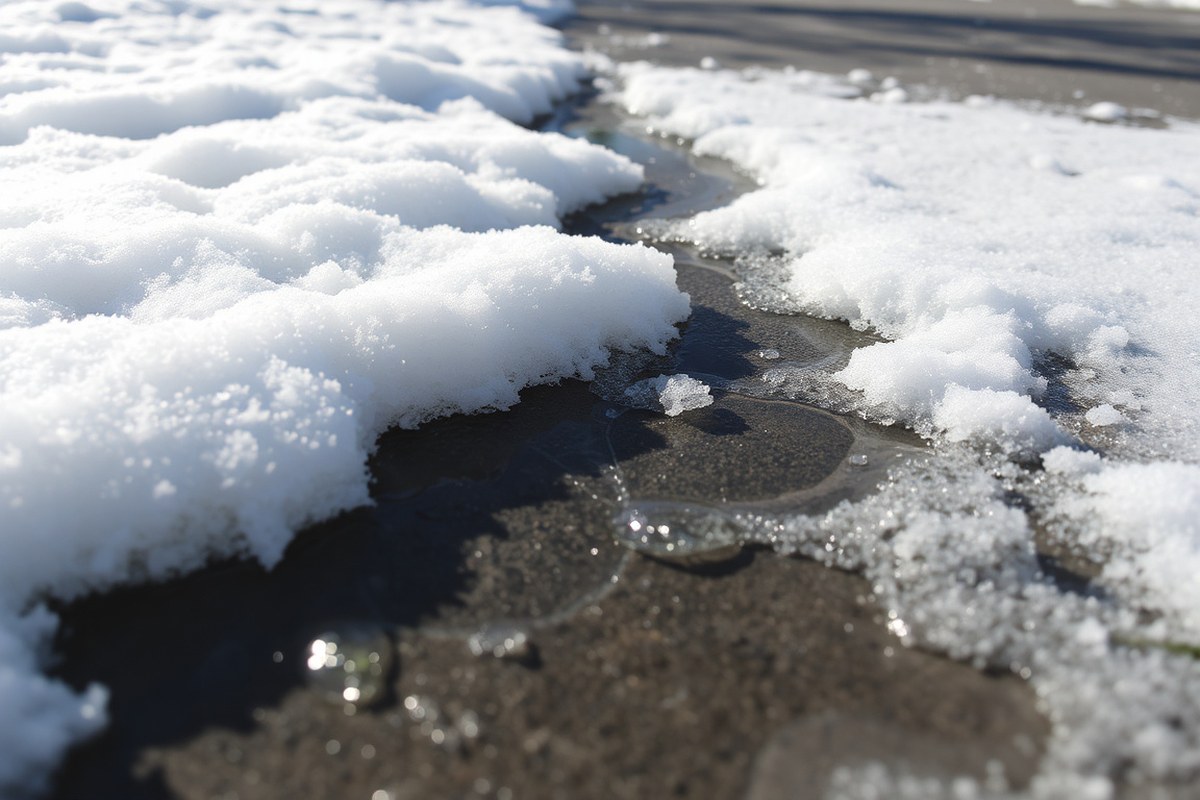
Will snow melt in 40 degree weather? Yes, snow can melt at 40°F. But it depends on more than just the temperature.
Factors like sunlight, wind, and humidity play big roles. While 40°F is above freezing, melting might be slow without these added effects.
Snow melt at 40 degrees tends to take longer than on warmer days. You might see some melting during the day. This happens if the sun shines.
A breeze can also make snow melt a bit. Watching the weather’s full picture helps you know what to expect.
Start by checking if the sun is out or if it’s cloudy. Sunlight warms surfaces and speeds melting, while cloudy skies keep snow solid. Also, windy days can melt snow faster by moving warm air around.
Key Takeaways
- Snow can melt at 40°F but usually slower than at higher temperatures.
- Sunlight boosts snow melt even when air temperature is just 40°F.
- Wind speeds at 40°F help melt snow by moving warm air across surfaces.
- Humidity levels influence melting; dry air slows snow from melting quickly.
- Four inches of snow can take about 24 hours to melt near 40°F.
- Ground temperature colder than 40°F can stop snow from fully melting.
Will Snow Melt at 40 Degrees Fahrenheit?
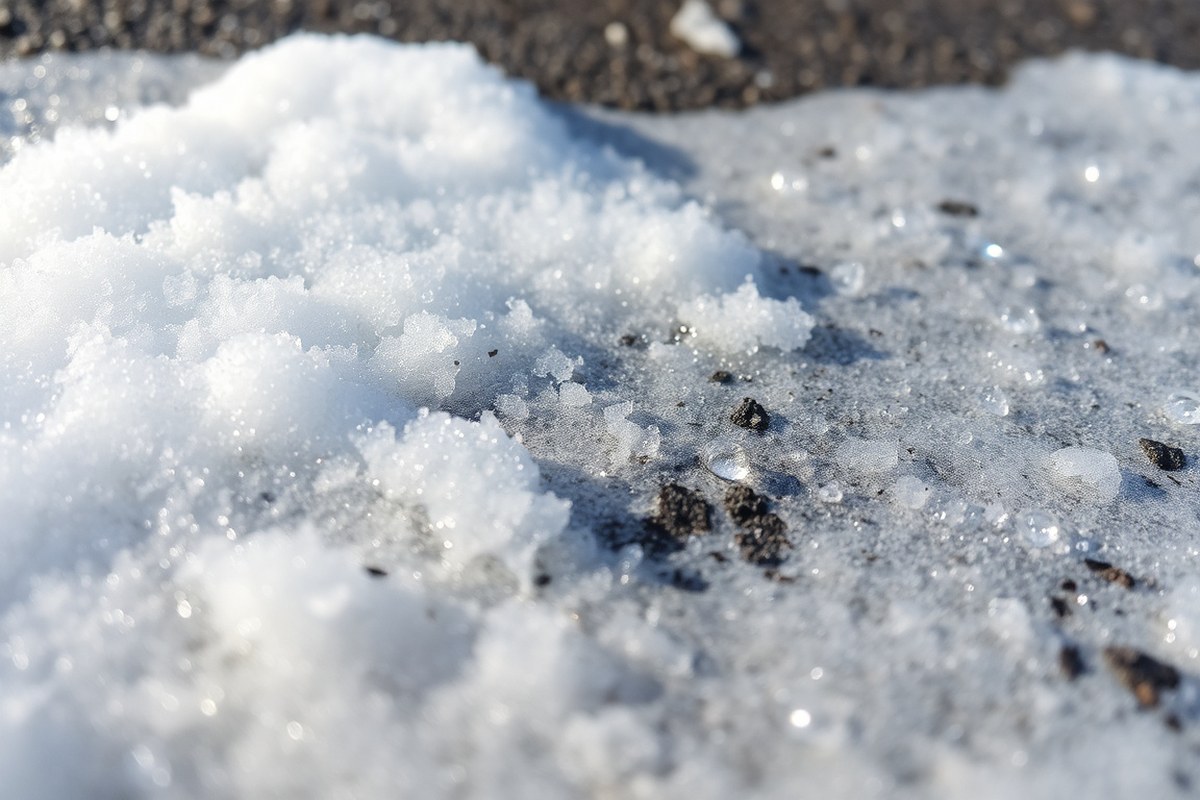
Snow can melt at 40 degrees Fahrenheit, but it does not always happen. Air temperature near the snow is just one part of the story.
Snow melts when its temperature rises above 32 degrees. But factors like sunlight, wind, and humidity also affect how fast this happens.
At 40°F, snow will start melting if the ground or snowpack absorbs enough heat. Sunlight can warm snow above freezing, even when air is cooler. A sunny 40°F day can melt snow faster than a cloudy day.
Both days have the same temperature. Sunlight makes snow melt more quickly. Wind speeds up melting by blowing warm air over the snow.
It also dries out the snow surface. This helps the snow melt faster.
Still, temperature alone does not guarantee snow will melt. Moisture in the air, ground temperature, and shading change the outcome. Snow on shaded or cold ground may linger at 40°F for hours or days.
Low humidity can cause snow to sublimate. Sublimation means snow turns into water vapor without melting.
This happens when air is dry. This slows visible snow melt despite temperatures being above 32 degrees.
Use this rule for 40°F days: Snow melts if the surface warms above 32°F. Sunlight and warm ground can raise surface temperature. That causes the snow to melt. Without enough sun or warm ground, snow tends to stay solid.
Look at ground conditions and wind to predict snow melt better. Air temperature alone isn’t enough. These factors affect how snow melts.
How Long Does Snow Take to Melt at 40°F?
Basic Time Range for Snow to Melt at 40°F
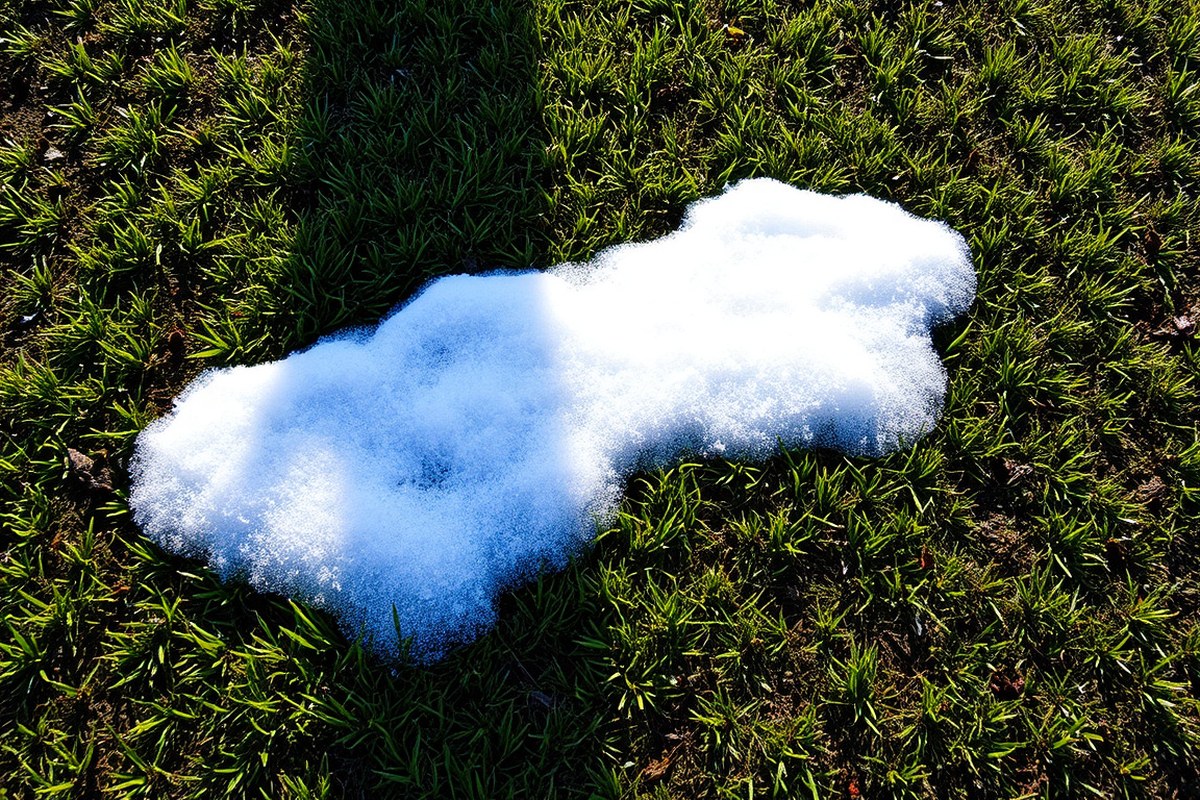
Snow starts melting when the air hits 40°F but it takes time. Thin snow layers can take a few hours, thicker snow might need days.
About 2 to 4 inches of dry snow can melt in one day. This works if the conditions stay steady.
Deeper snow can double or triple that time. A foot of snow might melt in two to five days at 40°F. This takes time without rain or strong sun. The slower pace happens because cold snow under the surface stays frozen longer.
How Snow Depth Affects Melting Duration
Snow depth directly impacts how fast it melts at 40°F. Thin snow melts faster since heat reaches the ground underneath. Thick layers insulate inner snow, slowing melting.
For instance, with just 1-2 inches, sunlight and air temperature fade snow quickly. However, at 12 inches, melting only happens on the surface first. The bottom stays cold and wet until the top fully melts.
Role of Rain and Humidity in Melting Speed
Rain can drastically speed up snow melt at 40°F. A 40-degree rain can double the melting pace of shallow snow. 50-degree rain boosts melting by about 50%. That extra warmth and moisture penetrate snow faster than air alone.
Humidity also matters. Moist air lets snow melt speed up, while dry air slows it down. Dry air makes snow lose moisture slowly by evaporation.
This cools the snow surface. It also slows melting.
Sunlight and Wind Effects on Snow Melt Time
Sunlight plays the largest role in how quickly snow melts on a 40°F day. Even if air temperature stays steady, direct sun heats the snow surface and speeds melting. Cloudy days can double melting time compared to sunny ones.
Wind helps melt snow by breaking up the cold air layer on the surface. It moves warm air right next to the snow, speeding energy exchange. Strong winds can cut melting time by half compared to calm conditions.
How to Estimate Melting Time for Your Snow
Check your snow depth and the day’s weather forecast for temperature, rain, sun, and wind. Expect 3 inches or less to melt fully in one day.
This happens if it’s sunny at 40°F. Six inches of snow can melt in 2 to 3 days. This is true if the sky is partly cloudy and wind is light.
Heavy rain or strong sun can reduce melting time significantly. Keep an eye on humidity too.
Dry low humidity can extend melt periods by slowing the process. Using these factors, you can roughly plan for snow removal or water runoff management.
Watch for rain during snow melt, it can cause flooding due to extra runoff.
Key Factors Influencing Snow Melt at 40°F
Whether snow melts at 40°F depends on more than just air temperature. Humidity, wind, and sunlight also affect how fast snow turns to water. Each factor changes heat flow around snow in different ways.
Humidity and Evaporative Cooling Effects
Humidity controls how much moisture the air holds near the snow surface. High humidity slows down evaporation and keeps snow from drying out too fast. A slightly dry layer near snow helps evaporative cooling, lowering surface temperature and slowing melting.
Evaporation, melting, and sublimation use heat energy from the air. They cool the air and reduce how fast snow melts, even at 40°F. Snow melts quickest when humidity is moderate, not too wet or dry.
- High humidity preserves snowflakes by reducing evaporation.
- Dry air near snow starts evaporative cooling.
- Evaporative cooling lowers surface temperature, slowing melt.
- Moderate humidity gives the fastest snow melt near 40°F.
- Very dry conditions increase sublimation, which uses extra heat.
- Wet air limits evaporative cooling, slowing melt despite warmth.
When managing snow melt, check local humidity. In dry places, expect slower melt on partly sunny days.
Wind Speed’s Role in Heat Transfer
Wind moves warmer air across the snow surface. This speeds heat transfer and can speed up snow melting. Still air traps cold pockets, slowing melt at 40°F even when it’s above freezing.
Wind also removes moisture from the snow surface. That drying helps evaporative cooling, which can either slow or speed melt. Strong winds often melt snow faster during the day but can freeze the meltwater at night.
- Light wind traps cold air near snow, slowing melt.
- Moderate wind speeds increase heat transfer to snow.
- Strong winds improve evaporation, affecting melt rate variably.
- Wind can remove insulating snow layers, exposing ground.
- Nighttime winds may refreeze meltwater, creating ice layers.
- Wind-blown snow can compact, making it slower to melt.
Pay attention to wind speeds around your home. Use windbreaks if fast melting and refreeze cycles cause messy ice.
Solar Radiation and Ground Heating
Sunlight carries energy that melts snow directly. At 40°F, a sunny day can warm snow much faster than shade. Solar radiation heats the ground, which then warms snow from below.
The intensity of the sun changes with cloud cover, time of day, and season. Long sunny afternoons create deep melting, especially on south-facing surfaces or dark ground. Shade or cloudy skies reduce energy and slow melt even at this temperature.
- Direct sunlight increases snow melt by adding radiant heat.
- Ground absorbs sunlight and warms snow from beneath.
- Cloud cover reduces sunlight and slows melting rates.
- Snow on dark surfaces melts faster due to heat absorption.
- Snow in shade or north-facing areas melts slower at 40°F.
- Solar heating peaks in mid-afternoon, speeding melt then.
Maximize snow melt by exposing snow to sun and dark surfaces. On cloudy days, expect slow melt despite air temperatures near 40°F.
Why Can Snow Fall or Persist When It’s 40°F?
Snow can still fall or stick around even when the air temperature is 40°F. Snow first forms high in clouds where temperatures drop below 32°F. Then, it falls through layers of warmer air before reaching the ground.
The key to understanding this is the wet-bulb temperature. It shows how much cooling occurs when water evaporates into the air. That cooling can keep snow from melting even if the regular air temperature is above freezing.
Think of the air as layers. The top layer in the clouds might be 28°F where snow forms.
Then the air warms to 40°F closer to the ground. When the wet-bulb temperature near the surface stays below 32°F, snow can survive the fall and reach you.
To know if snow will melt on the way down, check the wet-bulb temperature. Air temperature alone isn’t enough. Wet-bulb temperature tells you how much cooling happens during falling.
When it’s under 32°F, snow can reach the ground without melting. Above 32°F, snow tends to melt before hitting the surface.
Dry air also helps snow last. Dry air cools faster with height. So the temperature near snowflakes stays below freezing longer.
Snow is more likely to reach the ground on a dry 40°F day. Humidity makes a big difference. Wet air can melt snow faster.
For example, a dry day at 40°F might let an inch of snow accumulate. But with high humidity, that same snow would melt quickly. Rainfall adds heat energy that also speeds melting, even if the air is just above freezing.
Snow can fall or pile up at 40°F if the wet-bulb temperature is low. Dry air helps too. Together, they keep snow from melting quickly.
You’ll see ski slopes or mountain areas get snow this way. Temperature and moisture layers in the air matter most for snow.
The thermometer at your house shows only one part. Snowfall depends on the whole air column.
Snow Melt Differences: Dry Snow, Wet Snow, and Rain at 40°F
Snow melts faster when rain falls at around 40°F because rain adds liquid water. Rainwater carries heat and helps break down the snowpack more quickly. Dry snow melts slower since it lacks extra moisture to speed the process.
Snow that is wet has more water and melts quicker near 40°F. It usually takes 8 inches of this snow to equal 1 inch of rain. This type of snow is thick and heavy. So it absorbs heat faster and turns to water easier.
| Precipitation Type | Temperature Profile | Form at Ground | Effect on Snow Melt |
|---|---|---|---|
| Snow | Mostly Below Freezing | Ice Crystals | Slow Melting |
| Sleet | Above then Below Freezing | Ice Pellets | Moderate Melting |
| Freezing Rain | Above Freezing with Cold Ground | Supercooled Droplets Freeze on Contact | Slow Surface Melting |
| Rain | Above Freezing | Liquid Drops | Speeds Snow Melt |
The combination of rain and snow melting increases runoff and lowers snowpack faster. Rain near 40°F means liquid water hits the snow, which breaks it down more effectively. Dry snow can stay longer.
It needs more heat to melt because of ice crystals. That slows down melting.
Wet snow doesn’t form easily on places warmer than 35°F. It sticks better to grass and things raised off the ground. At 40°F, this snow still starts melting, especially if combined with rain. Warmer air around 45-50°F speeds melting even more compared to 40°F alone.
Watch for refreezing in shaded areas after rain and melting. It can form slippery ice patches.
Rainwater changes how snow melts, making wet snow disappear faster at 40°F. Dry snow without rain tends to linger due to lower heat absorption. This difference can shape how soon icy or snowy conditions clear after a thaw starts.
How Ground Temperature and Local Conditions Affect Snow Melt
Ground temperature often differs from air temperature near snow. Soil or pavement can stay warmer or colder than the air. This difference changes how fast snow melts when the air is around 40°F.
Pavement absorbs heat from the sun during the day and radiates it back at night. This keeps the ground warmer under snow, speeding up melting.
Soil usually holds heat longer than snow. But cold soil can slow melting even if the air is warm.
Microclimates around your property also affect snow melt. For example, south-facing slopes get more sun and melt snow faster. Trees can block sunlight and wind, keeping snow longer in shaded areas.
To help snow melt faster, clear snow off driveways or walkways early in the day. Dark materials like asphalt absorb heat and can warm your driveway.
So removing snow lets the base heat transfer directly. Avoid piling snow back onto heated spots, or it will refreeze.
In shady spots or on grass, snow tends to last longer at 40°F. You might notice snow sticks around under evergreens or near a north-facing wall. These areas get less sun and hold colder air, slowing the melting process.
Living where microclimates exist means watching for places that stay cold. Applying ice melt products there helps prevent ice buildup as snow slowly melts. Always follow label instructions and local laws when using these products.
Understanding ground temperature and local conditions helps you manage snow better. Sun-exposed paved areas melt snow quicker than cold shaded soil.
Snow melts fast on warm pavement. It can stay longer on shaded lawns.
Common Misconceptions About Snow and 40°F Temperatures
Many people think snow melts only when the air temperature hits 32°F. This idea comes from the freezing point of water. But snow can start melting even when it feels colder than that.
Snow doesn’t just respond to air temperature. Sunlight, wind, and ground temperature play big roles.
Snow can stay even at 40°F. Sunlight and other factors affect melting. Sometimes snow melts fast below 32°F on sunny days.
- Snow melts only at 32°F or higher (false)
- Air temperature alone controls melting (false)
- Snow quickly disappears once temperatures rise above freezing (false)
- Shaded snow doesn’t melt at 40°F (sometimes true, but depends on ground heat)
- Snow melts evenly no matter conditions (false, varies by snow type and location)
Snow melting depends on energy from many sources. Sunlight can heat snow directly, letting it melt even if the air is just below 32°F. Dark surfaces underneath snow absorb heat and can speed melting too. Cloudy days mean less sunlight for snow.
Snow can last longer at 40°F then. The sun’s heat affects how fast snow melts.
These points matter if you’re planning snow removal. You can’t rely only on the thermometer. Look at how sunny it is and check surfaces that hold heat, like asphalt.
Snow might soften and get slippery without melting fully. That can be risky to walk on.
Practical Tips to Manage Snow Melt Around Your Home at 40 Degrees
Managing snow melting at 40 degrees means clearing paths carefully. Control ice buildup and use safe products gently around your home. You want to stop slips and keep surfaces safe.
Help snow melt slowly to avoid damage. Practical steps reduce hazards and keep your property safe as temperatures hover near freezing.
Choosing and Using Ice Melt Products Safely
Ice melt products work best when temperatures stay near or above freezing. Salt-based melts start working right around 32°F but slow down as it gets colder.
At 40 degrees, many ice melts perform well. But you should use just enough to break up ice without overapplying.
Look for pet-safe ice melts like Safe Paw, which won’t harm animals or concrete. Spread a thin layer evenly on icy patches before walking or driving on them. Avoid piling on large amounts since this can damage surfaces and plants.
- Choose ice melts effective above 32°F, like calcium chloride or magnesium chloride
- Apply sparingly to avoid surface damage or runoff problems
- Use pet-safe products if you have dogs or cats walking outside
- Spread product before ice forms, or soon after, for better results
- Store ice melts in a dry place to keep them effective
- Wear gloves when handling ice melt to protect your skin
Proper use helps these products speed melting without causing extra mess or harm.
Protecting Walkways and Pets During Melt
Melting snow creates slick, wet surfaces that require attention. Clear meltwater regularly to prevent refreezing into thin ice overnight. Sweep or shovel loose snow early in the day so it melts faster and drains safely.
Protect pets by rinsing their paws after walks where ice melts are used. Even pet-safe products can irritate skin or stomachs if licked off.
Keep pets away from big salt piles or melting chemicals. Wipe their pads to prevent dryness or burning.
Always check for refrozen patches in the morning. Thin ice can catch you by surprise.
Keep dry mats by doorways for safe entry and reduce tracking meltwater inside your home.
When to Seek Professional Help
Large snowdrifts or ice buildup may require professional snow removal or ice control. Call for help if melting snow causes flooding near your foundation or clogs drains. Seasonal melt accumulation can lead to water damage if ignored.
Professional services use equipment and safe products designed for heavy melt. They can also assess slip hazards on complex walkways or driveways.
Persistent slippery spots call for a professional’s help. They know how to fix stubborn ice safely.
Step-by-Step Action Plan to Manage Snow Melt at 40°F
Follow these steps to track snow melting safely at 40°F. Handle snow carefully near your home during this temperature. These tips will help protect your property and yard.
- Before Warm Days: Check local weather forecasts for sustained 40°F temperatures. Prepare tools like shovels or salt to use during melt periods.
- Day 1 of 40°F: Clear any compacted snow or ice to help sunlight reach the ground. You’ll see less snow buildup the next day if this works.
- After 2 Days: Monitor ground and pavement temperatures. Use a thermometer if possible; warm surfaces speed melting significantly.
- During Sunny Hours: Open curtains and trim nearby tree branches. More sunlight hitting snow speeds melt and prevents refreeze.
- After 3 to 5 Days: Apply ice melt or sand on slippery spots. Test carefully to see if walking becomes safer and less slippery.
- Whenever Rain Falls: Watch for rapid snow collapse, especially if rain is warm. Move items away from melt runoff to avoid water damage.
- After Extended Melting: Inspect drainage areas to prevent pooling water. Clear blocked drains if water stays longer than one day.
- Weekly Review: Adjust your approach based on temperature swings or persistent snow patches. You want quicker melt without creating icy hazards.
Frequently Asked Questions
Can Snow Refreeze After Melting at 40 Degrees?
Yes, melted snow can refreeze if temperatures drop below 32°F again. This creates icy patches that are harder to remove than fresh snow.
Does Sunrise Speed Up Snow Melt at 40°F?
Yes, direct sunlight helps snow melt faster at 40 degrees. Even mild warmth from the sun can boost melting despite air temperature.
How Does Wind Affect Snow Melt Near 40°F?
Wind speeds up snow melt around 40°F by moving warm air onto the snow’s surface. This can double the melt rate compared to calm days.
Can Snow Melt Faster Overnight at 40°F?
Snow melts slower overnight at 40°F because solar radiation is absent. Melting mainly depends on air and ground temperatures then.
Is 40°F Warm Enough to Melt Snow on Roads Quickly?
It can melt snow on roads slowly if the surface absorbs heat. Salt or chemicals usually help speed up road clearing at this temperature.
Does Humidity Change How Quickly Snow Melts at 40°F?
Higher humidity slows melting at 40°F by reducing evaporation. Dry air speeds melting by drawing moisture from the snow surface.
Wrapping Up
Snow does melt at 40 degrees, but how fast depends on many things. Start by checking your local ground temperature and sunlight. This simple step gives you the best clue about what to expect next.