
How Long Do Earthworms Live: A Complete Guide to Lifespan and Care
Wondering how long do earthworms live? Most earthworms live between one and six years. But it depends on the species and environment.
Garden worms usually last around one to three years because of soil quality and climate stresses. In natural, less disturbed soils, they can live up to seven years.
Earthworms grow fast and can reproduce within their first year. Their short life in gardens is often due to pesticides, drought, and soil issues. Some species like nightcrawlers tend to live longer, sometimes up to six years in good conditions.
To help earthworms live longer, keep soil moist and avoid harmful chemicals. Regularly adding organic matter, like compost, feeds worms and promotes a better environment. Healthy, well-fed worms in good soil last longer and improve your garden’s health.
Key Takeaways
- Earthworms typically live 1, 6 years depending on species and environment.
- Garden worms often live just 1, 3 years due to soil and climate stress.
- Natural, undisturbed soils allow earthworms to live 4, 7 years or more.
- Worms reproduce quickly, usually ready by 12 months old.
- Keep soil moist and avoid pesticides to extend earthworm lifespan.
- Healthy earthworms help improve your garden’s soil and plants.
How Long Do Earthworms Typically Live?

Earthworms usually live 1 to 6 years depending on their type and place. Lumbricus terrestris, a common earthworm, can survive up to six years in quiet soil.
Red wigglers often live 2 to 5 years. European nightcrawlers may live 5 years or longer.
Wild earthworms rarely reach their maximum lifespan because of predators and changes in soil quality. In gardens or urban areas, their lifespan usually falls between 1 and 3 years. Harsh weather, soil disturbances, and pesticides often cut their life short.
Earthworms in natural settings with stable conditions live longer, often 4 to 7 years. Some earthworms can live up to 8 years if the temperature stays right. The best range is between 59°F and 77°F (15°C to 25°C).
This keeps them healthy and active for longer. Worms in worm bins live about 1 to 3 years on average.
Their space and resources are limited but their environment is managed. This controlled setup changes their lifespan compared to wild worms.
What Are the Life Stages of an Earthworm?

Earthworms begin life in cocoons. They hatch as tiny worms. Then they grow through a juvenile phase before becoming adults.
Each stage has its own time frame and features. They reach reproductive maturity after several months, then can produce cocoons regularly for years.
Cocoon Phase Duration and Conditions
Earthworm cocoons hatch in about 3 to 4 months at 15 to 20 °C soil. Cooler soil slows hatching. Some species stop developing if drought or bad conditions happen.
This phase is delicate because the cocoon protects the worm. It needs the right moisture and temperature to develop properly. Without them, development can fail.
Warmer, moist soil speeds up hatching, making spring and fall ideal for egg survival. A single cocoon contains one to several embryos depending on the species.
Hatchling Growth and Survival Challenges
Once hatched, baby worms are about one-third the size of adults and pale in color. They feed on soil microbes and organic matter to grow and gain adult coloration. This stage lasts weeks but hatchlings face risks from dryness and predators.
Feeding steadily helps hatchlings develop quickly. But poor soil or dryness can slow or stop growth. Hatchlings survive best in moist soil.
The soil must have 50 to 90 percent humidity. This helps prevent them from drying out. Proper compost or organic-rich soil supports their early growth.
Juvenile Development into Adult Worms
The juvenile phase typically lasts 6 to 9 months after hatching. During this time, worms grow larger and develop their sexual organs fully. They are not yet able to reproduce but look similar to mature worms.
Growth depends on soil quality and moisture. Favorable conditions lead to faster maturity. Juvenile worms become adults when they are sexually mature.
Adults can make cocoons by mating. Some species reproduce without mating through parthenogenesis.
Adult Reproductive Behavior and Lifespan
Adult earthworms usually start breeding after their juvenile phase, about 6 to 9 months old. Red wigglers can make up to one cocoon per week. This happens in good conditions, mostly during spring and fall.
Cocoon production slows in harsh weather. This rapid cocoon production can double populations in just a few months.
Adults spend most of their lives reproducing and burrowing. Worm lifespans vary by species. Compost worms live 1 to 3 years.
Some types can live 5 years or longer. Adult worms mate by exchanging sperm since they’re hermaphrodites, ensuring genetic diversity in cocoon batches.
Keep soil moist and rich in organic matter to help juveniles reach adulthood healthily.
How Do Environmental Conditions Affect Earthworm Lifespan?
Earthworm lifespan depends a lot on environmental conditions like temperature, moisture, soil quality, and pH levels. Keeping these factors in the right range helps worms live longer and stay active. Knowing exactly what worms need allows you to create a healthy soil or compost space.
Optimal Temperature and Humidity Ranges
Earthworms do best in temperatures between 55°F and 77°F. Below 40°F, they slow down and may stop feeding. Temperatures above 86°F can cause death from overheating.
Humidity should stay around 65% to 75%. Too much moisture can drown worms, while too little dries them out. Good moisture levels keep their skin moist for breathing and moving easily.
Soil pH and Nutrient Preferences
Most earthworms prefer soil pH between 6.0 and 7.0, which is slightly acidic to neutral. Soil that’s too acidic below 5.0 or too alkaline above 8.0 harms worm survival. Balanced pH keeps their gut bacteria healthy.
Worms need nutrients from organic matter in the soil. Rotting leaves, compost, and plant roots are good food sources. Soils rich in organic material promote longer lifespan by providing steady nutrition.
Effects of Soil Composition and Organic Matter
Loamy soil containing sand, silt, and clay supports earthworm health best. It allows air and water to flow, preventing soggy or compacted conditions. Compact or sandy soils reduce worm movement and feeding.
Adding organic matter like leaf litter or compost improves humus content. This feeds earthworms and makes soil softer. Rich organic soils encourage burrowing, which helps worms avoid predators and harsh weather.
Dangers of Extreme Conditions
Very dry soil dehydrates worms, forcing them to burrow deeper or die. Heavy rain or flooding can drown them if water stays long. Both extremes shorten their lifespan.
Soil with very high salt or chemical contamination hurts worm health and sets limits on survival. Overheating or freezing temperatures also cause stress and death quickly. Avoid putting worms in sudden unstable environments.
How Long Do Earthworms Live in Containers and Worm Bins?
Earthworms usually live 2 to 5 years in worm bins. They need good care to reach that age.
This lifespan is shorter than some wild species but matches their average in compost setups. Good conditions help them stay active and reproduce rather than going dormant.
Keeping worms in captivity changes their lifespan because their environment is limited. They don’t have the wide range of soil or natural food sources they would outdoors. That’s why moisture, temperature, and food quality in your bin make a big difference.
Earthworms can survive in cool storage or fridges, but only for a while. Near 40°F (4°C), earthworms slow down a lot. They might live for weeks or months cold.
Cold can help if you need a short break. But worms don’t eat or reproduce then, so no long storage.
- Keep bedding moist but not soggy, like damp soil or shredded paper.
- Maintain temperatures between 55°F and 77°F (13, 25°C) for best activity.
- Provide a balanced diet of fruit, vegetable scraps, and occasional crushed eggshells.
- Avoid adding meat, dairy, or oily foods that cause odors or pests.
- Turn or gently mix the bedding every few months to prevent compaction.
- Remove dead worms and large castings to keep the bin healthy.
- Use shallow containers with air holes to keep oxygen flowing.
Follow these tips to keep worms comfy and working. This helps them live closer to 5 years.
Poor care often leads to worm deaths within months, due to heat, dryness, or poor food. A well-managed bin also produces rich worm castings and supports breeding.
What Causes Earthworms to Die Early?
Earthworms mostly die from predators, soil changes, or human actions, not just old age. Birds, snakes, and large insects often prey on them.
Soil drying or flooding also kills many. Humans impact their lives when they till soil or use pesticides.
Soil disturbance is a major culprit, especially conventional plowing. Plowing breaks worm tunnels and exposes them to predators and harsh conditions. No-till farming, which avoids turning soil, can double earthworm numbers compared to plowing.
Pesticides and chemicals in soil cause direct harm too. Earthworms ingest soil, accumulating toxins like heavy metals, which shorten their lifespan. Even subtle chemical exposure stresses worms, making them weaker and less able to escape predators.
- Predators: birds, snakes, small mammals, large insects
- Soil disturbance: frequent plowing or digging
- Soil moisture extremes: drying out or flooding
- Exposure to pesticides and heavy metals
- Diseases and parasites from the soil environment
Avoid pesticides and heavy soil disturbance to protect earthworm populations in your garden.
Earthworms eventually die of old age, but it usually happens under ideal conditions. Most wild worms don’t live long because threats pile up over time. Keeping soil healthy helps worms live longer.
Avoid disturbing soil too much. This protects worms from early death.
How Do Earthworms Reproduce and What Is Their Fertility Rate?
Earthworms don’t have separate sexes. Each one has both male and female parts. They mate by exchanging sperm, then make cocoons that hold their babies.
Simultaneous Hermaphroditism Explained
Earthworms have male and female organs at the same time. This means each worm can father and mother offspring during mating. However, most earthworms cannot reproduce without a partner.
They swap sperm with each other during the mating process. This lets both worms use what they got to fertilize their eggs later. This dual role helps spread their genes efficiently.
Mating Process and Cocoon Formation
Mating usually happens near the soil surface at night. The worms align head to tail and cling tightly for several hours. This allows them to exchange sperm safely.
After mating, the clitellum, a thick band on the worm, produces a small cocoon. This lemon-shaped cocoon is about 5 to 6 millimeters long and slides off the worm’s head. It seals the fertilized eggs inside.
Offspring Production and Hatching Rates
Each cocoon holds between 1 and 20 baby worms. Most earthworms can produce many cocoons over several months. Production can vary depending on species and environment.
These cocoons take a few weeks to hatch, about 3 to 4 weeks to become juveniles. Once hatched, worms grow quickly if conditions are good. A single worm can produce dozens of offspring yearly under right conditions.
How to Tell If Earthworms Are Healthy and Thriving?
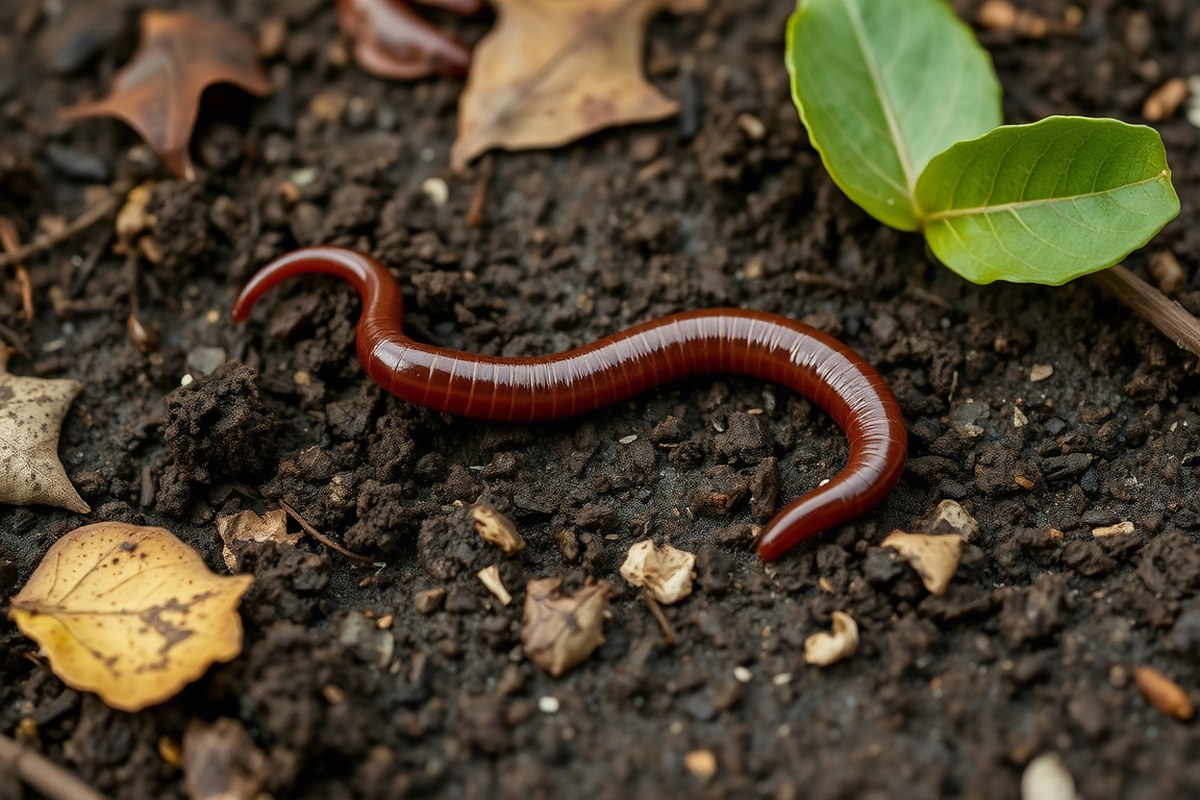
You can tell if earthworms are healthy by checking their color and movement. Healthy worms have a moist, smooth, reddish-brown body with tiny rings. They wiggle actively when touched and pull away quickly from light.
To keep your worms thriving, monitor the bin moisture and temperature regularly. Worms need a damp environment but not soggy. Soil should feel like a wrung-out sponge.
Temperature between 55°F and 80°F suits most worms well. Avoid temps above 86°F because they stress the worms and slow them down.
Watch for signs of stress like sluggish movement or pale color. Look for worms lying on top of their bedding too. These signs mean the worms might not be healthy.
These signs show the environment might be too dry, too hot, or contaminated. Check the worm bin every day to catch problems early.
Fix any issues fast to keep worms from getting sick. Regular checks help worms stay healthy and active.
- Check worm color: moist and reddish-brown, not pale or dry.
- Feel soil moisture: should be damp but not dripping water.
- Keep temperature between 55°F and 80°F for active worms.
- Look for active wiggle and quick retreat from light.
- Avoid strong smells or mold, which stress worms.
- Note if worms cluster on surface; could mean heat or dry stress.
Each time you inspect, adjust moisture by adding water or dry bedding. Use a thermometer to check temperatures, especially in summer.
You can place the bin in a shaded area to keep it cooler. Healthy worms keep the bin smelling earthy, never rotten or sour.
In a good setup, you’ll see your worms burrowing through bedding and eating scraps. Their smooth, moist skin is a clear sign they’re getting enough water. Keeping conditions right means your worm colony stays strong and lively for years.
Practical Tips to Help Earthworms Live Longer in Your Garden
Your earthworms need soil that stays moist but not soggy. Aim for about 50% to 60% moisture in the soil.
It should feel like a wrung-out sponge. Keep soil temperatures between 55°F and 77°F for the best worm activity and health.
Earthworms feed best on green plant waste and decomposed matter. Avoid giving them meat, dairy, and oily foods, which attract pests and harm their environment. Adding shredded leaves, vegetable scraps, and coffee grounds provides a balanced diet.
Protecting worms from predators and harmful chemicals helps them live longer. Keep pets away from worm beds and avoid using pesticides or chemical fertilizers on worm habitats. These substances can poison earthworms or disrupt the microorganisms they rely on.
- Change bedding every few weeks to prevent decay and bad smells
- Remove uneaten food within 24 hours to stop mold and pests
- Keep worm habitats shaded to avoid overheating
- Check soil moisture weekly and water gently if too dry
- Add crushed eggshells or garden lime to balance pH when needed
Worms curl into balls and go dormant if the soil is too dry or too cold. That helps them survive but slows their growth and breeding.
You may see cocoons hatch after 2 to 4 weeks if conditions improve. So keep the soil steady and healthy.
Use natural materials only around worms: no chemicals or treated wood in bedding.
Worm beds need regular care but cost little to maintain. You can use yard waste and kitchen scraps for free food. A simple spray bottle works well for watering without flooding the soil.
Step-by-Step Action Plan to Extend Earthworm Lifespan
Follow these steps to create a healthy home for your earthworms. Watch for signs they are active and reproducing.
- Before you start: Choose a good worm bin with proper drainage. Make sure it holds moisture but drains excess water well.
- Day 1: Add bedding like shredded newspaper or leaves. It should stay damp but not soggy. Worms need moisture to breathe.
- Week 1: Add small amounts of food scraps from fruits or vegetables. Avoid citrus or oily foods. Look for worms moving toward the food.
- Week 2: Check moisture levels by squeezing the bedding. It should feel like a wrung-out sponge. Adjust water if needed.
- Week 3: Spot new worm cocoons or baby worms in the bin. This means your worms are healthy and reproducing.
- After 1 month: Harvest some worm castings to prevent overcrowding. Replace with fresh bedding to keep the environment fresh.
- Every month: Remove any leftover food that begins to smell to avoid pests and diseases. Keep the bin in a cool, shady spot.
- Ongoing: Avoid chemicals and harsh cleaners near the bin. Keep pH near neutral by adding crushed eggshells if needed.
Frequently Asked Questions
How Long Do Earthworms Live?
Earthworms usually live between 1 and 7 years depending on their environment. Garden worms live 1 to 3 years.
Worms in undisturbed soil may live up to 7 years. These longer lives happen when conditions stay natural.
How to Tell If Worms Are Happy?
Happy worms are active, moist, and evenly spread in their soil or bin. When worms avoid light and crawl in bedding, they feel comfortable. This shows they are healthy and thriving.
What Eats 14 Feet of Earthworms Every Day?
Some birds, like robins, can eat large amounts of earthworms daily to fuel their energy. Ground-feeding animals such as moles and some fish also consume many worms regularly.
Do Earthworms Regrow If Cut?
Earthworms cannot regrow if cut; losing their head usually means death. Some small tail pieces might survive briefly, but full regeneration does not happen.
What Do Worms Hate the Most?
Worms dislike dryness, strong sunlight, and chemicals like pesticides. These factors stress or kill them. So keeping soil moist and chemical-free helps them stay healthy.
How Often Should You Feed Worms in a Worm Bin?
Feed worms every 1 to 2 weeks with small amounts of organic waste. Overfeeding can cause bad smells and harm your worm colony.
The Bottom Line
Earthworms can live several years with the right care and environment. You can help them thrive by keeping their home moist and clean. Start today by checking your worm bin’s moisture level and adding fresh food.


