What Does Perennial Plant Mean a Complete Guide with Care and Types
What does perennial plant mean? It means a plant that lives for three years or more.
Perennials grow back each year without needing replanting. Annuals finish their life cycle in just one season.
Perennial plants often bloom for a few weeks each year. Some can live between 3 and 10 years.
Others, like yew trees, can last centuries. These plants survive winter and harsh weather by going dormant and regrowing when conditions improve.
Identifying perennials in a garden or store is easy once you know what to look for. Look for plants labelled as “perennial” or those with woody or herbaceous stems that return annually. Starting with hardiness zones helps pick perennials suited for your climate and long-term growth.
Key Takeaways
- A perennial plant lives three years or more and regrows yearly.
- Most perennials bloom for two to six weeks each season.
- Perennials don’t need replanting every year but may need dividing.
- Perennials can be woody, like fruit trees, or herbaceous, like daylilies.
- Check plant labels or ask to confirm if a plant is perennial.
- Use USDA Hardiness Zones to pick perennials suitable for your region.
What Does Perennial Plant Mean? Definition and Basics
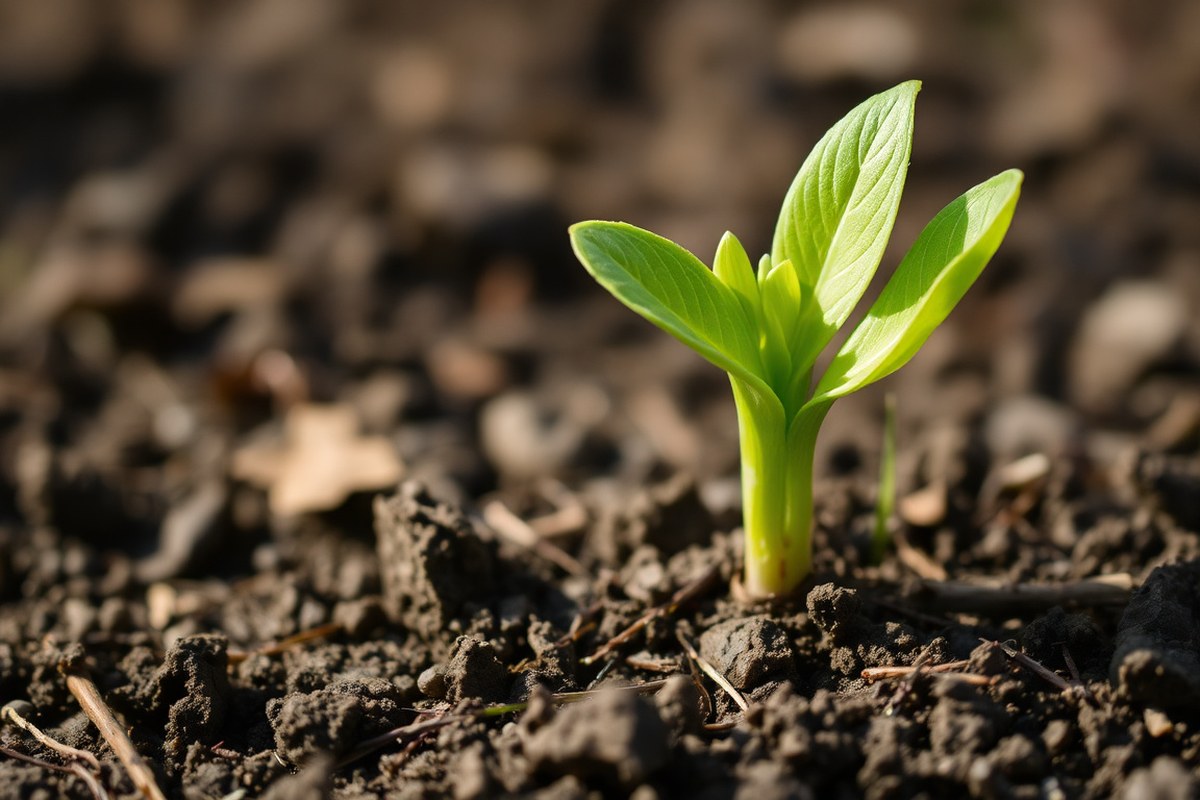
Perennial plants live for more than two years. They grow and bloom each season without needing to be replanted. This sets them apart from annuals and biennials, which live shorter lives.
Annuals complete their life cycle in just one growing season. You plant them in spring, enjoy flowers all summer, and then they die after frost.
Biennials take two years to finish their cycle. They grow leaves the first year, then flower and die the second year.
Perennials, however, keep coming back. They survive winter by using stored energy in roots or woody stems.
This lets them bloom repeatedly over several years, sometimes even decades. Peonies, hostas, and lavender are good examples you can find in home gardens.
Here is a quick comparison to help you tell these plant types apart:
| Type | Life Span | Bloom Time | Replanting Needed | Examples |
|---|---|---|---|---|
| Annual | One season | Long, late spring to frost | Every year | Zinnia, marigold, petunia |
| Biennial | Two years | Second year only | Every two years | Foxglove, hollyhock, parsley |
| Perennial | Three years or more | Usually 2 to 6 weeks per year | None, except dividing | Peony, hosta, daylily, lavender |
The main trait that defines a perennial is how long it lives. It must last at least three years to be a true perennial. Some survive warmer winters well, others may die back to the ground but regrow from roots.
This ability makes perennials a smart choice for gardeners who want plants to return without replanting. However, they don’t flower all season long like annuals. Instead, they bloom for a few weeks each year during their peak season.
Types of Perennial Plants and How They Differ
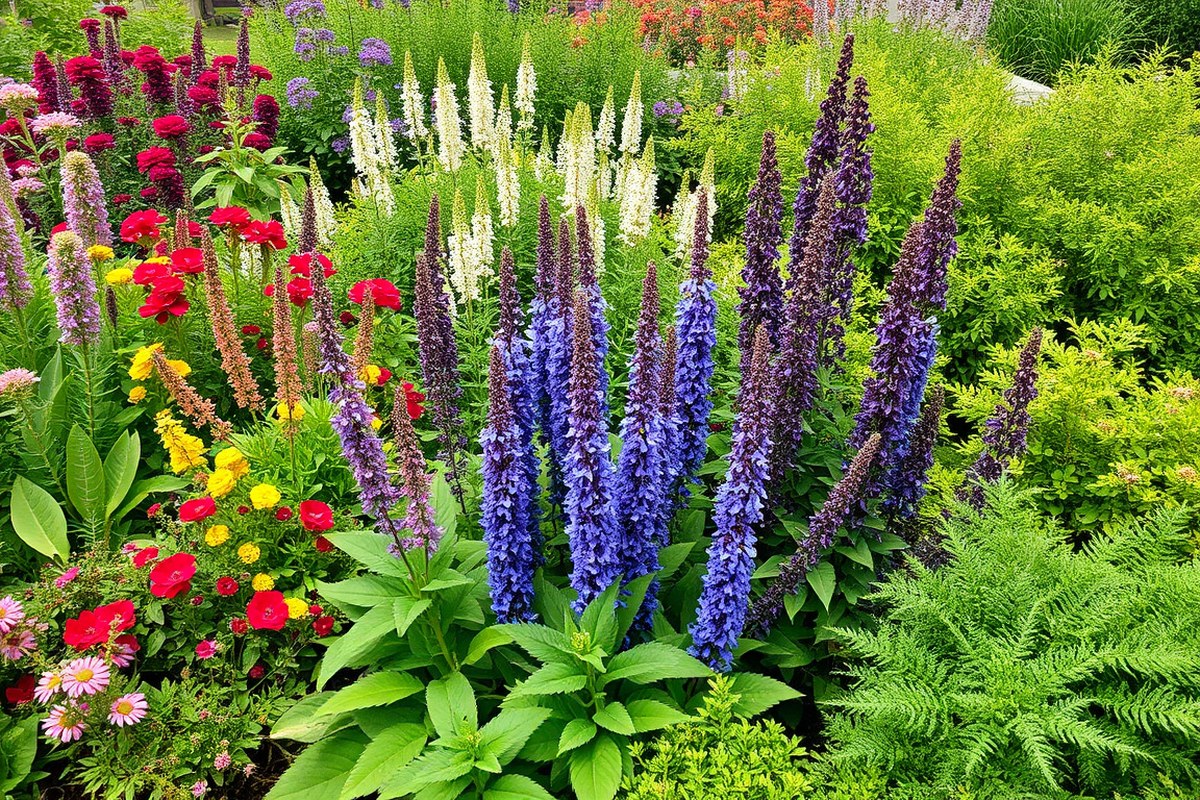
Perennial plants come in several types that differ in stem texture, leaf retention, and underground storage. Knowing these types helps you pick the right plants and care for them properly. Let’s look at herbaceous and woody perennials.
We’ll also cover evergreen and deciduous plants. Plus, underground storage like bulbs and tubers.
Herbaceous vs Woody Perennials
Herbaceous perennials have soft, flexible stems that die back to the ground each winter. They regrow from roots or a crown when warmer weather returns. Examples include peonies, hostas, and coneflowers, which gardeners mostly grow for flowers or foliage.
Woody perennials, like trees and shrubs, develop hard stems that last year-round. These plants keep a permanent structure above ground and can be either evergreen or deciduous. They usually live longer than herbaceous types and provide structure to your garden for many years.
Knowing the difference helps you plan garden maintenance since woody perennials need pruning. Herbaceous ones often need dividing and replanting every few years.
Evergreen, Deciduous & Semi-Evergreen Types
Evergreen perennials keep their leaves or needles all year, adding color even in winter. Boxwood is a woody evergreen plant.
Some hollies are, too. They keep gardens looking steady year-round.
Deciduous perennials lose their leaves during colder or dry seasons. This process helps them conserve energy until conditions improve. Many herbaceous perennials, like daylilies, vanish above ground in winter but regrow in spring.
Semi-evergreen plants keep some foliage but lose parts during winter. This group can offer visual interest longer than deciduous kinds but still go partly dormant.
Bulbs, Tubers, Rhizomes in Perennials
Bulbs, tubers, and rhizomes are underground storage organs that let perennials survive frost and drought. Bulbs, like tulips and daffodils, store food in layered scales underground. They usually sprout shoots in spring after winter dormancy.
Tubers, such as dahlias and begonias, are thickened underground stems or roots that store nutrients. These perennials grow back each year from tubers.
You can divide tubers to make new plants. It’s an easy way to get more for free.
Rhizomes grow horizontally underground and produce new shoots and roots along their length. Iris and ginger are common plants with rhizomes. Dividing rhizomes every few years keeps plants healthy and vigorous.
Divide perennials with bulbs, tubers, or rhizomes every 2 to 4 years. This helps boost growth and flowering. Doing it regularly keeps plants healthy.
How Perennial Plants Survive Winter and Harsh Conditions
Perennial plants survive winter by going dormant. They protect key parts below ground during harsh conditions.
They die back above ground but keep underground organs safe from freezing. These adaptations let them regrow once warmer weather returns.
Dormancy and Dieback Processes
When cold weather arrives, many perennials stop growing and enter dormancy. Their stems and leaves die back to the soil level to conserve energy. This dieback reduces damage from frost and freezing temperatures.
During dormancy, the plant focuses on preserving roots or crowns under the soil. These parts can survive harsh conditions even if the aboveground parts cannot. This pause helps the plant endure months of cold or drought.
Role of Underground Storage Organs
Perennials often use bulbs, tubers, rhizomes, or thickened roots to store nutrients. These storage organs keep food reserves safe underground through winter. They provide energy for regrowth when spring arrives.
For example, tulips use bulbs, while daylilies rely on rhizomes. These organs stay protected below the surface where temperatures stay warmer than the air. They support quick shoots and leaves growth once conditions improve.
Differences in Hardiness and Climate Impact
Hardiness varies by species and USDA zones that reflect minimum winter temperatures. Some perennials survive winters down to -40°F in Zone 3.
Others cannot handle less than 20°F in Zone 9. Knowing your zone helps select resilient plants.
Microclimates in your garden influence survival too. A protected corner may keep plants alive even if the surrounding area is colder. Mulching adds extra insulation for roots and increases the chance of perennial plants coming back strong.
Identifying Perennial Plants in Your Garden or Store
Look for plant tags to spot perennials when buying plants. The tags often state “perennial” and list USDA hardiness zones. These zones reveal if a plant comes back year after year in your area.
You’ll also find flower timing on the tag. This helps you plan when each perennial blooms and arrange for continuous garden color.
Physical traits can show if a plant is perennial. Perennials often have woody or fibrous stems that survive winter.
Their leaves may die back in cold seasons but regrow from the roots. Young perennials might grow slowly at first, focusing on root growth before flowering fully.
- Check tags for “perennial” status and hardiness zones.
- Note bloom times to stagger flower appearance in your garden.
- Look for woody stems or dying leaf growth in cold months.
- Identify plants that survive or regrow each spring or summer.
- Ask if the plant is herbaceous or woody for growth clues.
Knowing the lifecycle helps choose plants that fit your garden’s timing. Perennials usually bloom for weeks, not all season long like annuals. Mixing different perennials ensures blooms in spring, summer, and fall.
However, remember perennials may look small and flower less the first year. Adjust your expectations and give them time to establish well.
Look also for common perennial names such as coneflowers, hostas, and daylilies. These names often mean the plant lives multiple years.
Always match the plant’s needs with your garden’s conditions. Location, soil, and local climate affect if a perennial thrives or dies after one season.
Understanding USDA Hardiness Zones for Perennial Success
The USDA Plant Hardiness Zone Map divides North America into zones. Each zone represents the average minimum winter temperature, ranging from −60°F to 60°F. This map helps you find which perennials can survive your local climate.
Perennials are rated for zones that match their cold tolerance. Peonies grow well in zones 3 to 8. They might not survive colder or warmer zones.
Avoid planting them outside this range. Choosing plants outside your zone risks losing them to winter freeze or summer heat.
Check your zone on the USDA map first. If in Canada, use Natural Resources Canada’s map. This helps match perennials to your zone.
Then look at the zone range listed on plant tags or seed packets. Pick plants rated for your zone or a slightly wider range for safety.
Local extension services also offer planting advice to help you adapt perennial care for your area. Since native perennials evolved in your region, they resist local pests and diseases better. This means they usually need less care and support more wildlife.
Planting zone-appropriate perennials costs no more than others but saves money over time. You avoid replacing plants yearly and reduce watering or pesticide use. Microclimates in your yard can change your zone a bit.
Sunny slopes or shady areas affect plant growth. Consider these when choosing plants. Test a few plants to see how they do.
Don’t ignore your zone. Planting perennials not rated for it often means they won’t survive winter cold.
How to Plant and Care for Perennial Plants over Time
Plant perennials at the right time. Care for them properly. This helps them thrive year after year.
Plant mostly in early spring. Then, water, feed, prune, and divide as they grow. These tasks keep your plants healthy and looking their best throughout seasons.
Ideal Planting Time and Preparation
Plant perennials in April or May. The soil warms up enough then. Roots grow well at this time.
Some woody shrubs and trees can go in as early as March. Preparing the soil well before planting ensures your new plants get a good start.
Use a rich soil blend called triple-mix soil, available at garden centers. It contains loam, manure, and peat moss, perfect for nutrient needs. Avoid planting in very wet or frozen ground because roots might rot or fail to establish.
Watering, Feeding and Soil Needs
Most perennials do best with moderate watering, especially right after planting. Water deeply so the soil stays moist but not soggy. Overwatering can harm roots and cause diseases while underwatering stresses the plant.
Apply fertilizer lightly in spring using a balanced one, or sprinkle compost yearly around the base. Perennials generally need less feeding than annuals after they settle. Good soil care supports steady growth and flowering.
Dividing and Pruning Perennials
Dividing perennials every few years rejuvenates them and keeps soil nutrients healthy. The best times to divide are in spring or early fall. Dividing gives you new plants to fill other garden spots or share with friends.
Prune carefully and at the right time for your plant species. Most perennials benefit from pruning after flowering or during winter. Avoid pruning in the first year to let young plants develop strong roots and shoots.
Planting and caring for perennials involves a few clear steps to get started:
- Choose a sunny or part-shade spot with well-drained soil.
- Prepare soil with triple-mix to improve texture and nutrients.
- Dig a hole twice as wide and deep as the root ball.
- Set the plant at soil level, spread roots gently, and backfill soil.
- Water thoroughly right after planting to settle the soil around roots.
- Apply mulch to preserve moisture and control weeds around the plant.
- Water regularly during dry spells, especially the first growing season.
- Monitor for flowering and prune after bloom times unless winter pruning is recommended.
Common Mistakes and Myths About Perennial Plants
One common mistake is expecting perennials to bloom all year long. Perennials usually have specific bloom seasons and then rest. Ignoring their natural cycle can make you worry needlessly about their health.
Another error is poor planting depth. Many perennials need their crowns planted just at soil level. Planting too deep can cause crown rot, while too shallow can dry out roots.
Not using the right fertilizer often slows perennial growth. Phosphorus-rich fertilizer helps roots establish well. Avoid high nitrogen fertilizers at first, or your plants might grow soggy and weak.
Here are frequent mistakes gardeners make, along with easy fixes:
- Expecting constant blooms, learn each perennial’s bloom season
- Planting crowns too deep or too shallow, aim for soil level
- Ignoring soil drainage, ensure well-drained soil to avoid rot
- Overwatering or underwatering, keep soil moist but not soggy
- Using high nitrogen fertilizer at planting, use phosphorus-based instead
- Trimming foliage too early in fall, let leaves die back naturally
- Assuming perennials come back everywhere, check hardiness zones first
A widespread myth is that perennials live forever without care. They do need some grooming, like dividing crowded clumps every few years. Without that, they grow less healthy and may stop blooming well.
Another myth says perennials don’t die back in winter. Most do die back above ground. Their roots survive underground and send up new shoots in spring.
Planning a Perennial Garden for Year-Round Bloom and Interest
Pick perennials with different bloom times to get flowers all year long. Early spring bloomers like daffodils start the show.
Then add summer flowers such as coneflowers and black-eyed Susans. Finish with fall bloomers like asters or mums for late-season color.
Arrange plants by height and bloom order. Put taller perennials at the back of your bed.
Place shorter ones in front so every flower shows. Group plants that like similar sun and water levels to keep care easier and growth healthy.
Plan for a mix of flowering and foliage interest. Some perennials fade after blooming but their leaves still look good.
Choose shrubs or woody perennials to provide structure in winter when herbaceous plants die back. You can prune perennials like roses yearly to keep flowers coming.
Plant new batches of your perennials the same year your first bloom. This helps replace any plants that don’t come back next season. Planting clumps of the same species creates a stronger visual impact.
Single plants spread out don’t stand out as much. Grouping them together amplifies their effect. Just watch each plant’s mature size to avoid overcrowding.
Choose perennials that bloom at different times and plant in groups for continuous color all season.
Step-by-Step Action Plan to Start Growing Perennials
Use this plan to get your perennial garden going. Follow these steps to ensure your plants thrive.
- Before you start: Choose perennial plants suited for your USDA hardiness zone. Check the zone on a map. So you pick plants that will survive your winters.
- Week 1: Prepare your soil by loosening it and adding organic compost. Healthy soil helps perennials establish strong roots.
- Week 2: Plant your perennials at the right depth. This is often twice the size of their root ball. Make sure they are neither too shallow nor too deep. Check that the crown sits just above soil level.
- Week 3: Water your new plants thoroughly but avoid overwatering. Soil should stay moist, not soggy, to prevent root rot.
- Month 1: Apply mulch around the base to keep moisture in and reduce weeds. Monitor your plants weekly for growth and health.
- Month 3: Fertilize lightly with a balanced fertilizer or compost tea. Notice if your plants develop more leaves or blooms.
- Ongoing: Cut back dead stems in early spring or after blooming. Watch how your perennials come back year after year.
Frequently Asked Questions
How Long Does a Perennial Plant Typically Live?
A perennial usually lives for three years or more. Some perennials, like goldenrod, can last up to 10 years or beyond with proper care.
Can I Grow Perennial Plants Indoors Successfully?
Yes, some perennials do well indoors if they get enough light. Choose varieties suited for pots and maintain stable temperatures.
Do Perennial Plants Need to Be Divided?
Many perennials benefit from division every few years to keep them healthy. Dividing helps manage growth and promotes better flowering.
Are All Perennials Evergreen?
Not all perennials stay green year-round. Many die back in winter and come back in spring, such as common herbaceous types.
Can Perennial Plants Change Their Growth Habit over Time?
Some perennials may become woody or more shrub-like as they mature. This depends on the species and growing conditions.
Do Perennial Plant Labels Guarantee Year-Round Growth?
Plant tags mean perennials survive in listed USDA zones, not everywhere. Growth depends on local climate and winter hardness.
Before You Go
Perennial plants come back each year, making your garden easier to maintain. Start with the right plant for your zone and keep care simple. Try planting one or two perennials soon and see how they grow over seasons.