How Much Weed from 1 Plant a Complete Guide to Realistic Yields and Boosting Results
How much weed from 1 plant varies a lot depending on many factors. On average, a healthy indoor plant produces about 112 grams of dried buds.
Outdoor plants usually give more, between 450 and 1350 grams per plant. This difference happens because outdoor plants grow bigger with more sunlight and space.
The final weight depends on genetics, environment, and growing techniques. You can’t count on a fixed amount, but you can control some key factors.
For example, keeping temperature between 20-25°C and humidity around 40-60% helps plants grow strong. Proper lighting and nutrient feeding also improve yield.
Fresh buds are heavy because they contain 75 to 80% water. After drying, expect the weight to drop by about 60%.
Planning your grow means anticipating this moisture loss when estimating your final harvest. Proper drying and curing improve the quality and final usable weight as well.
Key Takeaways
- A single indoor plant averages about 112 grams of dried cannabis.
- Outdoor plants can yield 1 to 3 pounds of dried buds.
- Humidity should be lowered to 40-50% during flowering to prevent mold.
- Keep temperature steady between 20-25°C for healthy plant growth.
- Freshly harvested buds weigh much more due to high water content.
- Expect to lose around 60% of weight during drying.
How Much Weed Does One Cannabis Plant Produce on Average?
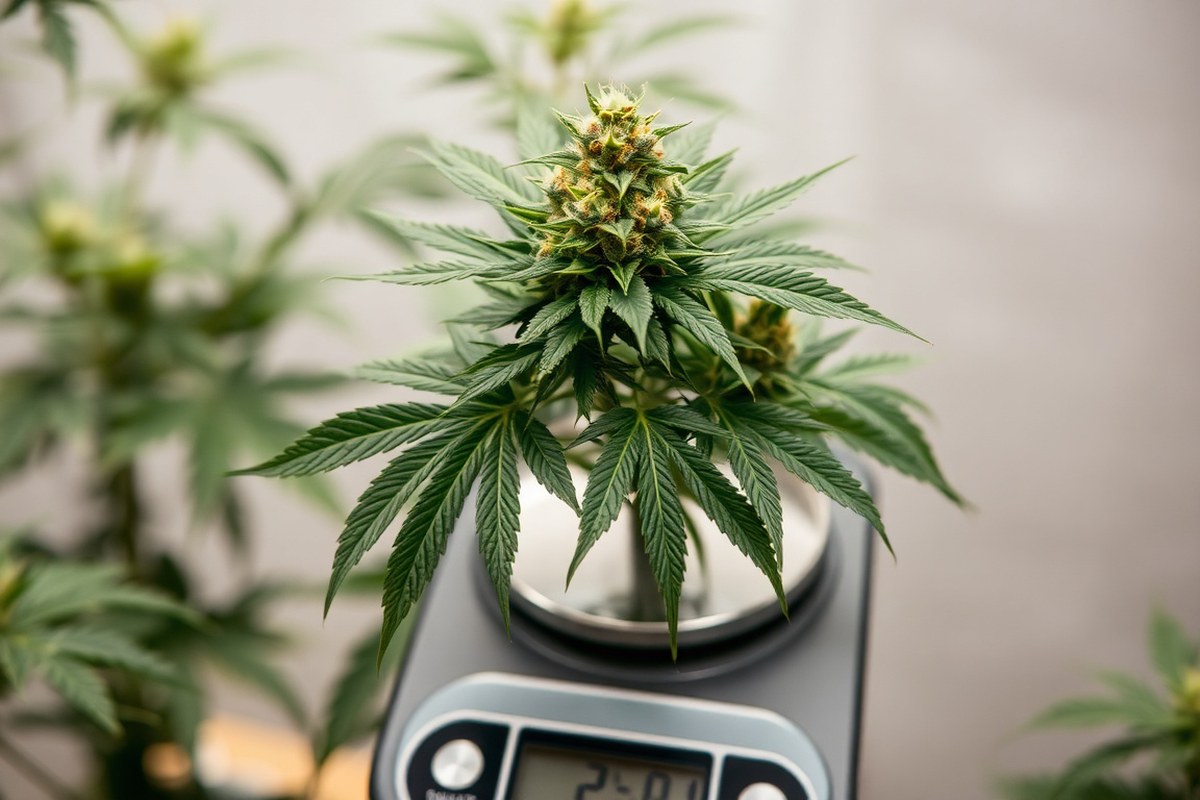
Indoor cannabis plants usually yield 150 to 600 grams. That equals 5 to 21 ounces of dry buds. Yields depend on strain and growing conditions.
Outdoor plants often give more buds per plant. They can produce 300 to over 900 grams.
That’s 10 to 32 ounces or more. These numbers depend on factors like strain, growing conditions, and how experienced you are.
Wet weight is the weight of freshly harvested buds before drying. Buds lose about 70 to 75 percent of their weight during drying. If you harvest 1000 grams of wet buds, expect less dry weight.
Dry flower weight will be about 250 to 300 grams. Drying and curing remove moisture.
| Growing Method | Average Dry Yield Per Plant |
|---|---|
| Indoor (large photoperiod) | 150, 600 g (5, 21 oz) |
| Outdoor (photoperiod) | 300, 900+ g (10, 32+ oz) |
Beginners should expect lower yields from their plants. About 150 grams indoors and 300 grams outdoors is common. These numbers improve with experience.
Experts use strong lights and training methods indoors. This can push yields close to one pound, about 450 grams.
Outdoor yields can be even higher. Realistic beginner yields start around 30 grams (1 ounce) for small indoor setups.
To calculate your dry yield from wet harvest weight, multiply the wet weight by 0.25 to 0.3. For example, 2000 grams of wet buds will dry down to approximately 500 to 600 grams. This calculation helps you understand what your actual yield will be after drying and curing.
Which Genetics Impact Cannabis Plant Yield Most?
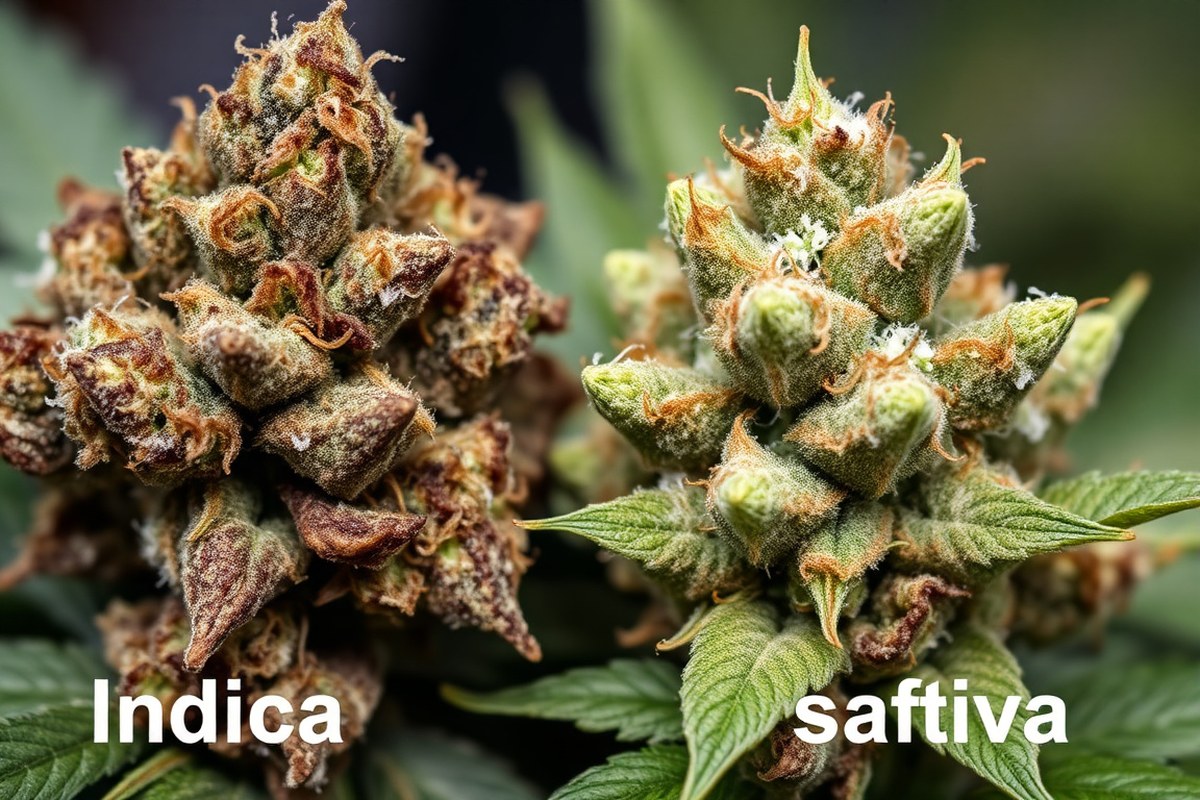
The genetics of cannabis plants greatly affect their yield potential. Indica strains usually have dense, heavy buds in compact clusters. They pack more mass into smaller spaces.
Plants often produce bigger flower buds. This means more bud per plant. Sativa strains grow tall and airy, with more spaced-out flowers.
They get yield from volume, not density. Their yield can be quite large. Outdoors, it can exceed 1 kilogram.
Hybrids mix traits from both indica and sativa, balancing bud density and plant height. Their yields vary widely depending on which genetics dominate. Autoflowering strains flower on a timer and finish quicker than photoperiod plants.
Some autos are smaller but still deliver good yields. They can reach 150 grams outdoors. This happens by using their short life cycle fully.
Photoperiod plants allow growers to control the flowering time by adjusting light cycles. This gives photoperiod strains a chance to stay longer in the vegetative phase. Longer veg time means bigger plants and larger yields, especially indoors where light is controlled.
Autoflowers flower by themselves after a set time. This limits their size and yield. It speeds harvests to two or three cycles yearly.
| Strain Type | Average Indoor Yield (grams/plant) | Average Outdoor Yield (grams/plant) | Typical Structure | Yield Traits |
|---|---|---|---|---|
| Indica | 300-500 | 400-600 | Dense, compact buds | Heavy, sticky flowers |
| Sativa | 350-600 | 600-1000+ | Tall, airy branches | Larger but less dense buds |
| Hybrid | 350-550 | 400-700 | Balanced traits | Variable, often good yields |
| Autoflower | 100-200 | 100-150 | Small, fast growth | Fast, moderate yields |
To choose a high-yield strain, consider your space and growing style. For limited indoor space, indica or indica-dominant hybrids make sense. They produce dense buds without growing too tall.
Outdoors, sativa strains can give much more if they have room to stretch. Autoflower strains fit growers who want speed and simplicity but expect lower yields per plant.
Remember to balance genetics with your lighting, nutrients, and care strategies. Genetics set the potential. But you still have to meet each plant’s needs to reach high yields.
A photoperiod plant’s final harvest weight depends heavily on how long you veg it. Autoflowers can’t veg longer, so fully optimizing their nutrients and light is key.
Picking the right genetics means matching the strain to your space, grow style, and patience level. Don’t expect autoflowers to match photoperiod yields unless you run multiple cycles per year.
How Do Indoor and Outdoor Growing Methods Affect Yield?
Indoor and outdoor cannabis growing differ mainly in space, light, and environment. Outdoors, plants can grow much larger and several feet tall. They often produce around 500 grams per plant in ideal conditions.
Indoors, space and light limit plant size. But controlled conditions and hydroponics can boost yields to about 1 gram per watt of light.
Outdoor plants thrive with plenty of root space and sunlight over long summers. They often need 10-gallon or larger pots to support big growth. In contrast, indoors you might use 3 to 7-gallon pots, limiting plant size.
Limited root space indoors restricts plant growth. Training techniques like topping help plants use light better. SOG also helps manage space effectively.
Indoor hydroponics systems often produce 40-50% more than soil grows inside. Hydroponics delivers nutrients directly to roots, speeding growth and increasing flower volume.
However, you must manage water quality and check for system failures regularly. Indoor setups also cost more upfront for lights, ventilation, and pumps.
Space efficiency indoors is key. Giving each plant about 1 square meter maximizes yields by allowing good airflow and light penetration.
Crowding plants lowers yield because leaves inside the canopy get less light and air. Using trained plants or smaller strains can fit more per area, balancing quantity and quality.
Outdoors, plants benefit from natural air, sunlight, and larger pots, leading to higher individual yields. But they face challenges like pests, weather, and limited growing seasons.
You can improve outdoor yields by adding support for branches and monitoring water and nutrients closely. Good soil and companion planting help prevent problems.
You can expect similar total harvests growing one large outdoor plant. Several smaller indoor plants can yield about the same under good conditions. Indoor yields measure grams per square meter, while outdoor yields are grams per plant.
This means a 600W indoor setup can yield about 600 grams total. One outdoor plant might yield 500 grams or more.
Maximize indoor yields by focusing on quality lighting, ventilation, and root health. For outdoor, pick genetics suited to your climate and provide plenty of water and nutrients. Both methods improve greatly with proper plant training, regular pruning, and pest control.
Each has tradeoffs: indoor runs cost more but offer year-round growing. Outdoor is cheaper but depends on the season and weather.
Which Environmental Factors Influence Cannabis Yield Most?
Keeping temperature and humidity right makes a big difference in yields. During the vegetative stage, aim for 70°F to 85°F with humidity between 50% and 60%.
In flowering, keep temperature cooler at 72°F to 82°F. Drop humidity below 50% to prevent mold. This also helps buds get denser.
Higher CO2 levels can push yields higher by speeding photosynthesis. Enriching the air with CO2 around 1000 to 1200 ppm helps.
But only if light, water, and nutrients are all on point. Otherwise, the plant won’t use the extra CO2 and won’t grow bigger buds.
Environmental stress from wrong humidity or temperature slows growth and shrinks buds. High humidity during flowering invites mold.
Too-low levels make plants dry out, hurting bud quality. Extreme heat or cold also cuts flower size because plants slow down or stop making resin.
- During veg, keep temperature 70°F, 85°F and humidity 50%, 60%
- For flowering, adjust to 72°F, 82°F and humidity below 50%
- Raise CO2 to about 1000, 1200 ppm with proper lighting
- Use fans for steady airflow to reduce mold risk
- Watch plant leaves, curling or dropping means stress
- Lower humidity gradually as flowering progresses to avoid bud rot
Adjust humidity by using a humidifier or dehumidifier. For temperature, small heaters or air conditioners help control the grow room climate.
Keeping changes slow and steady lets plants adapt well without shock. So bud growth stays strong.
Signs of trouble include droopy leaves, slowed flower growth, or mold spots. Fix these by checking your environment gear or moving plants to a better spot.
Getting conditions right takes practice. But it pays off in bigger, denser buds that fill your harvest weights.
What Growing Techniques Increase Yield per Plant?
Training your cannabis plant can increase your yield. It creates more bud sites. It also helps light reach the plant better.
Low Stress Training, topping, and SCROG help spread the plant. They increase canopy size.
This means more light hits leaves and buds. These methods let you grow more colas and get stronger harvests.
Low Stress Training (LST) Explained
Low Stress Training involves bending and tying down branches to create a flat, even canopy. It lets light reach lower buds, so they grow bigger and denser. This method is gentle on the plant and works well indoors or outdoors.
Start LST when your plant is young and flexible. This is usually 2 to 3 weeks into the vegetative stage. Early training helps shape the plant better.
Use soft ties or garden wire to secure branches. Adjust these ties every few days as the plant grows.
This keeps branches in the right position. This spreads branches horizontally without breaking stems.
- Choose healthy, flexible branches for bending.
- Use soft ties to gently bend branches outward or sideways.
- Tie branches to stakes or pot edges to hold their position.
- Check and adjust ties every 2 to 3 days as the plant grows.
- Continue bending new growth to maintain an even canopy.
- Stop LST when flowering starts to avoid stressing the plant.
Don’t bend branches too sharply or you’ll risk snapping them and stunting growth.
Using SCROG to Maximize Canopy
SCROG means Screen of Green and uses a screen or net to control plant shape. You train the plant’s branches to grow through the screen, creating a wide, flat canopy. This maximizes light exposure and airflow to every bud site.
Start SCROG when the plant is young, just as it enters the vegetative stage. Place a screen about 18 to 24 inches above the growing medium. Train the branches through the holes and tie them down to spread the canopy evenly.
- Install a square or rectangular screen 18, 24 inches above the soil.
- Let the plant grow through the screen’s holes as branches develop.
- Bend and tuck branches under or through the screen to fill gaps.
- Tie branches lightly to keep them spread and horizontal.
- Remove growth below the screen to focus energy on the canopy.
- Stop adjusting once the screen is full, then switch to flowering.
Make sure your screen mesh lets branches through easily. It should still hold and support them fully. Find a balance between size and support.
Topping and Pruning for Bigger Buds
Topping is cutting off the main stem top to force the plant to grow more colas. This redirect growth creates multiple strong branches and more bud sites. It’s a simple high-stress training method that works best early in the vegetative stage.
To top, wait until your plant has at least 4 to 6 nodes. Cut just above the second or third node with clean scissors. After topping, the plant grows two main stems instead of one.
This makes the plant bushier. It can lead to more bud sites.
- Confirm the plant has 4 to 6 nodes before topping.
- Use sharp scissors to cut the main stem just above the third node.
- Remove excess leaves and smaller growth around the cut site.
- Watch new growth appear from the next lower nodes within 5 to 10 days.
- Repeat topping if desired after 1 to 2 weeks for multiple branches.
- Stop topping before flowering to allow the plant to focus on buds.
Don’t top plants in flowering stage; it slows bud development and reduces yield.
How Long Does It Take to Grow and Harvest Cannabis Plants?
Cannabis growth time varies mainly by plant type. Autoflowers finish in about 10 weeks, while photoperiod plants take longer. This affects how much weed you can harvest.
Vegetative Stage Duration
The vegetative stage sets the plant’s size and final yield. Photoperiod cannabis needs at least 18 hours of light daily during this phase to thrive. This stage can last several weeks, allowing the plant to grow large and strong.
Autoflower plants don’t control their veg time; they switch to flowering automatically. This means their vegetative phase lasts only a few weeks, limiting their size. In contrast, photoperiod plants can stay in vegetative for months if allowed.
Healthy light and nutrients during veg ensure bigger plants. Stress or weak light during this phase cuts down your harvest potential substantially.
Flowering Stage and Yield Impact
Flowering length directly affects final yield and bud quality. Photoperiod plants start flowering when they get 12 hours of light. They also need 12 hours of complete darkness daily.
This 12/12 light and dark cycle triggers flowering. This phase usually lasts 7 to 10 weeks depending on the strain.
Autoflowers bloom on their own timer, finishing flowering in about 5 to 6 weeks. This shorter bloom time leads to generally smaller yields. But autoflowers let you grow more crops yearly due to faster cycles.
The longer photoperiod plants flower, the heavier and denser buds usually get. But extended flowering risks overripe buds, so timing matters.
Optimal Harvest Timing for Maximum Weight
Wait until most buds ripen before harvesting. This balances weight and cannabinoid potency. Cutting too early lowers your total yield and quality.
Look for trichomes on buds to judge readiness. Clear trichomes mean immature buds, while cloudy or amber trichomes show peak maturity. Most growers harvest when about 70% of trichomes turn cloudy.
- Check trichomes daily near expected harvest window
- Observe pistils: 70-90% dark and curled means near harvest
- Keep humidity around 40-50% during late flowering
- Flush nutrients 1-2 weeks before harvest to improve taste
- Harvest sections of the plant at different times if needed
Proper timing avoids wasted growth or loss of potency. After harvest, drying and curing preserve weight and quality. Plants harvested too soon tend to have airy buds with low weight.
| Growth Stage | Photoperiod Plant | Autoflower Plant |
|---|---|---|
| Vegetative Stage | 3 to 12+ weeks (depends on grower control) | 2 to 4 weeks (automatic switch) |
| Flowering Stage | 7 to 10 weeks (strain dependent) | 5 to 6 weeks (fixed) |
| Total Time Seed to Harvest | 10 to 16+ weeks | About 10 weeks |
How to Estimate Yield Potential Before Harvest?
You can estimate cannabis yield by tracking the light watts and canopy size your plants get. Also, note how healthy and big the plants grow before harvest. Combining these helps you guess the dry weight in grams.
Calculating Grams per Watt
Light wattage directly impacts how much weed your plant can produce. A skilled grower targets about 1 gram per watt of light.
This applies to HPS or HID lights. It’s a common goal in indoor grows.
A 1000-watt light can produce nearly 1000 grams of dry weed. This happens if conditions are ideal.
Light strength matches yield expectations. This method gives a straightforward estimate before harvest.
Using Canopy Size to Guess Yield
Canopy size shows how much leaf and bud surface your plant covers. Bigger canopies usually mean more buds and higher yield.
Use this formula to estimate: grams = canopy square feet × 50 to 60 grams. A 4-square-foot canopy might produce 200 to 240 grams.
Yield depends on training, genetics, and how light reaches the plant. These all affect growth. Good lighting alone isn’t enough.
Health and Growth Indicators to Watch
Strong plant health means better yield potential. Watch for dark green leaves, sturdy stems, and many bud sites. These show the plant is thriving.
Stress from pests, disease, or poor nutrients lowers yield. A slow-growing or yellowing plant likely produces less bud, no matter the light or size. Follow these steps to estimate your harvest weight:
- Measure the wattage of your grow light in use. Use HID or HPS equivalent watts for best results.
- Calculate the total canopy size by measuring the plant’s length and width. Multiply these for square feet.
- Multiply your canopy size by about 50 grams to get a mid-range yield estimate.
- Adjust yield prediction by the plant’s health, lower if the plant shows stress or damage.
- Use 1 gram per watt as a check against your canopy size. This helps confirm expected yield. It’s a handy cross-check method.
- Compare results to find a realistic harvest weight range.
With 600 watts and 5 square feet, expect 250 grams from canopy. The wattage suggests 600 grams could be possible.
These numbers may vary. The plant’s health will help you pick a number between these.
What Common Mistakes Reduce Cannabis Yields and How to Fix Them?
Poor lighting is a leading cause of small, loose buds. Using weak bulbs or placing lights too far from plants stunts growth.
Fix this by installing high-quality LED grow lights within 12 to 18 inches of the canopy. Adjust height as the plant grows to avoid light burn or stretching.
Overwatering suffocates roots and invites mold, reducing yields. Let soil dry for 1 to 2 inches between waterings.
Use a moisture meter or poke fingers into the soil to check. Underwatering causes droopy leaves and slower bud development, so find a balance.
- Check light intensity and distance weekly; replace bulbs every 1-2 years
- Water deeply but infrequently, allowing soil to dry slightly
- Feed plants with balanced nutrients as per growth stage instructions
- Monitor pH levels regularly, aiming for 6.0 to 7.0 in soil
- Harvest when about 70-90% of pistils darken for best potency
- Control humidity during flowering to 40-50% to prevent mold
Nutrient deficiencies cause malformed leaves and weak buds. Yellowing leaves usually mean less nitrogen, while purple stems can signal phosphorus problems.
Use complete fertilizers designed for cannabis and adjust feeding schedules. If unsure, test your soil or growing medium to identify lacking elements.
Timing the harvest is critical. Picking too early results in airy buds, while too late lowers potency and weight. Watch trichomes with a magnifier.
Clear means too soon, milky indicates peak THC, and amber shows THC degradation. Harvest within this milky window for maximum yield and quality.
Don’t ignore mold or pest signs; they spread fast and devastate yields. When problems get out of hand, contact a local grower or professional for help.
Step-by-Step Action Plan to Maximize Your Cannabis Yield
Follow this plan to grow one cannabis plant with better yields. Each step has a clear action and a way to check your progress.
- Before You Plant: Choose a high-yield genetics strain. Look for strains that breeders list with large bud sizes to start strong.
- Week 1: Set up your grow space with good lighting and temperature controls. Check that lights reach about 18 inches above the plant for even growth.
- Week 2 to 4: Use training methods like low-stress training (LST). You’ll see your plant stretch and form more bud sites.
- Week 5 to 7: Keep air humidity around 40-60 percent and temperatures at 70-80°F. Monitor leaf health for signs of stress like curling or yellowing.
- Week 8 to 10: Switch to bloom nutrients with higher phosphorus. When buds start swelling, this switch helps fill out dense flowers.
- Just Before Harvest: Check trichomes with a magnifier. When most are milky white with some amber, it’s time to cut your plant.
- Harvest Day: Cut branches, trim buds carefully, and dry in a dark, cool place. Proper drying improves weight and potency.
- After Harvest: Record your final dry weight. Use this to adjust your next grow for better yields.
Frequently Asked Questions
Can You Get More Weed by Growing Fewer Plants with More Light?
Yes, giving one plant more light can increase yield. Each gram of light wattage normally produces about one gram of dried bud under ideal conditions.
Does Pot Size Affect How Much Weed Your Plant Will Produce?
Yes, a bigger pot helps roots grow larger and healthier. More roots allow the plant to absorb more nutrients, boosting bud quantity and size.
How Do Nutrients Influence the Amount of Weed from One Plant?
Proper feeding is key to a good harvest. Balanced nutrients help plants develop big, dense buds instead of weak growth or burnt leaves.
Will Pruning Stronger Branches Increase My Weed Yield per Plant?
Pruning encourages the plant to focus energy on fewer, stronger branches. This can increase bud size and density if done correctly during early growth.
How Does Humidity Affect My Cannabis Plant’s Final Bud Weight?
Correct humidity levels prevent mold and stress on the plant. A balanced environment promotes healthy bud development, which maximizes yield weight.
Can CO2 Enrichment Really Increase Weed Yields in Indoor Grows?
Yes, raising CO2 can boost photosynthesis and bud growth. It must be combined with strong light and good airflow to see gains.
Before You Go
One cannabis plant’s yield depends on many factors. But you can improve it with care. Start picking good genetics and managing your grow setup now.
Next, watch your plant carefully. Make changes based on its needs. Do this for the best bud at harvest.