How Many Rounds Can You Have Deer Hunting: A Complete Legal Guide
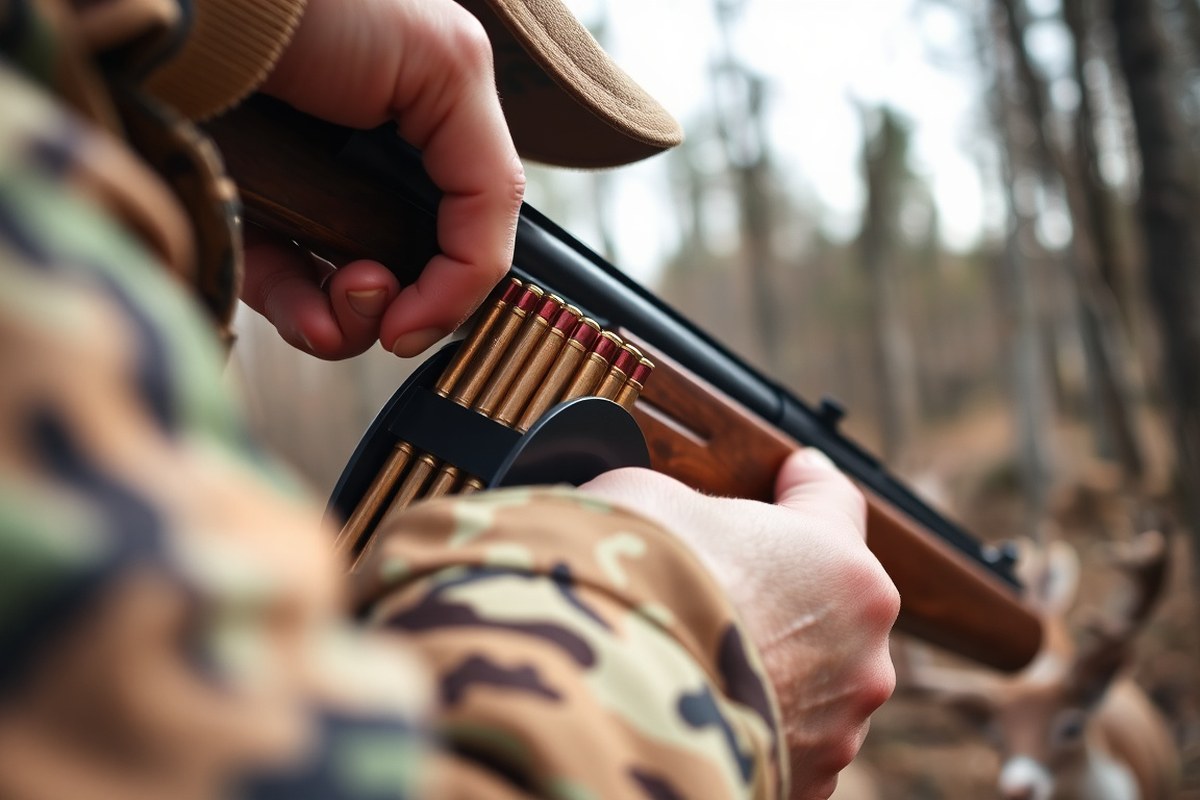
You might wonder about rifle magazine restrictions for deer hunting. Most states cap magazine capacity at five rounds or fewer. For bolt-action rifles, that typically means three to five rounds loaded, plus one round in the chamber.
Some modern sporting rifles can hold 10, 20, or 30 rounds. But many states restrict big game hunters to five rounds maximum. Always check your state’s specific rules before loading your rifle to avoid legal trouble.
Start by testing your rifle’s magazine capacity with your hunting ammo. Cycle a full magazine to make sure it feeds reliably and meets local legal limits.
Key Takeaways
- Most states limit deer hunting rifle magazines to five rounds or less.
- Bolt-action hunting rifles typically hold three to five rounds plus one chambered.
- Semi-automatic rifles often face stricter five-round limits for deer hunting.
- Some states allow magazines over five rounds, but many do not.
- Always test your magazine with your hunting ammo before the hunt.
- Check local laws before your hunt to ensure legal ammo limits.
How Many Rounds Are Legally Allowed While Deer Hunting?
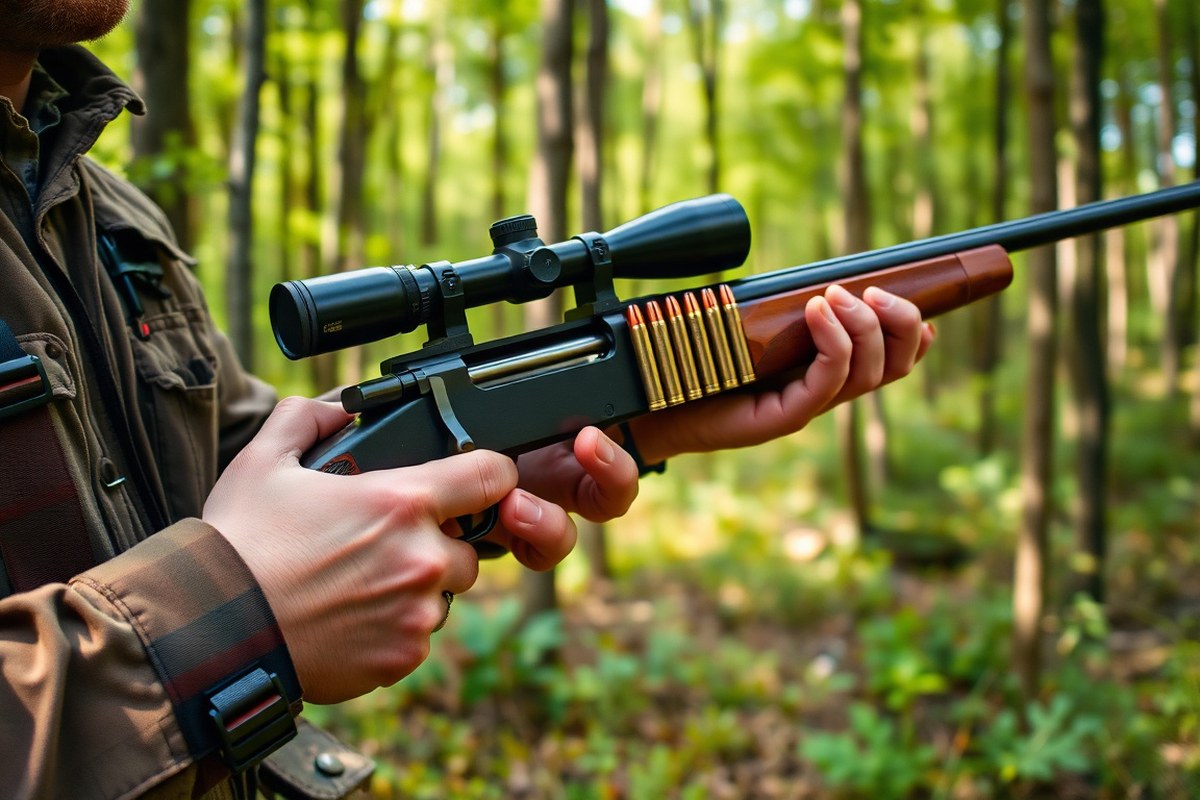
The number of rounds allowed while deer hunting changes by state. It usually ranges from three to eight rounds in a magazine. Rules vary, so check your local limits before hunting.
Some states, like Alabama, limit hunters to three rounds fired from a magazine. Others, such as Arizona, allow six rounds. Colorado permits up to eight rounds fired from a magazine during deer season.
Magazine capacity matters because many states limit how many rounds your rifle’s magazine can hold. These limits affect how many shots you can fire without reloading. Knowing your magazine size helps you stay legal.
You also need to count the round in the chamber as part of this limit. For example, five rounds allowed means four rounds in the magazine.
You can also have one round in the rifle’s chamber. That makes a total of five rounds ready to fire.
Most classic bolt-action rifles hold three to five rounds in the magazine. They can also hold one round in the chamber.
Modern rifles often hold ten to thirty rounds. But hunters usually can only carry about five rounds to stay legal.
Deciding how many rounds to carry depends on your state’s rules and your hunting style. Carry just enough rounds to stay within legal limits and to handle missed shots or follow-ups. Hunters often carry around 10 rounds for longer hunts.
This amount matches legal limits and provides enough ammo. It gives a good balance for multi-day hunting trips.
Remember, the mechanical capacity of your rifle counts all rounds physically held, including the chamber. Carrying more rounds than allowed risks fines or losing your hunting license.
Always check local regulations before hunting to avoid breaking magazine or round limits. This keeps hunting fair and safe for everyone in the field.
State-by-State Comparison of Deer Hunting Magazine and Round Limits
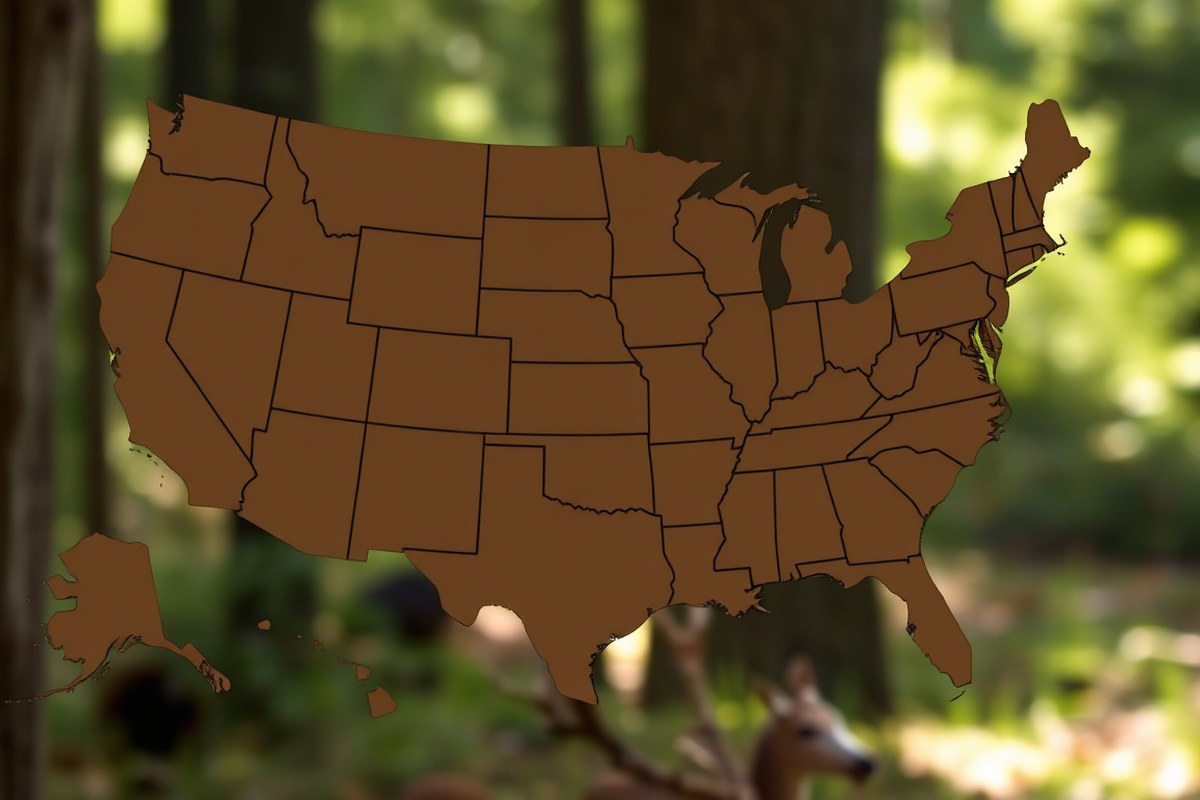
Different states set various limits on how many rounds you can carry while deer hunting. Some states allow magazines holding more than 5 rounds, especially for semi-automatic rifles. Others restrict capacity to 3 rounds or fewer to keep hunters safe and ethical.
Semi-automatic rifles often face stricter magazine limits than bolt-action or lever-action rifles. This difference means you must check your state’s rule before bringing a semi-auto hunting rifle. The table below shows major deer hunting states and their magazine round limits.
| State | Magazine Round Limit | Notes on Semi-Automatic Rifles |
|---|---|---|
| Alaska | No limit | All semi-autos allowed without round restriction |
| California | 10 rounds | Max 10 rounds for semi-automatic rifles |
| Connecticut | 10 rounds | Semi-automatic rifles limited to 10 rounds |
| Illinois | 10 rounds | 10 rounds for semi-autos only |
| Maryland | 10 rounds | Same limit applies to semi-automatics |
| Massachusetts | 10 rounds | Semi-automatic rifles restricted to 10 rounds |
| New Jersey | 10 rounds | Semi-auto rifles capped at 10 rounds |
| New York | 7 rounds | Semi-autos limited to 7 rounds |
| Rhode Island | 10 rounds | Semi-automatic rifles allowed up to 10 rounds |
| Virginia | 10 rounds | 10-round max for semi-automatics |
States like Alaska stand out by not limiting magazine size for deer hunting. On the opposite side, New York limits semi-automatic rifles to 7 rounds, lowering the typical threshold. Most other states with limits set 10 rounds as the max for semi-autos.
Some states limit hunting magazines to 5 rounds or fewer. They may allow bigger magazines for non-semi-auto hunting rifles. Those rules vary based on the rifle type.
Always check your state’s specific regulation since laws change. Carrying more rounds than allowed can lead to fines or losing your hunting license.
Always verify your rifle’s magazine size matches state law before your hunting trip to avoid penalties.
How Magazine Types Affect Allowed Rounds for Deer Hunting
Your hunting rifle’s magazine type affects how many rounds you can legally carry. Internal box magazines are built into the rifle.
Detachable box magazines can be removed and swapped. Each style may have different legal limits depending on your state’s rules.
Internal Box Magazines in Hunting Rifles
Internal box magazines are part of the rifle’s frame and don’t come out. Classic hunting rifles like the Remington 700 or Winchester Model 70 often use these. Their capacity usually ranges from 3 to 5 rounds, matching many state limits for deer hunting.
This fixed design means you can’t quickly add or remove rounds to change capacity. It also means your ammo count stays consistent during the hunt. Many hunters find this simpler for meeting legal round limits through natural rifle design.
Detachable Box Magazines and Compliance Issues
Detachable magazines slide into place and can be swapped fast. Many modern hunting rifles, like the Ruger American or Savage 110, use detachable box magazines.
These tend to hold between 3 and 5 rounds, similar to internal magazines. But higher-capacity ones are available.
States like California limit magazine size to 10 rounds. But others don’t restrict detachable magazines.
This makes it key to check local laws before hunting. Carrying a detachable magazine that holds more than allowed can lead to legal trouble.
Magazine Modification to Meet Legal Limits
You can modify detachable magazines to meet legal limits by using magazine blockers or limiting devices. These cost around $10 to $30 and are easy to install. This way, a high-capacity magazine can only hold the allowed number of rounds during the hunt.
For internal magazines, altering capacity is harder and often not practical. Some hunters remove excess rounds or limit what they load. Using the right magazine and following laws keeps your hunt safe and legal.
Legal Considerations for Hunting with Semi-Automatic Rifles
Semi-automatic rifles are legal for deer hunting in many states. But some restrict or ban them.
Check the rules where you plan to hunt before choosing your rifle. Some states allow semi-autos only with magazine limits or specific calibers suitable for deer.
Magazine capacity limits usually cap at five rounds for deer hunting. This includes any rounds in the chamber plus those in the magazine.
Many rifles come with magazines built to hold 10 or 20 rounds. But hunters often have to use a magazine limiter or swap it for a lower-capacity version.
Using a modified magazine or inserting a limiter to reduce capacity is common and usually required. For example, a 10-round magazine can have a built-in block to hold only five rounds. These changes must stay in place during your entire hunt.
They should be hard to remove. This keeps you following hunting laws.
To follow legal limits, first check your state’s hunting regulations online or in the hunting guidebook. Next, inspect your rifle’s magazine. Hold no more than your legal limit in your magazine.
Otherwise, add a limiter or switch to a legal magazine. Costs for limiters or low-capacity magazines range from $20 to $60 depending on brand and model.
Carrying more than the allowed rounds can lead to penalties or loss of hunting privileges. It’s better to carry some extra ammo in your pack rather than overloading the magazine. Need more shots?
Try changing your hunting spot or aim. Don’t just pick a bigger magazine.
In dense woods, you might want some extra rounds ready because quick follow-up shots can happen. Still, remember that having six or more rounds loaded at once is often illegal. Taking the legal route may mean slowing your shooting pace and making each shot count.
How Caliber and Cartridge Size Influence Round Capacity
Magnum cartridges like the 7mm Remington Magnum are longer and wider. That size means magazines can hold fewer rounds compared to smaller cartridges.
For example, a .270 Winchester’s standard magazine often holds 4 to 5 rounds. But magnum rifles usually hold 3 to 4 rounds because the cartridge takes up more space.
Typical hunting rifles chambered in .30-06 can hold a similar number as a .270. Both cartridges are about the same length. So their magazines fit roughly the same number of rounds.
This affects how many rounds you can carry in the field. It also limits how many fit in detachable or box magazines. Keep these limits in mind when choosing your gear.
Caliber usually doesn’t change state hunting laws about magazine capacity. However, larger calibers mean fewer rounds fit in the magazine. That difference can affect your ammo load.
Magnum cartridges usually hold fewer rounds because they are bigger. The smaller load is about size, not legal rules. Hunters expect this when packing their ammo.
| Cartridge | Typical Magazine Capacity | Common Rifle Type |
|---|---|---|
| .270 Winchester | 4 to 5 rounds | Bolt-action, Semi-auto |
| .30-06 Springfield | 4 to 5 rounds | Bolt-action, Semi-auto |
| 7mm Remington Magnum | 3 to 4 rounds | Bolt-action |
| 6.5 Creedmoor | 4 to 5 rounds | Bolt-action, Semi-auto |
Magnum calibers need larger magazines because the cartridges are longer and thicker. That size means magazine makers balance capacity with reliable feeding. Some mags hold fewer rounds to avoid jams.
Before hunting, cycle a full magazine load to test its function. This confirms your ammo works well with your gun. Testing helps avoid problems in the field.
Always cycle a full magazine of your hunting load to ensure reliable feeding in the field.
Practical Ammo Loadouts and How Many Rounds to Carry on a Hunt
The number of rounds you need depends on your hunt’s length. It also depends on your shooting situations. Plan your ammo accordingly.
For a multi-day deer hunt, carrying 10 to 15 rounds is usually enough. This amount covers several days of shooting.
It also allows for missed or backup shots. That way, you’re prepared.
Extra ammo is helpful if you expect tough shots, like dense brush or long distances. Carrying over 20 rounds usually isn’t helpful. You probably won’t fire that many shots.
Stick to a practical limit. Too much ammo can weigh you down and slow you in the field.
Check your state limits on magazine or total rounds. Plan your backup shots to stay legal. For example, if limited to 5 rounds, bring two magazines.
Or have a quick way to reload fast. Reload before a shot if you expect to have a second chance soon after.
- Carry a main supply of 10 to 15 rounds for multi-day hunts
- Add 5 rounds extra if you expect difficult shots or poor visibility
- Keep at least one magazine loaded and ready for quick backup shots
- Reload between shots or when safe if limited by state laws
- Choose lightweight ammo to reduce carrying strain on long hunts
- Use lead-free ammo if required or preferred for conservation reasons
- Check your magazine capacity to stay within legal load limits
Planning rounds this way helps you stay legal and ready. Reloading fast can give you a second chance.
It helps if your first shot misses or wounds. Avoid carrying too much ammo which adds weight but rarely improves success.
Good results come from balancing carry weight with enough backup for tough shots. A bad plan can leave you without enough rounds.
You might not reload fast when you need to. Checking your limits and packing this way puts you in control on the hunt.
Common Mistakes and Legal Risks When Carrying Deer Hunting Ammo
Many hunters think they can load any magazine size for deer hunting. This misunderstanding often comes from confusing firearm laws with hunting regulations. You must check your state’s allowed rounds before loading your rifle.
This helps you avoid penalties. Always follow these rules carefully.
Illegal magazine loading usually occurs when you fill your magazine beyond the legal limit. For example, some states limit you to five rounds in the magazine.
Loading six or more rounds can result in fines or loss of hunting privileges. Always remove excess rounds and count carefully before heading out.
Penalties for carrying too many rounds vary by state but can be serious. They often include hefty fines ranging from $100 to $500.
You might also face disqualification from the hunt or even criminal charges, depending on local laws. Game wardens usually inspect magazines at check stations or during field checks.
Here are simple tips to avoid common magazine capacity mistakes during your deer hunt:
- Count your rounds before loading and carry only the legal limit
- Use magazines with visible round counts or transparent windows
- Check state hunting regulations for round limits every season
- Unload extra rounds at home or before entering the hunting area
- Double-check your rifle and magazine at the hunting site
- Pack spare magazines legally loaded to avoid confusion
- Carry documentation of your state’s magazine and ammo limit if asked
Sometimes you may forget and load a larger-capacity magazine from casual shooting. Stop and swap it out at camp to follow the legal limits exactly.
It also helps to practice loading with only the allowed rounds before your trip. This habit avoids the worry of last-minute compliance checks.
Being careful with ammo rounds reflects on ethical hunting and staying within the law. Know your state rules before hunting. Stick to ammo limits to prevent fines.
This also keeps your hunting license valid. You want a smooth, trouble-free hunt, not hassle at the check-in or fines afterward.
Verifying Rifle and Magazine Compliance Before Deer Hunting
Before heading out to deer hunt, confirm your rifle and magazines meet your state’s limits. Measure your magazine capacity to stay legal. Check your rifle’s compliance with rules.
Contact local officials to avoid fines or losing licenses. These steps save time and keep you legal.
Measuring Magazine Capacity Accurately
Magazine capacity means how many rounds your rifle’s magazine can hold. Many states limit deer hunting magazine capacity to five rounds or less.
You can measure capacity by loading dummy rounds or snap caps one by one. Count them until the magazine is full and the next round won’t fit easily.
- Remove the magazine from your rifle safely.
- Check your magazine for maximum loading instructions or markings.
- Use dummy rounds matching your hunting caliber to avoid damage.
- Load rounds one at a time, counting each carefully.
- Stop loading when the magazine resists or won’t close properly.
- Write down the count and compare it to your state’s legal limit.
Double-check capacity if your magazines have aftermarket extensions or modifications.
Inspecting Rifle Compatibility with State Laws
Your rifle’s design also impacts legality. Some states restrict semi-automatic rifles even if the magazine size fits the limit.
Look up your state’s specific rules for your rifle type. Match your rifle model and magazine capacity to what’s allowed for deer hunting season.
States sometimes require removing or locking magazines over a certain size. Follow instructions exactly to avoid violations.
Contacting Local Hunting Authorities
State wildlife officials provide the most reliable info on hunting rules. Contact your local office before you hunt out of state or with unusual gear.
Explain the rifle and magazine details. Ask if your setup meets legal limits for deer hunting.
Their advice prevents costly mistakes. Keep the contact info handy for quick questions on the spot.
Don’t rely solely on online summaries. Phone a local district officer for the latest rules before your hunt.
Youth Hunters and Special Regulations on Ammo for Deer Hunting
Younger hunters from 9 to 16 years old need special licenses and supervision. Hunters nine and under need a mentored youth license.
This license pairs them with a qualified adult guide. This license covers deer hunting, small game, waterfowl, turkey, trapping, and fishing.
Youth 10 to 16 must have a valid deer license. This includes single deer or deer combo licenses.
These allow hunting antlered or antlerless deer under the same rules as adults. They can also buy a universal antlerless license, used across several states to increase hunting chances.
Many states limit the number of shooting rounds hunters can carry. For example, in Tennessee, hunters are restricted to six rounds in their rifle while deer hunting. Youth hunters must follow these limits just like adult hunters to stay compliant with the law.
Supervision requirements mandate a responsible adult to accompany youth hunters in most states. The adult must watch the youth closely for safety.
They help with gun handling and legal hunting. The adult should also help youth load only the legal number of cartridges.
Carrying or transporting ammo safely matters for youth hunters. Kids use artificial lights near shooting hours.
They do this when heading to or from hunting spots. They must carry unloaded firearms, letting them carry only permitted rounds securely stored to avoid accidents.
Always check specific state rules before hunting with youth, as licenses and ammo limits vary. Some states use a drawing system to issue reserved deer permits, making planning important.
Buying the right license prevents fines for youth hunters. Following round limits keeps hunting safe and fun.
What to Do If You’re Unsure About Hunting Ammo Regulations
Check with your state’s wildlife or natural resources department first. They offer the most accurate and current info on hunting ammo rules. Use their official websites or call for details if you’re unsure.
Contacting State Wildlife and Natural Resources Departments
You can call your state wildlife office to ask about ammo limits. You can also visit them in person for questions. They will provide the latest hunting rules for your area.
Phone numbers and office locations are usually on the department’s website. Staff can explain local laws, hunting zones, and cartridge size rules.
Some states have dedicated regional offices. Michigan’s DNR Waterloo Wildlife Field Office handles questions for some areas. This includes places like the Sharonville State Game Area.
You can contact them for specific hunting information. Talking directly to them clears up any confusion about legal rounds or magazine limits.
Using Official Hunting and Firearms Regulation Websites
Each state posts hunting regulations online, often including firearm and ammo rules. Look for the latest Wildlife Conservation Order or similar official documents. These include full legal descriptions and summaries to easily check your ammo limits.
Keep your state’s Natural Resources or Fish and Wildlife website bookmarked. These pages refresh hunting regulations each season. They usually have PDFs with guides and rule explanations to keep you current.
Navigating Border and Federal Land Hunting Rules
Hunting laws can change at state lines and on federal land. Always check ammo rules for both states before hunting near a border.
This prevents breaking any hunting regulations in the area. This helps avoid accidental illegal possession or use of your rounds.
Federal lands such as national forests or parks often have stricter or different rules. Always verify whether the federal agency managing the land has special ammo or firearm limits. Contact their ranger station or office to confirm before your hunt.
Follow these steps to verify ammo rules before deer hunting:
- Identify your hunting location and know the exact zone or game area.
- Visit your state’s official wildlife or natural resources website to find hunting regulations.
- Download or view the current Wildlife Conservation Order or hunting guide for your state.
- Call your local wildlife department office for questions about ammo limits and legal magazine size.
- Check listed phone numbers or emails to reach regional field offices for detailed info.
- Review both states’ hunting and ammo rules carefully near borders. This step helps you avoid any legal problems while hunting.
- Contact the federal land agency if hunting on national forests, parks, or refuges.
- Keep printed or saved copies of official regulations with you while hunting.
Step-by-Step Action Plan for Legal Deer Hunting Ammo
Get your ammo ready and your gear legal with these easy steps.
- Before hunting season: Check your state’s current laws on round and magazine limits. Visit your state’s fish and wildlife website and print the rules to carry with you.
- One week before: Check your rifle carefully. Make sure magazines fit legal size and limits. Verify with a ruler or official specs and that no modifications increase capacity.
- Three days before: Pick ammo that works with your rifle. Confirm it matches allowed calibers and sizes. Test fit magazines loaded to the allowed number of rounds.
- One day before: Put your ammo in labeled containers. Keep inside the allowed total count. Keep some extra cartridges separately in case you need to reload.
- Hunting day: Double-check your gear and ammo limits before heading out. Avoid carrying extra magazines that exceed state limits, and keep your paperwork handy.
- After hunting: Review how your ammo setup worked and adjust your loadout if needed. Note any legal changes from your state for next time.
Frequently Asked Questions
Can I Carry Extra Rounds in My Pocket While Deer Hunting?
Yes, you can carry extra loose rounds in your pocket for quick reloads. Check your state’s laws on how many rounds you can carry.
Carrying more than allowed can get you in legal trouble. Always follow these rules while hunting to stay safe.
Are There Different Round Limits for Rifles Versus Shotguns in Deer Hunting?
Yes, round limits often differ between rifles and shotguns in many states. Shotgun shell limits can be separate and usually depend on hunting seasons and local rules.
Does the Type of Hunting Firearm Affect How Many Rounds I Can Carry?
Yes, semi-automatic rifles often have stricter round limits than bolt-action rifles. Some states cap semi-autos at five rounds, regardless of magazine capacity.
Can I Use a Detachable Magazine with More Than Five Rounds for Deer Hunting?
A lot of states limit magazines to five rounds or less. This rule applies to all types of magazines for deer hunting.
It’s important to know and follow your state’s limit. Check local regulations to avoid fines or disqualification.
Are There Penalties for Carrying More Rounds Than Allowed During Deer Hunting?
Yes, penalties can include fines, loss of hunting privileges, and even criminal charges. Always check your state’s rules before the hunt to stay within legal limits.
Does Hunting Zone Affect How Many Rounds I Can Have While Deer Hunting?
Yes, certain zones have different rules on round limits and firearm types. Know the zone-specific regulations where you plan to hunt to avoid breaking the law.
Before You Go
You need just the right number of rounds and the right magazines to stay legal. Always check your state rules before hunting and carry only what’s allowed. Start by confirming your rifle and ammo meet your state’s limits today.