

What to Plant with Lavender in a Border: 8 Perfect Companion Plants Explained
Plant drought-tolerant, sun-loving companions with lavender in your border. These plants need dry, well-drained soil and good airflow, just like lavender. This helps all the plants grow well without extra care.
Space lavender 18 to 24 inches apart to avoid crowding and boost airflow. Add rosemary nearby, keeping 2 to 4 feet between them. Rosemary brings a nice shape and a fresh scent.
Plants like sage, thyme, and ornamental grasses also thrive in full sun and dry soil. They improve your lavender border’s health by reducing disease risks. These companions offer varied textures and heights, brightening the garden’s look.
Make sure these plants get at least 6 hours of sunlight each day for strong blooms. Sunlight helps them flower well and keeps the border vibrant and healthy.
Key Takeaways
- Plant lavender at least 18 to 24 inches apart to allow air circulation.
- Place rosemary shrubs 2 to 4 feet from lavender for balanced growth.
- Choose drought-tolerant, sun-loving herbs and flowers as companion plants.
- Avoid plants that require extra water or shade near lavender.
- Full sun exposure of at least 6 hours benefits lavender and its neighbors.
- Sage, thyme, and ornamental grasses pair well with lavender in borders.
Best Plants to Plant with Lavender in a Border
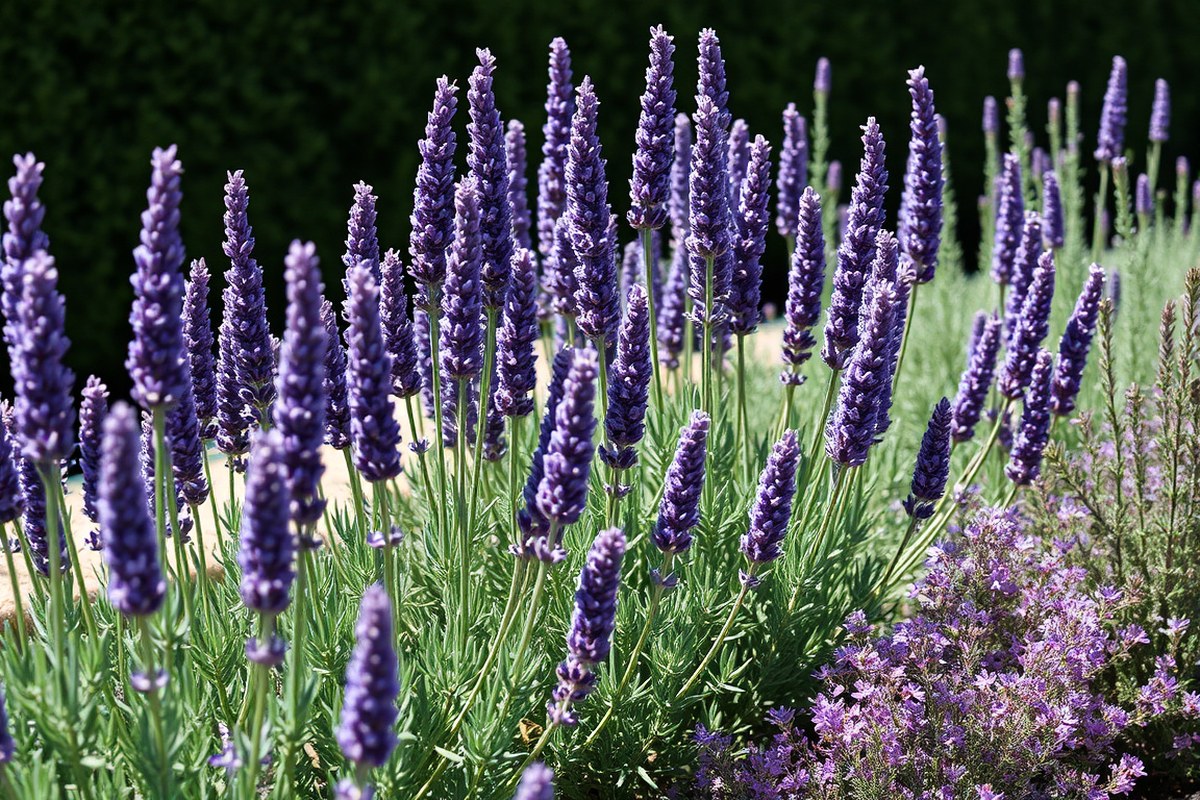
Plants that grow well with lavender share its love for full sun and well-drained soil. They usually need low water and a neutral to slightly alkaline soil pH. Picking plants that bloom when lavender flowers keeps color for months.
Choose ones that flower during or after lavender’s bloom time. That way, your border stays bright longer throughout the season.
Visual contrast matters too. Lavender’s purple flowers and gray-green leaves pair well with plants offering different textures and heights.
Taller plants behind lavender and lower spreading ones in front make the border look balanced. These companions also attract pollinators, which benefits the whole garden.
| Plant | Height (cm) | Bloom Time | Water Needs | USDA Zone |
|---|---|---|---|---|
| Lavandula angustifolia | 40, 60 | June, August | Low | 5, 9 |
| Salvia nemorosa | 50, 80 | May, July | Low | 4, 8 |
| Echinacea purpurea | 90, 120 | July, September | Low-Moderate | 3, 9 |
| Nepeta racemosa | 30, 60 | May, September | Low | 5, 9 |
| Perovskia atriplicifolia | 100, 150 | August, October | Low | 5, 9 |
| Sedum ‘Herbstfreude’ | 60, 90 | September, October | Very Low | 3, 9 |
Salvia nemorosa blooms just before lavender, adding early color from May to July. Nepeta racemosa has soft blue flowers and grows low to the ground. It fills empty spots with blooms from May up to September.
This helps keep your garden colorful over many months. Taller plants like Echinacea and Perovskia bloom late into fall.
They bring pink and purple colors that mix well with lavender’s blue. That adds nice variety and lengthens your garden’s bright look.
Choose plants with similar water needs to avoid overwatering lavender. Sedum ‘Herbstfreude’ thrives on very little water, great for hot spots. Spreading herbs like lamb’s ear provide a soft, fuzzy texture unlike lavender’s sharp leaves.
Rosemary works well if you want a woody shrub to pair with lavender. It likes similar sun and soil conditions as lavender does. This makes it a good match for your garden border.
Plants to Avoid Planting with Lavender
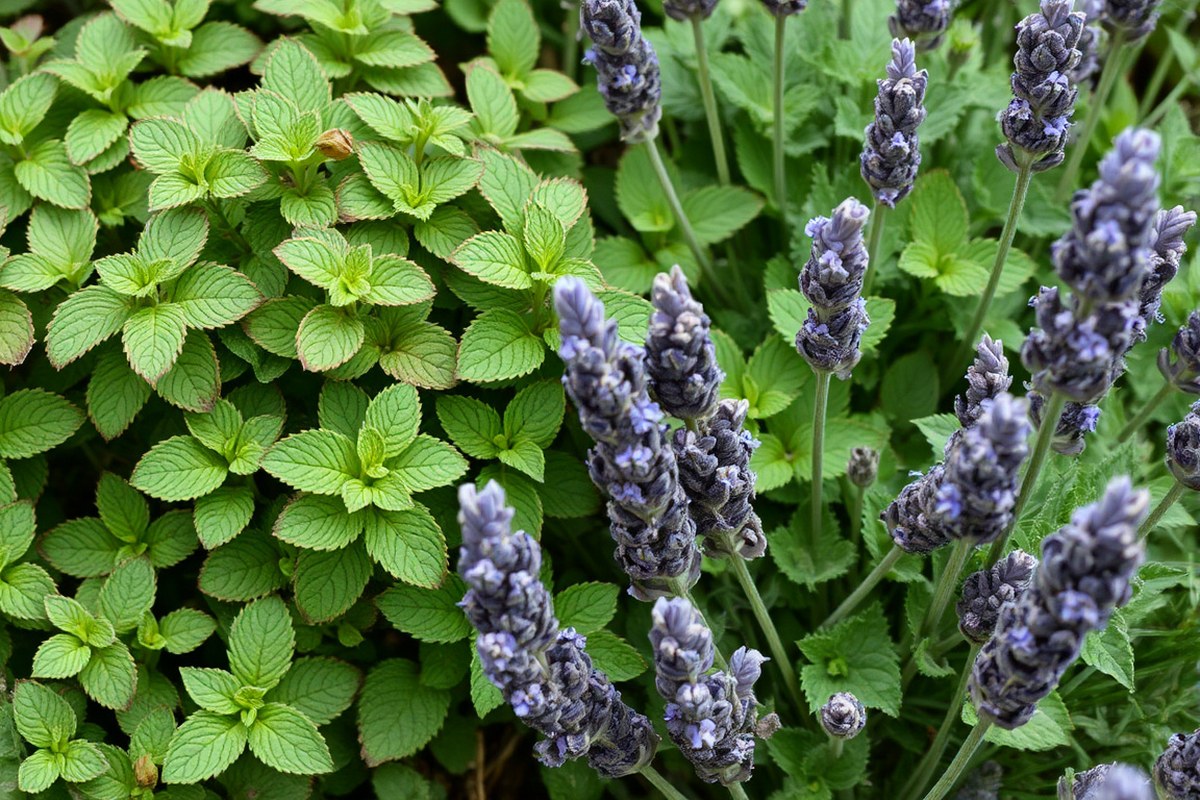
Lavender needs well-drained, lean soil and plenty of sun to thrive. Avoid plants that prefer moist or rich soil because they compete for water and nutrients. These conditions can cause lavender roots to rot or weaken over time.
Mint is a common plant you should keep away from lavender. It spreads aggressively and needs rich, moist soil, unlike lavender’s dry and gravelly preference. Mint’s fast growth overtakes lavender, leaving it stressed and slow to grow.
Other plants that demand too much water or shade also do poorly near lavender. Hydrangeas and impatiens like wet soil and shade, which creates unfavorable conditions for lavender’s health. Their presence raises humidity and soil moisture, inviting root diseases.
- Mint, aggressive spreader needing moist, rich soil
- Hydrangea, water-loving, creates wet soil conditions
- Basil, prefers shady, moist environments
- Hostas, thrive in shade and moist soil
- Impatiens, favor damp, shady spots
- Vegetables needing rich soil, compete for nutrients
Choosing plants with similar dry, sunny needs keeps lavender healthy. Avoid crowding lavender with thirsty or shade-tolerant plants. Keep lavender in well-drained areas, possibly with rocky or sandy soil.
Be careful not to overwater lavender by planting it next to water-loving species.
The wrong companions slow lavender growth and increase pest problems. They can cause fungal infections from trapped moisture. Stick to plants that survive dry conditions alongside lavender for best results.
How to Space and Arrange Lavender with Companion Plants
Space lavender plants 12 to 18 inches apart for the best health and growth. Arrange companion plants in groups of three or five to look natural and keep airflow easy. These steps help prevent diseases and create a pretty, balanced border.
Spacing Requirements for Lavender
Lavender needs room to spread its roots and leaves. Plant each lavender about 12 to 18 inches (30 to 45 cm) apart. The exact space depends on the size of your lavender variety.
Keep a small gap to help them grow well. Larger types like Grosso Lavender should get 18 inches. French Lavender can be closer at 12 inches.
Leave about 18 inches between lavender and companion plants to avoid crowding. This spacing reduces competition for water and nutrients. It also stops plants from shading each other too much, keeping lavender happy with full sun.
Grouping Companion Plants in Borders
Plant companions in odd-numbered groups such as threes or fives. Odd numbers create a more natural and appealing look than even rows. For example, group a trio of rosemary or a cluster of catmint near lavender.
Place taller plants behind lavender and shorter ones in front. Use drifts or clusters of the same plant rather than single spacing. This arrangement helps each plant shine and adds depth to your border.
Mix texture and color by pairing spiky lavender leaves with soft herbs. Try herbs like thyme or lamb’s ear for contrast.
This adds visual interest to your garden border. Grouping helps pollinators find blooms easier, increasing your border’s garden activity.
Maintaining Airflow and Preventing Disease
Good airflow prevents mildew and fungal spots on lavender leaves. Space plants far enough so air can move freely around leaves and stems. Avoid dense clusters directly against walls or fences that block breezes.
Keep your border tidy by removing dead stems and thinning overgrown plants yearly. This lets light reach lower shoots and stops mold from spreading. Better airflow also means fewer pest problems.
High humidity combined with poor air circulation can quickly damage lavender. Arranging plants as clusters with clear gaps between groups reduces this risk. You’ll see healthier leaves, stronger scents, and longer bloom periods.
Follow these steps to space and arrange your lavender border:
- Measure your planting area and mark spots 12 to 18 inches apart for lavender.
- Choose companion plants that suit your garden’s sun and water needs.
- Plant lavender in rows or clusters, spacing each one evenly.
- Add companion plants in odd-number groups (3 or 5) near lavender.
- Place taller plants behind lavender to create depth.
- Leave at least 18 inches between lavender and companion plants.
- Check airflow by ensuring no spot feels crowded or stagnant.
- Maintain the border yearly by cutting back and thinning overgrowth.
Watering, Soil, and Sunlight Needs for Lavender Borders
Lavender needs full sun with at least six hours daily for best growth. Choose companion plants that thrive under the same sun exposure. Herbs like rosemary, thyme, and sage all prefer full sun too.
Well-drained soil is key for lavender and its friends. Lean, gritty soil like sandy or rocky types works best. This kind of soil stops water from pooling and causing root rot.
Soil pH should be slightly alkaline, about 7.0 or higher. You can test your soil’s pH using an inexpensive kit from garden centers. If the soil is too acidic, adding lime can raise the pH efficiently over time.
Watering needs are low since lavender likes dry soil. Water the border only when the top inch of soil feels dry. Overwatering leads to soggy roots and weak plants.
Companion plants chosen for lavender borders must also handle drought well. Rosemary and yarrow are good examples that share low water requirements. These plants stay healthy with infrequent, deep watering sessions.
Try to keep the soil lean and avoid rich fertilizers. Fertile soil causes lush growth but weakens drought tolerance. This leads to disease risks and leggy plants in the long run.
For borders in cooler or heavier soils, improve drainage before planting. Mix in gravel or coarse sand to lighten soil texture. Raised beds can help keep soil well-drained and warm for early growth.
Monitoring sunlight, soil, and watering closely during the first season helps plants settle quickly. Signs of stress include yellowing leaves, soft stems, or slow growth. Adjust water amounts and check soil drainage if problems appear.
Seasonal Bloom and Height Considerations in Lavender Borders
Picking plants that bloom at different times keeps your lavender border lively. Coneflower blooms at the same time as lavender, giving the summer border long-lasting color. Sedum blooms after lavender fades.
Its flowers appear in late summer. They last into fall and keep your border lively.
Plant height also shapes the border’s look. Lavender stays about 1 to 3 feet tall. So you want companions that either sit below or stand taller.
Salvia can grow up to 6 feet, adding vertical structure behind lavender’s low mounds. Shorter plants, like thyme, fit nicely in front without hiding your lavender.
Try this sorting for easy layering by bloom time and size:
- Spring bloom, low height: Creeping thyme (up to 6 inches)
- Summer bloom, mid height: Coneflower (2 to 4 feet)
- Summer bloom, tall height: Salvia (up to 6 feet)
- Summer-fall bloom, mid height: Sedum (1 to 2 feet)
- Fall bloom, low height: Asters (1 to 3 feet)
This plan creates texture and color layers that play well with lavender. Place taller plants like salvia behind lavender to avoid crowding.
Put low growers such as thyme or low asters at the front edge. This prevents smothering and allows air to flow, cutting disease risks.
Space plants well to prevent shade, which harms lavender’s growth and bloom timing.
Choosing annuals that bloom before or after lavender suits gardeners who want seasonal changes. These bring fresh colors without adding permanent bulk. Annuals also let you test combinations before committing to permanent plants.
Watching for bloom overlap can keep the border eye-catching for months. Start with early bloomers, then add summer giants and finish with late bloomers. This rhythm creates a balanced display from spring to fall without gaps.
Herbs and Aromatic Plants That Grow Well with Lavender
Aromatic herbs such as rosemary, thyme, and oregano grow well with lavender. They like the same amount of sun. These plants also prefer similar soil types.
They add fragrance and attract pollinators, which helps the whole border. These herbs also bring useful culinary benefits to your garden.
Rosemary as a Companion
Rosemary grows best in full sun and dry, well-drained soil, just like lavender. It has a woody, evergreen structure that contrasts nicely with lavender’s softer, purple blooms. Plant rosemary about 2 feet apart from lavender to avoid crowding.
This herb’s strong scent attracts bees, which improves pollination across your border. Rosemary’s thick, needle-like leaves give your border a solid texture and a refreshing aroma. Make sure to avoid overwatering; rosemary dislikes wet roots and can suffer root rot.
Using Thyme for Groundcover
Thyme works well as a low-growing groundcover between lavender plants. Creeping thyme spreads quickly and fills gaps, helping suppress weeds and keep soil moist. This herb also enjoys dry soil and full sun, matching lavender’s needs perfectly.
Harvest thyme leaves for cooking right from your border. Keep an eye on moisture levels, though. Thyme tolerates drought but might struggle if the soil stays soggy after heavy rains.
Oregano and Other Useful Herbs
Oregano has similar water and sun requirements as lavender, thriving in dry, sunny spots. It grows bushy, adding a different leaf shape and green shade to the border. Plant oregano about 1 to 2 feet from lavender for good airflow.
Besides oregano, sage is another herb that pairs well in a lavender border. Sage’s coarse texture and strong scent add interest and help repel pests.
Like the others, sage doesn’t like wet feet. So your soil must drain well to keep it healthy.
Drought-Tolerant Plants Perfect for Lavender Borders
Lavender likes dry, well-draining soil and needs little water. Plant companions that need little water suit your garden well.
They help keep it healthy and easy to care for. Avoid plants needing regular watering, or you risk root rot on your lavender.
Choosing drought-tolerant plants means you can water less often and save time. Give plants 12 to 18 inches (30 to 45 cm) apart.
This space helps roots grow and air to flow. This spacing stops moisture buildup that invites disease.
- Russian sage: thrives in dry soil and offers blue flowers
- Yarrow: has feathery leaves and blooms without extra water
- Sedum: succulent leaves store water for dry periods
- Thyme: a low-growing herb that shares lavender’s needs
- Catmint: tolerates drought and attracts pollinators
- Gaillardia: bright flowers needing little moisture
- Echinacea: tough, drought-smart with striking blooms
Use mulch to keep soil moisture steady, but avoid thick layers near lavender stems. Water deeply but infrequently to encourage strong roots.
Check soil moisture by sticking a finger about 2 inches in. Dry soil means you need to water your plants.
Plant drought-tolerant companions in full sun like lavender to match growing conditions. This helps all plants thrive together without extra care.
Choose plants that handle cool weather soon. Protect young plants until they grow strong.
Maintaining a Healthy Lavender Border with Companion Plants
Keeping lavender and its companion plants healthy means regular pruning, correct watering, and watching for problems. You can avoid disease and encourage strong blooms by following specific care steps. This also helps your border look neat and thrive over time.
Pruning Lavender and Companions
Trim lavender plants yearly to keep them full and flowering well. Cut back about one-third of the growth in early spring, just as new shoots appear. This stops woody stems from taking over and helps keep a compact shape.
Companion plants like rosemary and yarrow also benefit from regular pruning. Pinch back rosemary’s new shoots in spring to encourage bushy growth. For yarrow, cut stems back after flowering to avoid legginess and promote another bloom.
Pruning too late or cutting into old wood on lavender can cause dead or sparse growth. Use clean, sharp shears to reduce stress and prevent disease from entering open cuts.
Watering and Fertilizing Practices
Water lavender sparingly, about once every one to two weeks during dry spells. Overwatering can cause root rot and fungal diseases. Check soil moisture first; lavender prefers dry soil.
Companion plants may need a similar but slightly higher watering routine. For example, rosemary likes moderate water, while yarrow handles drought well. Water deeply but less often to encourage strong roots.
Fertilize lavender lightly in early spring with a low-nitrogen fertilizer or compost. Too much fertilizer causes weak stems and fewer flowers. Companions usually do well with the same low feeding schedule.
- Water lavender 1-2 times per week during dry weather
- Prune lavender and companions early in spring
- Apply low-nitrogen fertilizer or compost in spring
- Use clean, sharp pruners to prevent disease
- Keeps plants spaced about 3 feet apart for airflow
- Remove dead leaves or flowers to avoid mold
Staying on top of these tasks helps keep your border disease-free and blooming.
Troubleshooting Common Border Issues
Poor air circulation is a common cause of mold and mildew. Lavender plants should be spaced about 3 feet apart to allow air to flow freely. Crowded plants suffer from wet foliage problems that lead to fungal infections.
Yellowing leaves may signal overwatering or poor drainage. Adjust watering and check that soil does not stay soggy. Adding grit or sand improves drainage in heavy clay soils.
Pruning too late can cause sparse or woody lavender growth. Cut in early spring before new shoots get tall. Removing dead plant parts quickly also reduces pests and disease risks.
Do not water lavender leaves directly; wet foliage invites disease.
Step-by-Step Action Plan for Planting Lavender Borders
Follow these steps to set up a healthy and attractive lavender border with suitable companions. Each phase ensures your plants get off to a good start.
- Before You Plant: Test soil drainage by digging a hole and filling it with water. It should drain within an hour. Improve drainage by adding sand or gravel to your soil.
- Day 1: Place plants at least 12 to 18 inches apart. Keep lavender separate from companion plants. Check that taller plants go in back or center for balance.
- Week 1: After planting, water the border deeply but only once, letting soil dry between soakings. Watch plants for signs of overwatering like droopy leaves.
- Weeks 2-4: Add mulch with gravel or sand around plants. This keeps soil dry. It also stops weeds from growing. Avoid organic mulch that holds moisture near lavender roots.
- Month 2: Lightly prune lavender after the first bloom. This keeps plants compact. It also helps more flowers grow. Check companion plants for any crowding or shade issues.
- Month 3+: Monitor for water needs during dry spells. Most companions and lavender thrive with deep watering every 1-2 weeks in summer.
- Ongoing: Remove any plants that show disease or fail to thrive. Replace with other drought-tolerant, sun-loving herbs or perennials that suit your soil.
Frequently Asked Questions
Can Planting Lavender with Rosemary Improve the Border’s Scent and Look?
Yes, rosemary planted 2-4 feet from lavender adds a nice aroma. It also shares similar water and sun needs, keeping care simple for your border.
Is Lamb’s Ear a Good Choice to Plant Near Lavender in Borders?
Lamb’s ear works great next to lavender because of its soft leaves. It thrives in similar conditions, making your border both attractive and easy to care for.
Can You Plant Yarrow with Lavender for a Drought-Tolerant Border?
Yes, yarrow is drought-tolerant and pairs well with lavender. Both love well-drained soil. So they fit nicely in waterwise garden strips or mixed borders.
What Spacing Should I Use When Planting Lavender in a Border?
Plant lavender 12 to 18 inches apart for good airflow. This helps prevent disease and gives each plant enough room to grow fully.
Are Soft-Textured Plants Good Companions for Lavender in Garden Borders?
Yes, plants like lamb’s ear with fuzzy leaves balance lavender’s spiky flowers. This contrast adds texture and interest to your garden border.
Can Lavender Borders Include Evergreen Herbs for Year-Round Interest?
Plant rosemary with lavender for evergreen structure in your border. It keeps the space lively throughout the year, even when lavender isn’t blooming.
Before You Go
Lavender borders shine when paired with the right companions and proper care. Start by choosing drought-tolerant plants that share similar light and soil needs. Plant today focusing on spacing and drainage to watch your border thrive and bloom beautifully.


