How Do Worms Mate: A Complete Guide with Clear Steps and Timelines
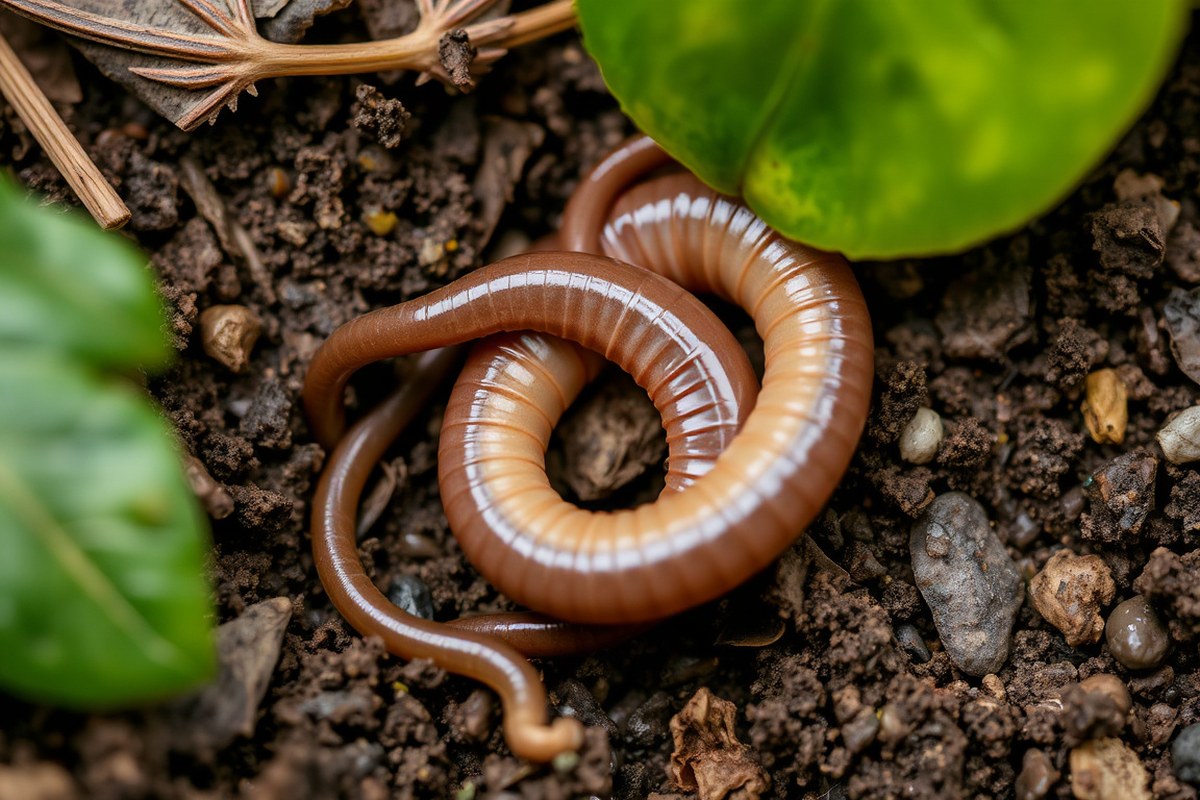
How do worms mate? Worms reproduce by lining up head-to-tail and exchanging sperm. This happens during a brief, gentle embrace where both worms fertilize each other.
After mating, each worm produces a cocoon containing fertilized eggs. These cocoons are small, lemon-shaped, and firm to the touch.
The process requires worms to be mature and meet in moist, dark places. Temperature and moisture affect how quickly cocoons hatch into baby worms. Ideal conditions usually include temperatures between 55°F and 77°F with plenty of humidity.
Worms showing a white band near their head are ready to mate. Red wigglers can double their numbers every 60 to 90 days in good conditions. Understanding these details helps you manage worm beds for more effective breeding.
Key Takeaways
- Worms exchange sperm by aligning head to tail during mating.
- Each worm makes a cocoon with fertilized eggs after mating.
- Worms need moisture, darkness, and temperatures between 59°F and 77°F to mate well.
- A white band near a worm’s head signals sexual maturity.
- Red wigglers can double in number every two to three months.
- Cocoons take 3 weeks to 5 months to hatch, depending on conditions.
How Do Worms Mate? The Reproductive Process Explained
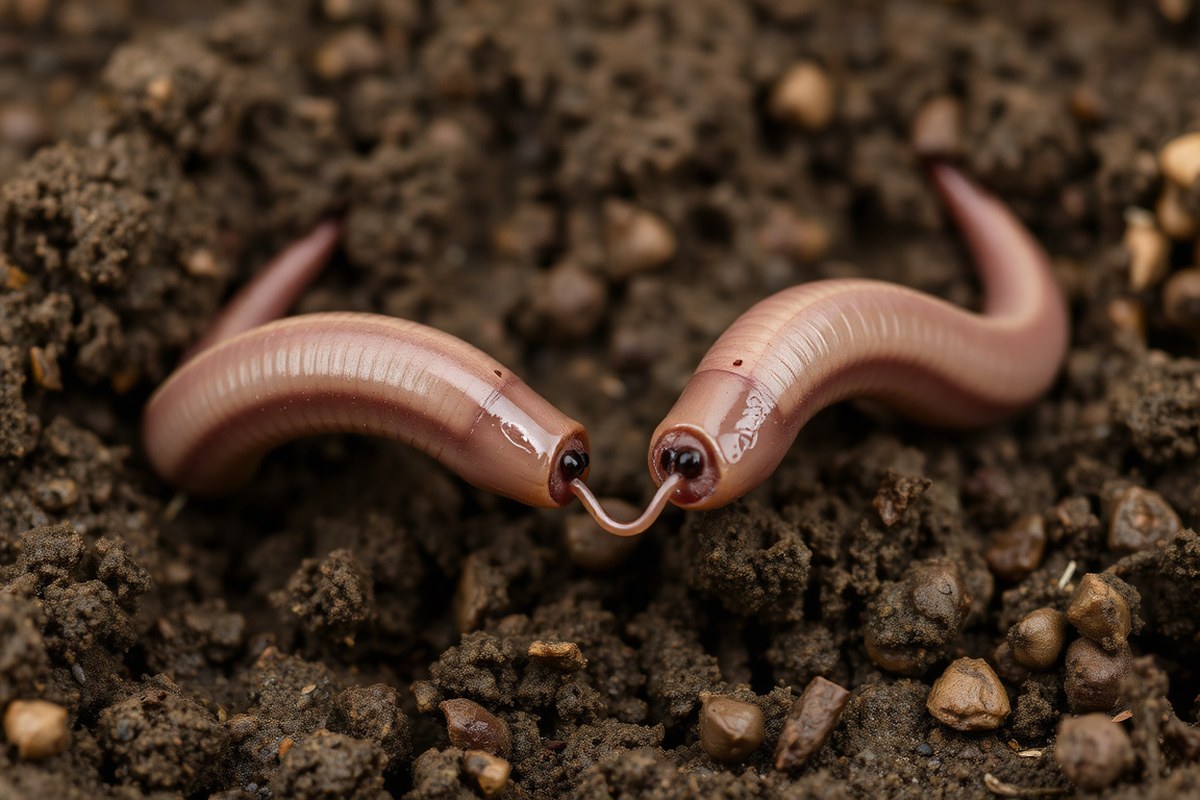
Worms are hermaphrodites, meaning each has both male and female reproductive organs. They still need a partner to reproduce because they exchange sperm with each other. This sperm exchange is essential to fertilise the eggs and produce healthy offspring.
When two worms mate, they line up head to tail and overlap ventrally. Their clitella, the thicker bands around their bodies, secrete mucus to keep them attached. This close contact helps them swap sperm through openings aligned along their bodies.
They store the received sperm in sacs called spermathecae. Later, the sperm fertilises the eggs internally while the worm forms protective cocoons. This reproductive process takes patience and stable conditions, helping to maintain the worm population.
- Find a partner and align ventrally head to tail, with clitella touching.
- Secrete mucus from the clitellum to hold both worms together.
- Exchange sperm through openings near the worms’ opposite ends.
- Store received sperm inside spermathecae for later use.
- Separate after sperm transfer is complete, usually within an hour or so.
- Form cocoons using secretions from the clitellum, where eggs get fertilised.
- Lay the cocoons in soil or compost, protecting developing embryos.
Key Worm Reproductive Organs and Their Functions
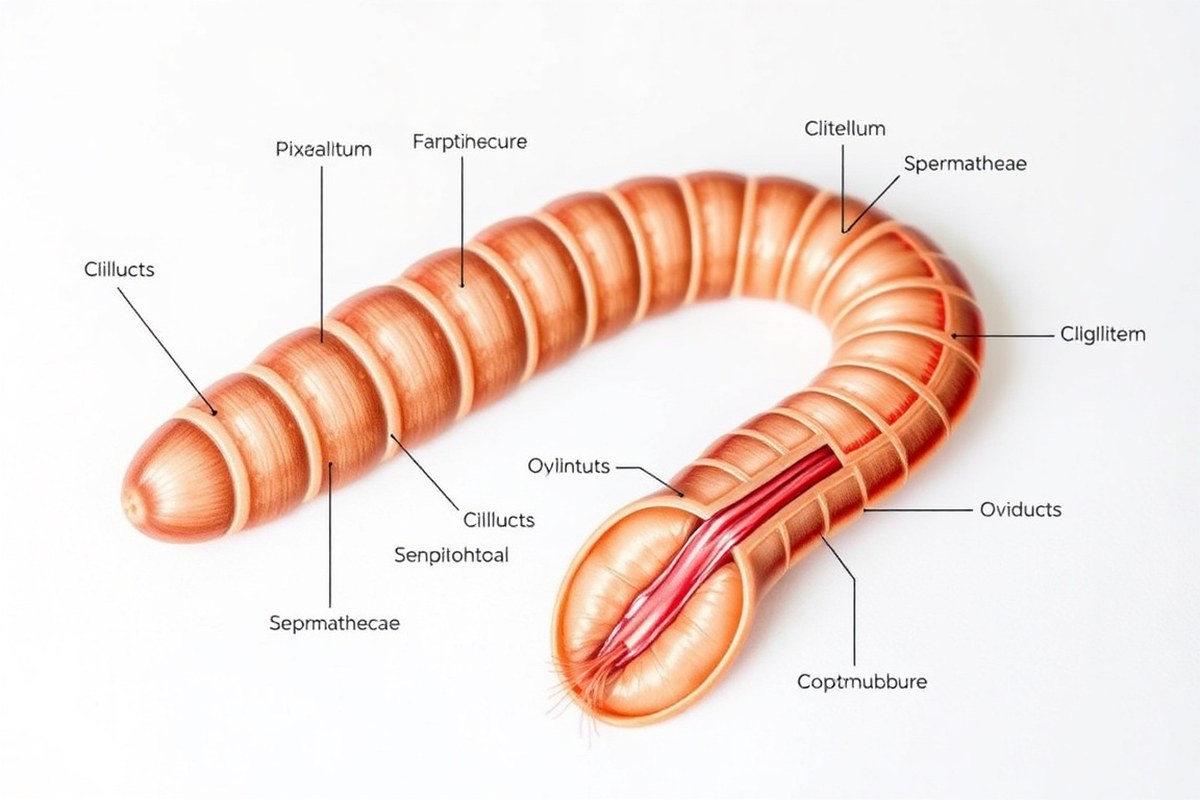
Earthworms have both male and female reproductive organs, meaning they are hermaphrodites. Each worm has testes, ovaries, and specialized sperm storage sacs called spermathecae. These organs work together to allow the worm to mate and later fertilize its eggs.
The clitellum is a thick, saddle-like band near the worm’s head. This glandular structure secretes mucus during mating to help the worms stick together. After mating, it produces a slimy cocoon where fertilization and embryo development occur.
Sperm from one worm is exchanged and stored in the other worm’s spermathecae. These are fluid-filled sacs located in segments close to the head. The worm stores sperm for later use.
It fertilizes its eggs with this sperm. Fertilization happens as eggs pass through the clitellum.
The ovaries are found in segments near the front, releasing eggs into oviducts. The eggs move toward the clitellum’s mucus ring, where fertilization happens outside the worm’s body. This external fertilization inside the cocoon protects the eggs until they hatch.
Handle your worms gently during mating to avoid damaging their delicate clitellum.
Step-by-Step Formation and Role of Worm Cocoons
Once mating ends, worms form a protective cocoon to hold fertilized eggs. This cocoon develops from a mucous ring that the worm’s clitellum secretes. Inside, eggs and sperm combine, and embryos grow until baby worms hatch.
Mucous Ring Secretion and Cocoon Creation
The clitellum is a thick band located between segments 32 and 37 on a worm’s body. After mating, it starts producing a sticky mucous ring around the worm. This ring contains a protein-rich fluid called albumin, which nourishes the eggs and embryos.
As the worm moves, the mucous ring slips off its head and begins to harden. This thickened, lemon-shaped structure becomes the cocoon. The cocoon forms outside the worm, serving as a safe capsule for fertilized eggs.
Egg and Sperm Deposition Inside Cocoon
Fertilization happens inside the cocoon after the worm releases eggs and sperm from its oviducts. Each worm deposits these reproductive cells into the mucous ring sequentially. Once the worm fully emerges, the cocoon seals with elastic ends to trap the cells inside.
Most cocoons hold 1 to 6 fertilized eggs depending on the species and conditions. Red wiggler cocoons often contain 2 to 15 embryos.
Common earthworm cocoons usually have fewer. This limited number controls the offspring size for each reproductive cycle.
Protection and Incubation of Developing Worms
The cocoon functions like an incubator, keeping embryos safe from drying out and from predators. It provides moisture and stable conditions essential for growth.
Inside, embryos mature over 21 to 28 days. But the timeline varies with temperature and soil moisture.
Cocoons can hatch faster in warmer (15°C to 25°C) or wetter soil. Some species’ cocoons wait through drought or cold seasons before releasing baby worms. Each hatchling emerges fully formed but tiny and ready to live independently.
- Produce a mucous ring from the clitellum shortly after mating ends.
- Secrete albumin protein into the mucous ring to nourish embryos.
- Release eggs and sperm into the mucous ring where fertilization occurs.
- Slide the mucous ring off your head, forming a soft cocoon.
- Allow the cocoon to harden and seal its elastic ends.
- Develop embryos inside the cocoon for around 3 to 4 weeks.
- Hatch baby worms from the cocoon once development completes.
Worm Species Differences in Mating and Reproduction
Different earthworm species show clear variety in their reproductive habits. Most need a mate to reproduce, but some can reproduce alone. Species also differ in cocoon size, egg count, and how fast their young grow.
For example, common composting worms like Eisenia fetida mate by aligning their bodies head to tail. They exchange sperm mutually. Other earthworms, like some Lumbricidae species, tend to be slower breeders.
They typically have fewer eggs per cocoon, generally one. Eisenia fetida may have more.
Speed of reproduction matters for gardeners and vermiculture enthusiasts. Faster reproduction means quicker population growth and more worms to compost waste. Yet, environmental conditions like moist soil and temperature always influence reproduction success.
| Species | Mating Behavior | Eggs per Cocoon | Cocoon Size | Reproduction Speed |
|---|---|---|---|---|
| Eisenia fetida (Red Wiggler) | Mutual sperm exchange, copulate head-to-tail | 5-20 eggs | Small, around 3-5 mm | Hatches in 2-3 weeks, grows to adult in ~8 weeks |
| Lumbricus terrestris (Nightcrawler) | Slower mating, same species pairing | 1 egg per cocoon | Medium, around 5-8 mm | Hatches in 3-4 weeks, matures over several months |
| Allolobophora caliginosa | Cross-fertilization only | 1-3 eggs | Small to medium | Slower development, weeks to months |
Species that reproduce without a mate are rare but exist. Sexual reproduction remains the norm for most worms. Cocoons protect eggs differently by species, influencing survival rates.
Choosing worms for composting or gardening means considering their reproductive traits. Red wigglers are popular for quick population growth. Nightcrawlers reproduce more slowly and are better for soil aeration but less for fast breeding.
Environmental Factors Affecting Worm Mating and Cocoon Hatching
Temperature has a strong effect on worm mating and cocoon hatching. Worms like red wigglers do best between 55°F and 77°F. Outside this range, reproduction slows.
Below 50°F, mating stops, and above 85°F, cocoons may fail to hatch. Keeping your worm bin within this temperature helps maintain steady population growth.
Moisture is key for worm survival and reproduction. Worms need bedding that’s damp but not soaked. Around 70% moisture content works well.
Too dry, and worms won’t mate or lay many cocoons. Too wet, and cocoons can rot or drown. Moist bedding also ensures oxygen passes through cocoon walls, helping embryos develop healthily.
Light exposure influences worm behavior and breeding. Earthworms avoid light, so keep them in shady, dark spaces. Bright light can stress worms, reducing mating activity.
Bedding quality matters too. Good bedding has loose, organic material like shredded newspaper or coconut coir. It holds the right moisture and air, making worms comfortable enough to reproduce often.
- Keep temperatures steady between 55°F and 77°F.
- Maintain bedding moisture near 70% without making it soggy.
- Use loose, organic bedding materials for better aeration.
- Store the worm bin away from direct sunlight.
- Monitor bedding pH toward neutral (6.5 to 7.0) if possible.
- Feed worms regularly with fresh organic scraps.
The cocoon protects eggs from changing moisture and temperature. When these conditions swing wildly, cocoons can dry out or get moldy. This can kill embryos inside.
Consistently moist, stable bedding is essential to increase the chance young worms hatch successfully. Avoid letting food build up and rot.
This attracts pests. It also causes harmful gases that stop mating.
Keep the worm bin in a cool, shaded spot and check moisture every few days.
Timeline from Worm Mating to Adult Maturation
Worm mating ends with cocoon formation, starting a timeline that leads to adult worms. The cocoon holds 4 to 6 eggs, which incubate between 3 to 4 weeks. The whole cycle from egg to adult takes about 50 to 75 days.
Temperature and food affect how long it takes. These conditions can speed up or slow down growth.
Egg to Hatchling Duration
The eggs develop inside the worm cocoon for roughly 3 to 4 weeks. This period depends on how warm and moist the soil is. Cooler or dry conditions can slow incubations, making it last longer.
Once eggs hatch, the baby worms are tiny and translucent white. They measure about half an inch long and look quite fragile during this stage. Hatchlings soon start moving through the soil, feeding lightly.
Hatchling to Juvenile Growth
New hatchlings grow quickly, reaching the juvenile stage in a few weeks. They start gaining color and size as they feed on organic material. At this point, they are still smaller than adult worms but active and developing.
Growth can speed up if the worms get plenty of food and moisture. In ideal compost bins, juveniles may double their length within a month. Poor conditions, however, slow growth and delay maturity.
Time to Adult Sexual Maturity
Most compost worms reach adult size and sexual maturity in 50 to 75 days. Once mature, they can mate and lay cocoons, continuing the cycle. Maturation speed varies with species, temperature, and food availability.
After reaching adulthood, worms can mate again soon, often within days. Regular mating keeps a worm population healthy and growing. Keeping a stable environment helps worms reproduce efficiently.
How Worms Find Mates: Behavior and Chemical Signals
Worms find mates mostly by sensing chemical signals they release. They use pheromones to attract and recognize each other in the dark soil. Mating usually happens underground where they face risks from predators and harsh conditions.
Pheromone Release and Detection
Worms release pheromones to signal that they are ready to mate. These chemicals travel through the soil, alerting nearby worms. Both worms detect and respond to these signals using their skin and body sensors.
This pheromone exchange helps worms find partners without seeing each other. It also ensures they can locate mates in dark, crowded soil. Pheromones are important because worms cannot rely on vision or sound for communication.
The process is similar to how worms find food, using chemicals to detect nearby organisms. This method reduces the energy worms spend searching for mates. It also lowers the chance of encounters with non-mates.
Typical Mating Locations
Most worm mating occurs underground in dark, moist soil. Worms prefer soils with temperatures from about 59°F to 77°F (15°C to 25°C). This environment protects them from drying out and predators during this vulnerable time.
Worms choose soil layers that stay damp enough to keep their skin moist. Sometimes mating happens near the surface after rain when conditions are ideal. Staying underground helps them avoid risks present above ground.
Because soil varies, mating sites also differ between gardens, forests, or farms. Worms tend to avoid dry, compacted, or very sandy soils where survival is tougher. Moisture and temperature influence where worms gather to find mates.
Risks During Mating
While mating, worms are exposed to predators like birds, small mammals, and insects. They must balance finding mates with avoiding these dangers. Underground locations help reduce predator attacks but don’t eliminate threats.
Environmental stress also poses risks during mating. Temperatures above or below the preferred range slow down mating activity. Worms stop reproducing when soil gets too dry or cold to survive.
Worms move slowly during mating. They line up in opposite directions. This makes it hard for them to escape fast.
This makes them vulnerable during the process. Choosing safe, moist locations helps worms complete mating without harm.
Common Myths and Mistakes About Worm Mating and Breeding
One common myth claims that cutting a worm in half causes it to grow two worms. This is false. Only the front part of some worms can survive and regenerate a tail.
The back half usually dies. Cutting worms harms your population and stops the breeding cycle.
Some people believe worms reproduce without partners through parthenogenesis. A few species such as Bdelloid rotifers reproduce this way. Some nematodes also do this.
Most earthworms, however, need sexual mating. Worms are hermaphrodites, so each has both male and female organs. They still need to exchange sperm with another worm to reproduce.
Knowing if a worm is ready to mate helps your breeding efforts succeed. Mature earthworms develop a thick, smooth band called a clitellum near their head. This band looks lighter in color and feels slightly firmer.
Worms without a visible clitellum are immature and unlikely to mate. Proper feeding and moist soil encourage healthy clitellum growth.
- Do not cut worms; it does not make new worms.
- Most worms need a mate; only some reproduce asexually.
- Look for a firm, smooth clitellum to spot maturity.
- Keep your worm bed moist and well-fed for breeding.
- Separate young worms until they develop a clitellum.
Worm mating depends on mature worms coming together. Worms ready to reproduce share sperm through the clitellum during mating.
Afterward, they form cocoons that hatch baby worms. Keeping conditions right and avoiding myths helps keep your worm population growing.
Never cut a worm to try making more, or you risk killing your valuable breeders.
Your First Steps: How to Watch Worms Mate and Breed
Follow these steps to safely observe and support worm mating and reproduction at home.
- Day 1: Set up a damp, dark container filled with loose soil or compost. Check if worms feel comfortable and start exploring.
- Week 1: Introduce at least two mature worms close together in the container. Watch for them lining up head to tail, a sign mating may begin.
- Week 2: Keep soil moist and at about 60 to 75°F. Moisture helps worms exchange sperm and form cocoons properly.
- After 2 weeks: Look for small, lemon-shaped cocoons in the soil. These are the worm eggs; spotting them means mating was successful.
- Weeks 3-4: Maintain steady conditions: no direct sunlight, gentle watering only. Watch for tiny worm hatchlings around day 21.
- By Week 6: Note immature worms growing in size. Good growth means your environment supports healthy development.
- Ongoing: Avoid disturbing the soil deeply. This helps keep cocoons safe and worms comfortable to mate again.
Frequently Asked Questions
How Long Do Worms Live After Mating?
Worms can live several years after mating, depending on species. Red wigglers often live 4-5 years under good conditions, giving many reproduction cycles.
Can Worms Reproduce Without Another Worm?
No, most worms need to mate with another worm to reproduce. Even hermaphrodites require cross-fertilization to produce viable offspring.
Do Worms Eat Their Own Cocoons?
Worms do not eat their cocoons; they protect developing babies inside. Cocoons stay buried until baby worms hatch in a few weeks.
How Deep Do Worms Go to Mate?
Worms typically mate close to the soil surface but mostly underground. This depth protects them from predators during their vulnerable mating time.
Can Worms Mate Any Time of Year?
Worm mating depends on temperature and moisture, mostly in spring and fall. Cold or dry conditions slow down or stop reproductive activity.
Do Worms Share Nutrients During Mating?
Worms exchange sperm but do not share nutrients during mating. Their bodies simply trade genetic material, keeping their nutrition separate.
Before You Go
Worms mate by lining up and exchanging sperm, then producing cocoons. You can support this by keeping their soil moist and dark. Try observing them this week to see these stages firsthand.